
How a Shelf Corporation Can Support a Path Toward Up to $700,000 in Funding

Verified Proof
Recent Client Results
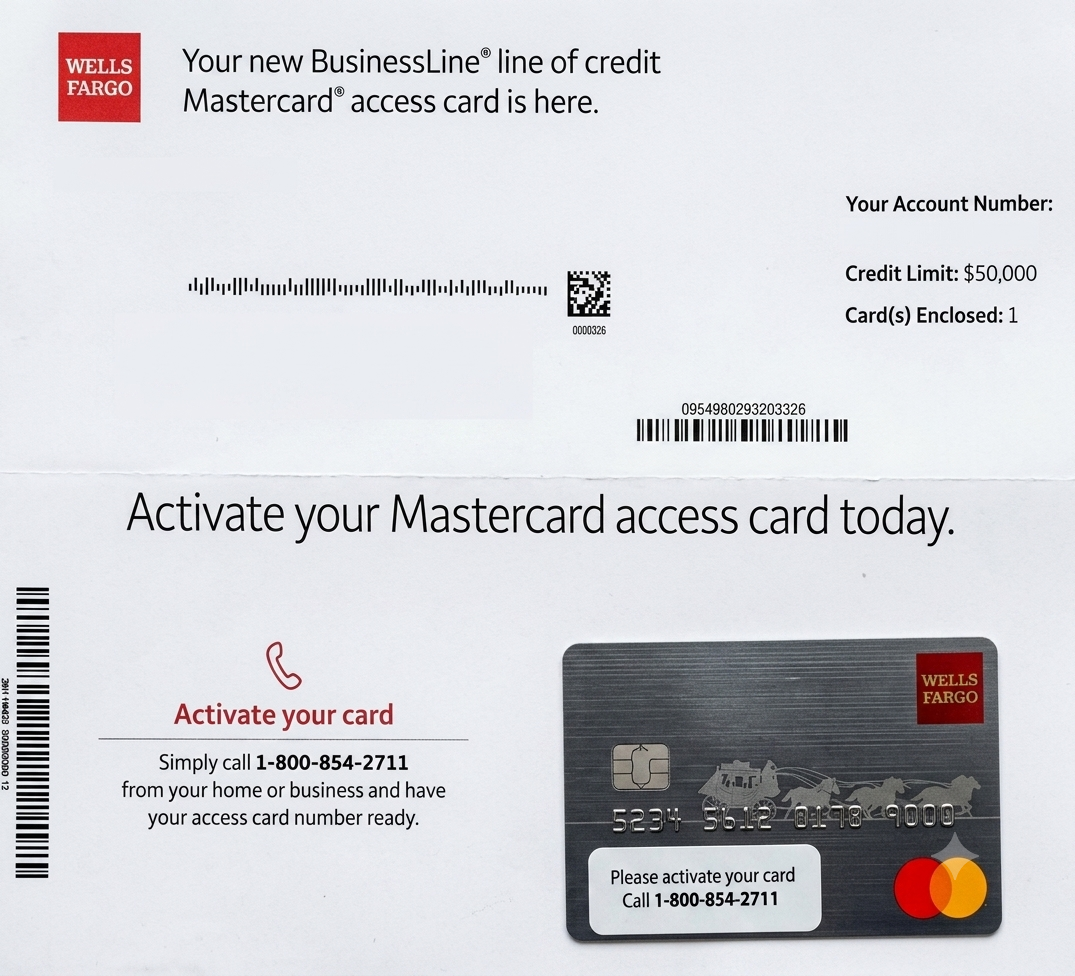
$50,000
Business Line of Credit
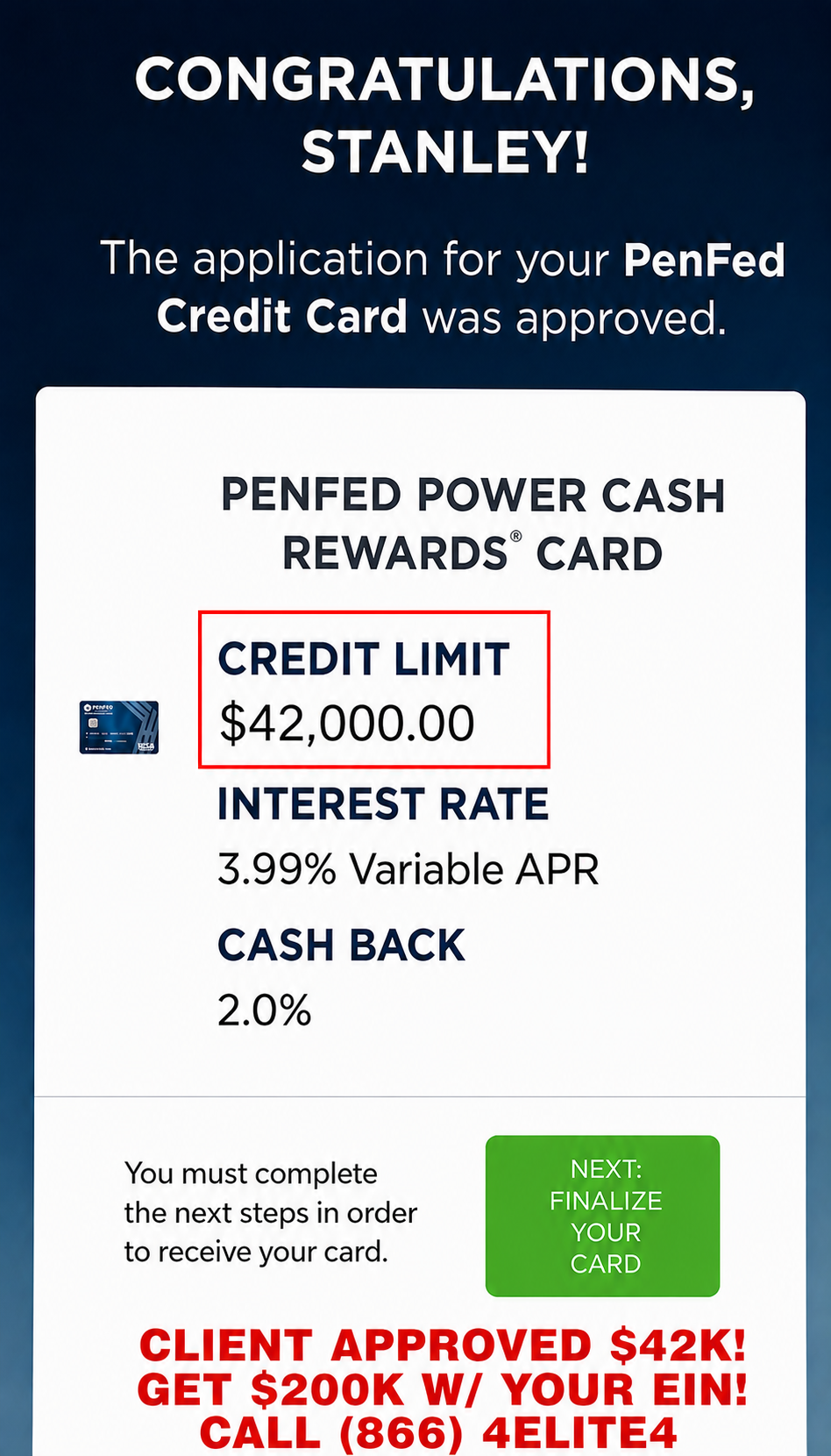
$42,000
PenFed Business Card

$50,000
Wells Fargo Business Card
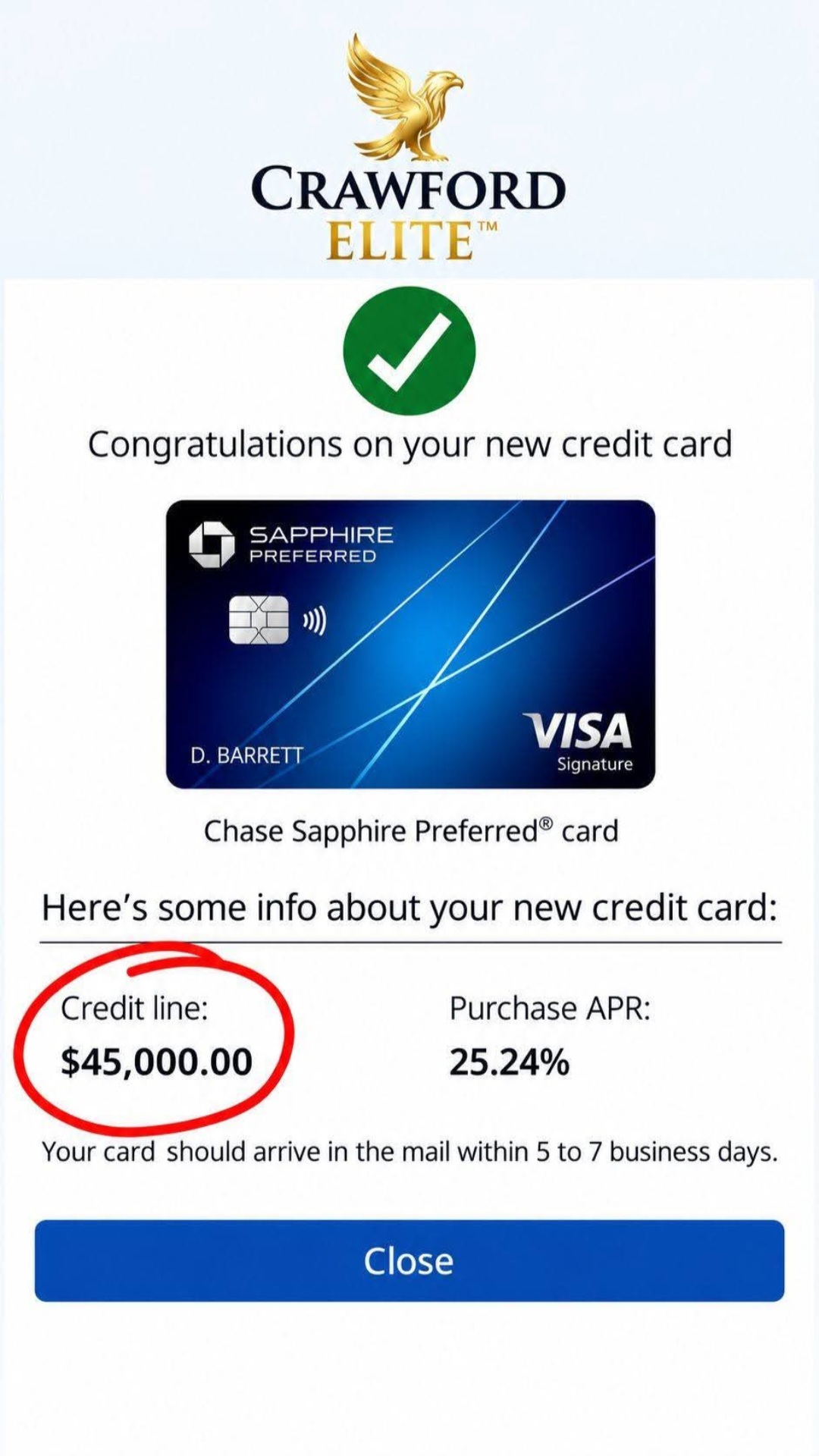
$45,000
Chase Sapphire Preferred

$100,000
American Express Business
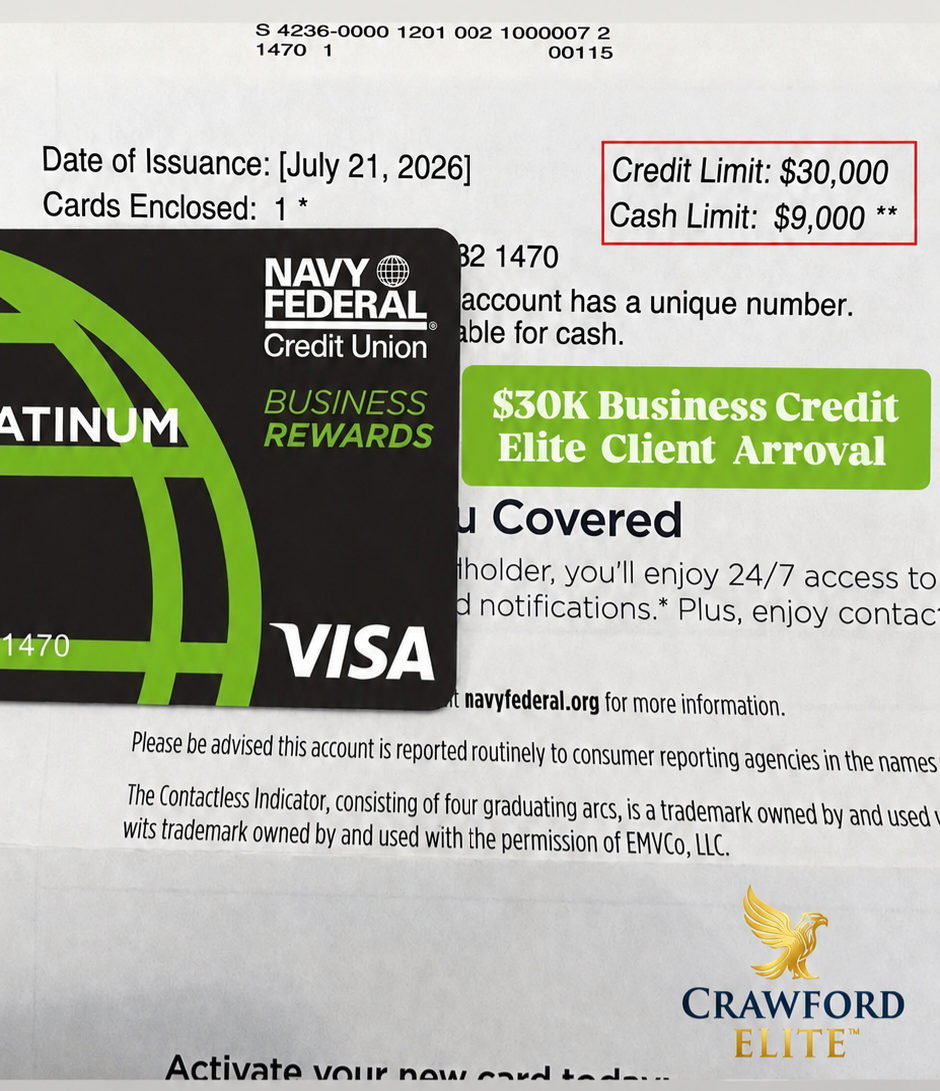
$30,000
Navy Federal Business Platinum
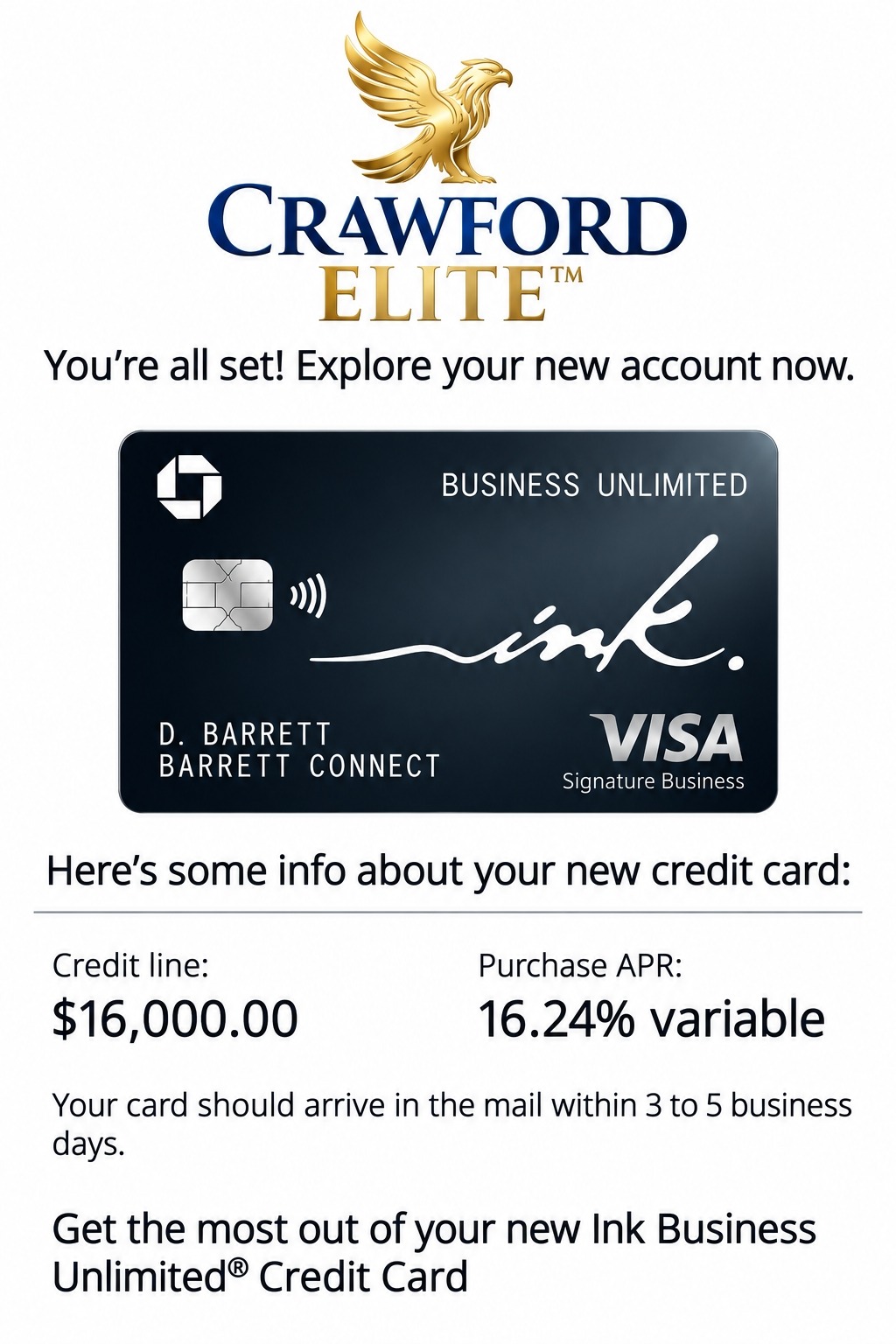
$16,000
Chase Ink Business Unlimited
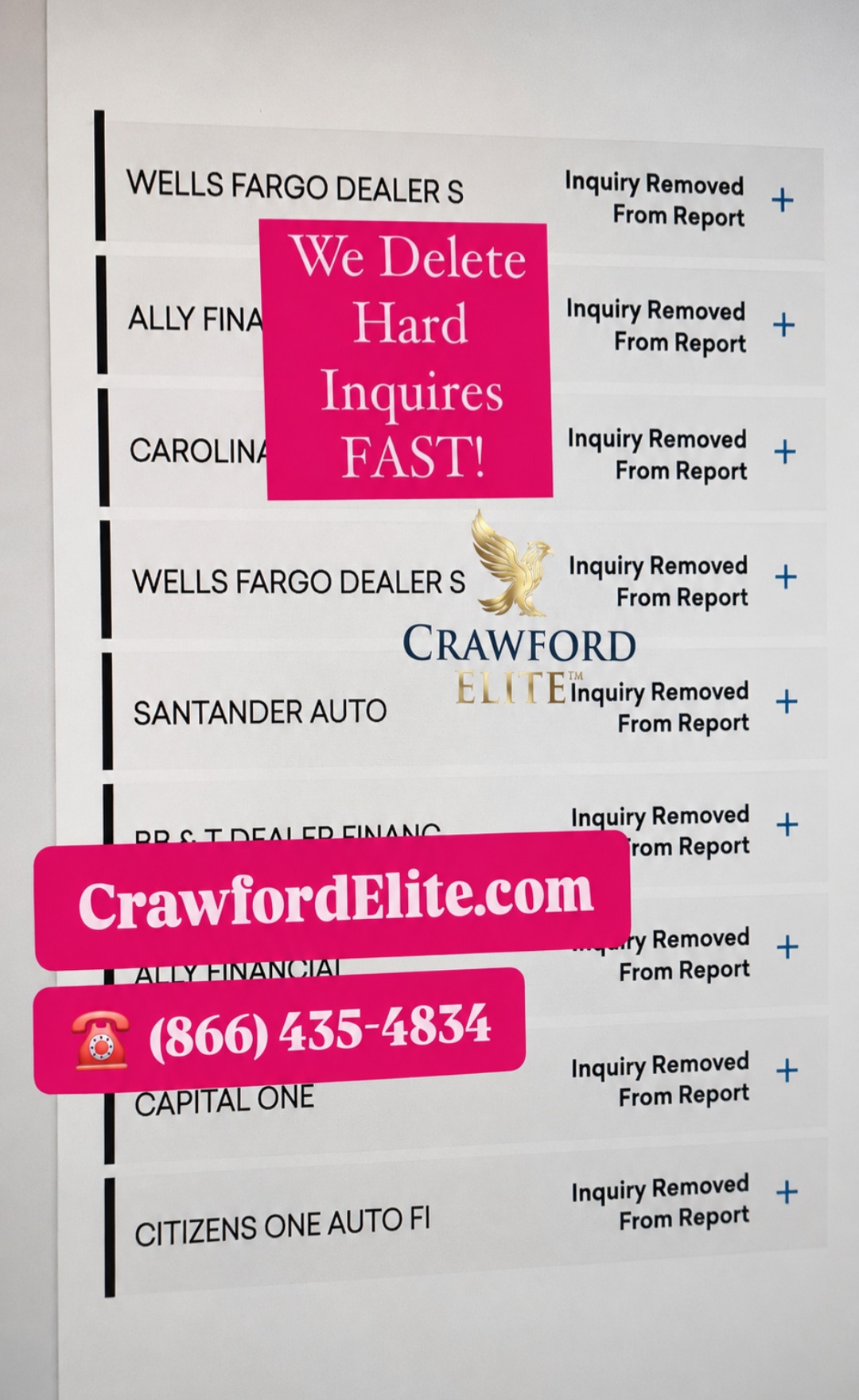
Hard Inquiries Deleted
9 Hard Inquiries Removed
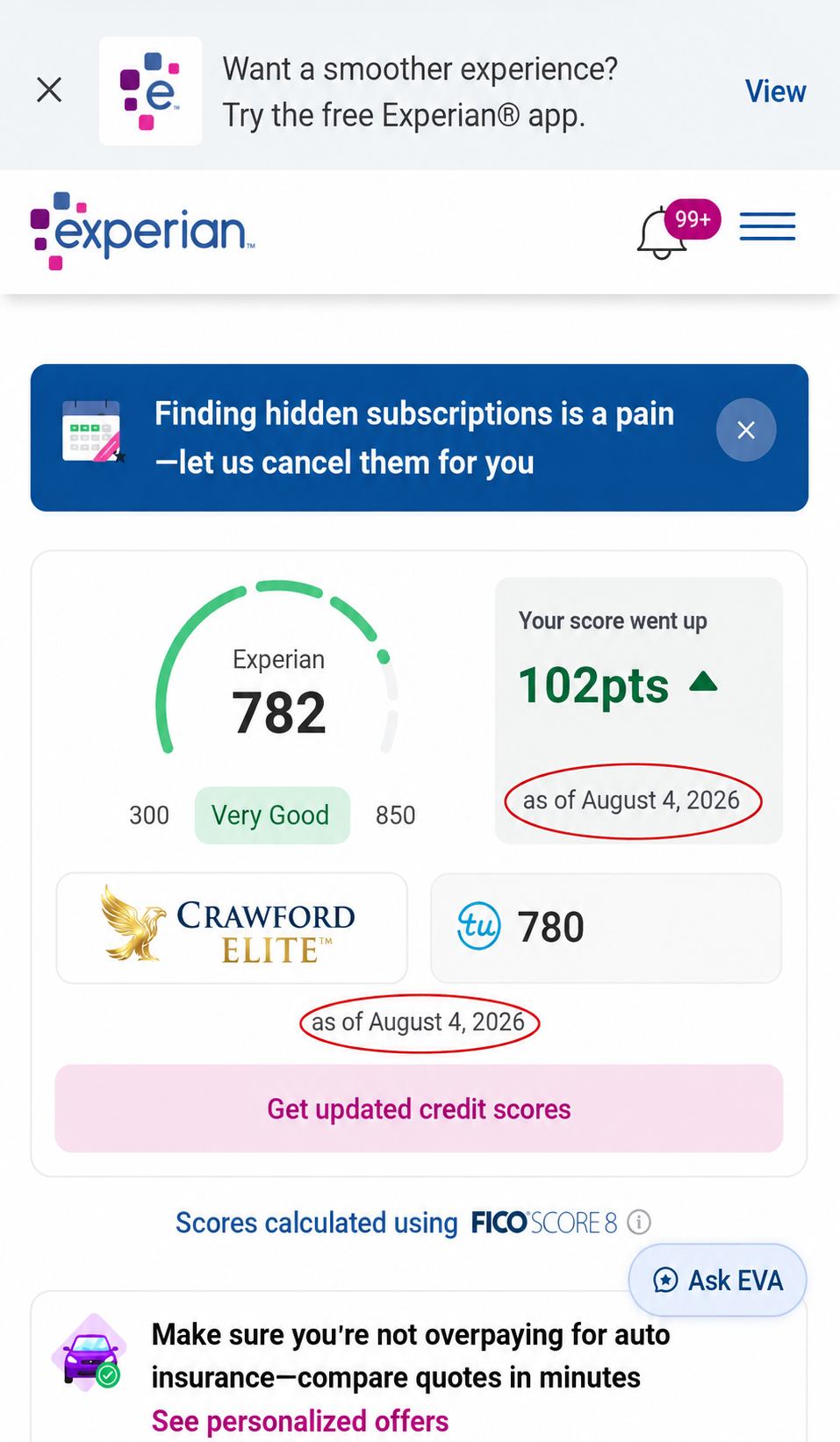
+160 Points
Credit Score Boost Increase
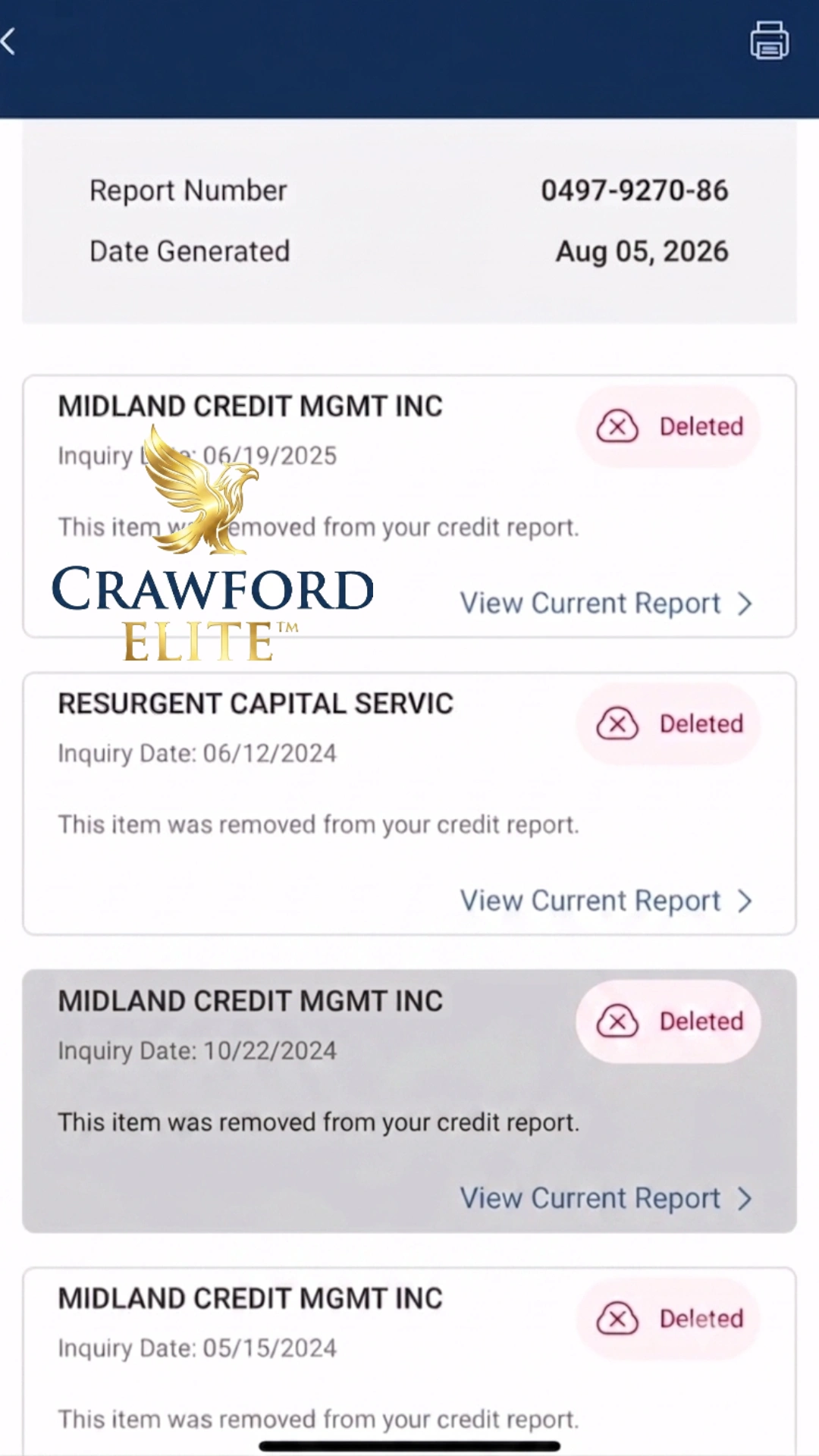
Aggressive Credit Repai
4 Collections Deleted Quickly
A realistic, step-by-step look at how a properly built aged corporation may support an aggregate funding strategy of up to $700,000.
Can a Shelf Corporation Get $700,000 in Funding?
A properly built shelf corporation may support a strategy targeting up to $700,000 in aggregate business funding, but the number is a potential ceiling—not a promise and usually not one loan. Results depend on entity age, industry, revenue, cash flow, business and personal credit, collateral, documentation, lender exposure limits, and market conditions.
The word aggregate matters. A qualified business may assemble capital across business credit cards, revolving lines, term financing, equipment products, revenue-based options, and secured facilities. Each provider makes an independent decision, and every approval must serve a sustainable business purpose.
Phase 1: Start With a Clean Aged Entity
Before building credit, verify that the corporation is active or can be restored properly, has a clear ownership chain, and carries no undisclosed liabilities. State records, tax status, court records, UCC filings, and prior banking activity deserve review.
Crawford Elite maintains an inventory of aged shelf corporations for buyers seeking a verifiable starting point. Entity age can improve eligibility for some programs, but it never replaces the current owner's financial qualifications.
Phase 2: Build a Bank-Ready Corporate Profile
The legal name, EIN, address, phone, website, email domain, licenses, and bank records should match. Inconsistencies create verification failures that can stop an application before an underwriter evaluates the financials.
Next, establish accounts that report to commercial credit bureaus and pay every obligation early or on time. Monitor the file for duplicates, incorrect industry codes, stale addresses, and accounts that are not reporting. Crawford Elite's business credit services focus on this foundation.
Phase 3: Strengthen Revenue and Banking Behavior
Lenders look beyond the formation date. Consistent deposits, adequate average balances, controlled overdrafts, clean statements, tax filings, and documented contracts can matter more than age. The business should be able to explain how requested capital will produce or protect cash flow.
Build a financing file before applying: formation and ownership records, EIN confirmation, bank statements, financial statements, tax returns when required, debt schedule, identification, licenses, and a clear use-of-funds plan. Clean documentation makes the review faster and reduces avoidable follow-up.
Phase 4: Sequence Applications Instead of Chasing Approvals
A high-limit strategy should match each product to a purpose and apply in a controlled order. Revolving credit can support working capital, equipment financing can preserve cash, and a line of credit can cover timing gaps. Random applications can create unnecessary inquiries and conflicting lender exposure.
A path toward $700,000 may require mature revenue, strong guarantor credit, collateral, or multiple products. Some applicants will qualify for far less, and others may not qualify. Review the Crawford Elite pricing options to understand the available preparation programs before applications begin.
The Red Flags That Stop a High-Limit Strategy
Common problems include inactive status, unresolved liens, recent ownership records that do not match bank documents, risky industry classifications, unverifiable addresses, thin commercial credit, heavy utilization, returned payments, and revenue that cannot support the requested debt.
Never alter dates, revenue, ownership, or operating history to make an entity appear stronger. Accurate disclosures protect the buyer and the lender. If a seller suggests using false information, walk away.
Build the File Before You Ask for Capital
The disciplined order is due diligence, transfer, compliance, bank setup, credit reporting, revenue documentation, lender matching, and controlled applications. That sequence gives a qualified company the best chance to pursue larger aggregate limits responsibly.
For an entity review and funding-readiness conversation, contact Crawford Elite. We can help identify gaps before they turn into denials, without promising a particular approval or amount.
Sources & Further Reading
Every claim on this page can be checked against these federal agencies, regulators, credit bureaus, universities, research bodies, banks, and national business publications.
- USDA — Rural Business ProgramsGuaranteed loans and grants for rural-located businesses.
- Bank of America — Small Business BankingAccount and lending products for growing companies.
- Brookings Institution — Economic StudiesPolicy analysis on capital access and entrepreneurship.
- FinCEN — Beneficial Ownership Information ReportingFederal ownership-reporting requirements after a transfer of control.
- Cornell LII — Uniform Commercial CodeUCC filings and secured-lending fundamentals.
- Better Business Bureau — Business ProfilesThird-party verification signal underwriters occasionally check.
- FTC — Fair Credit Reporting Act (full text)The federal law governing accuracy, disputes, and reinvestigation duties.
- U.S. Bank — Business Credit CardsIssuer disclosures for business card products.
- Saks Fifth Avenue CreditRetail account terms and benefits.
- Federal Deposit Insurance CorporationDeposit insurance, bank data, and consumer protections.
- America's SBDC — Find Your Local CenterFree advising in every state, funded in part by the SBA.
- IRS — Free Tax Transcript RequestTranscripts lenders request during underwriting.
- U.S. Chamber of Commerce — CO— ResourcesOperational playbooks for growing companies.
- FTC — Advertising and Marketing RulesTruth-in-advertising standards for financial claims.
- Reuters — Business NewsWire coverage of rates, banks, and credit markets.
- USA.gov — Business ResourcesThe federal government's front door for business services.
- FRED — Commercial and Industrial Loans DataSt. Louis Fed data on business lending volume over time.
- Federal Reserve — Payments SystemACH, wire, and FedNow rails your business relies on.
- SBA Office of Advocacy — Small Business DataState-by-state small business profiles and research.
- Cornell LII — Corporations (Wex)Neutral legal reference on corporate formation and governance.
- Cornell LII — Fair Debt Collection Practices ActFull FDCPA statute for citation in disputes.
- Experian — Intelliscore Plus ExplainedThe 1–100 commercial risk score and the factors that move it.
- VantageScore — How Scoring WorksThe second major scoring model used by many card issuers.
- Federal Reserve — Consumer Credit (G.19)National revolving credit balances and average rates.
Verify Your Entity in Your Own State
We serve business owners nationwide. Look up filings, name availability, and good-standing status with your state's official business filing office.
- Alabama
- Alaska
- Arizona
- Arkansas
- California
- Colorado
- Connecticut
- Delaware
- District of Columbia
- Florida
- Georgia
- Hawaii
- Idaho
- Illinois
- Indiana
- Iowa
- Kansas
- Kentucky
- Louisiana
- Maine
- Maryland
- Massachusetts
- Michigan
- Minnesota
- Mississippi
- Missouri
- Montana
- Nebraska
- Nevada
- New Hampshire
- New Jersey
- New Mexico
- New York
- North Carolina
- North Dakota
- Ohio
- Oklahoma
- Oregon
- Pennsylvania
- Rhode Island
- South Carolina
- South Dakota
- Tennessee
- Texas
- Utah
- Vermont
- Virginia
- Washington
- West Virginia
- Wisconsin
- Wyoming
More Trusted Reading
Additional national resources for owners building credit, capital, and compliance in any state.
- IRS — Small Business Tax CenterFederal tax obligations for corporations and LLCs.
- Wharton — Knowledge at WhartonFinance and management research written for practitioners.
- Inc. — FinanceReporting on how founders fund and scale.
- Kansas City Fed — Small Business ResearchRegional research on entrepreneurship and credit access.
- Truist — Small BusinessRegional bank offerings for business borrowers.
- LawHelp.org — Free Legal Aid by StateState-specific legal aid for debt and credit issues.
- IRS — Business Expenses (Publication 535)What is deductible, including interest on business credit.
- DOL — Hiring ComplianceFederal rules for your first employees.
- Meta for BusinessPaid and organic reach tools for local businesses.
- SAM.gov — Federal Entity RegistrationRegister your entity for federal contracting; also validates business identity data.
- HUD — Approved Housing Counseling AgenciesFree federally approved counseling for mortgage and debt situations.
- USPTO — Trademark SearchConfirm the entity name is not colliding with a registered mark.
- FRED — Commercial and Industrial Loans DataSt. Louis Fed data on business lending volume over time.
- Navy Federal — Business SolutionsBusiness cards and lines for eligible members.
- Amazon BusinessBusiness purchasing account with net-term options.
- Federal Reserve BoardMonetary policy and bank supervision affecting credit availability.