
Shelf Corporation Fundability Audit: 10 Requirements Before Applying
Verified Proof
Recent Client Results
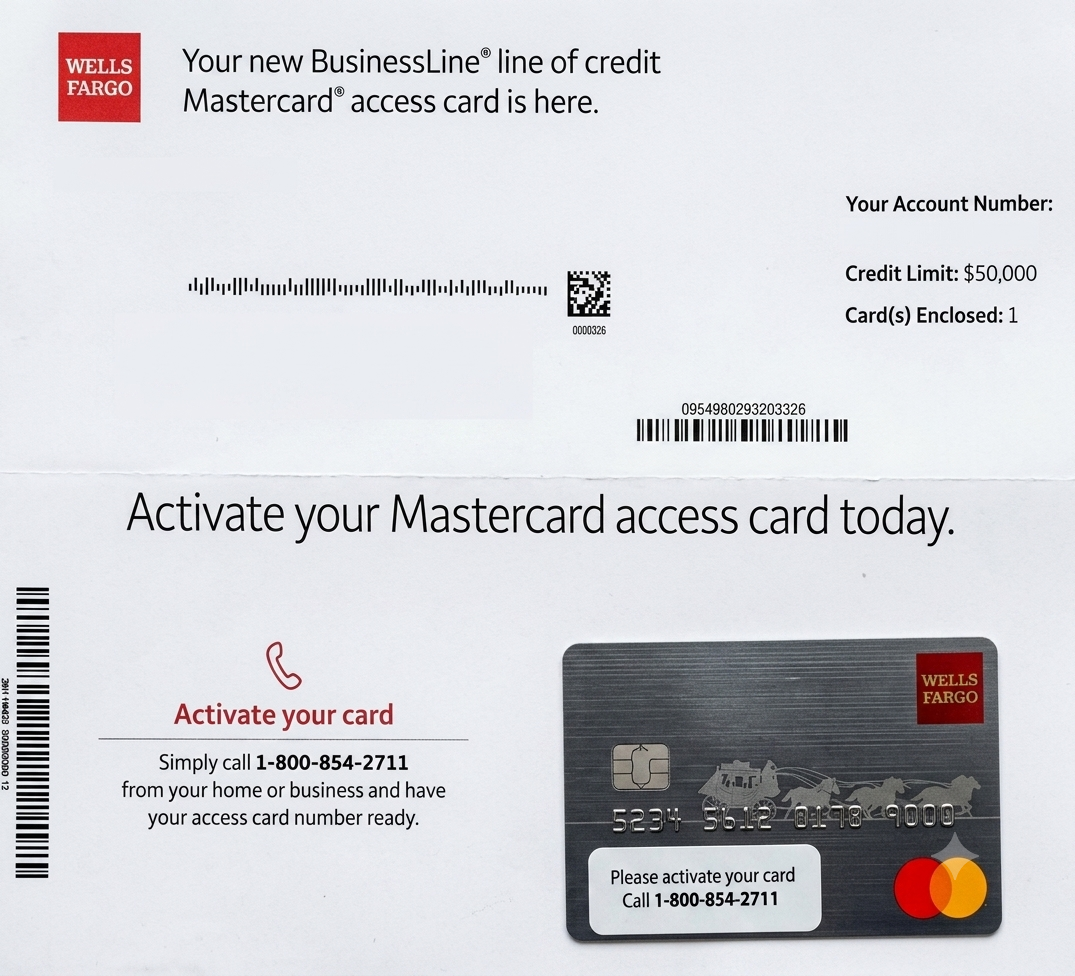
$50,000
Business Line of Credit
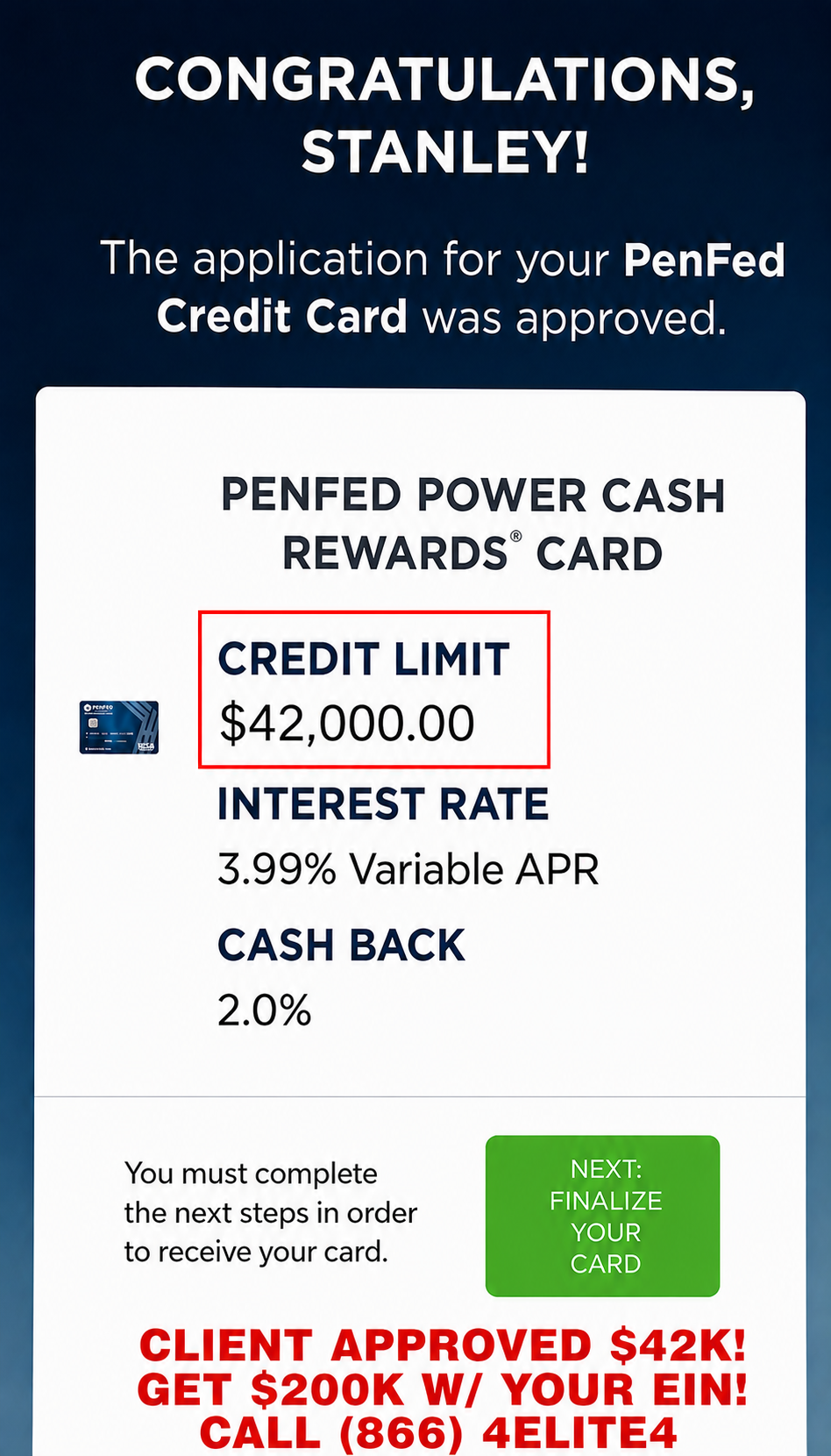
$42,000
PenFed Business Card
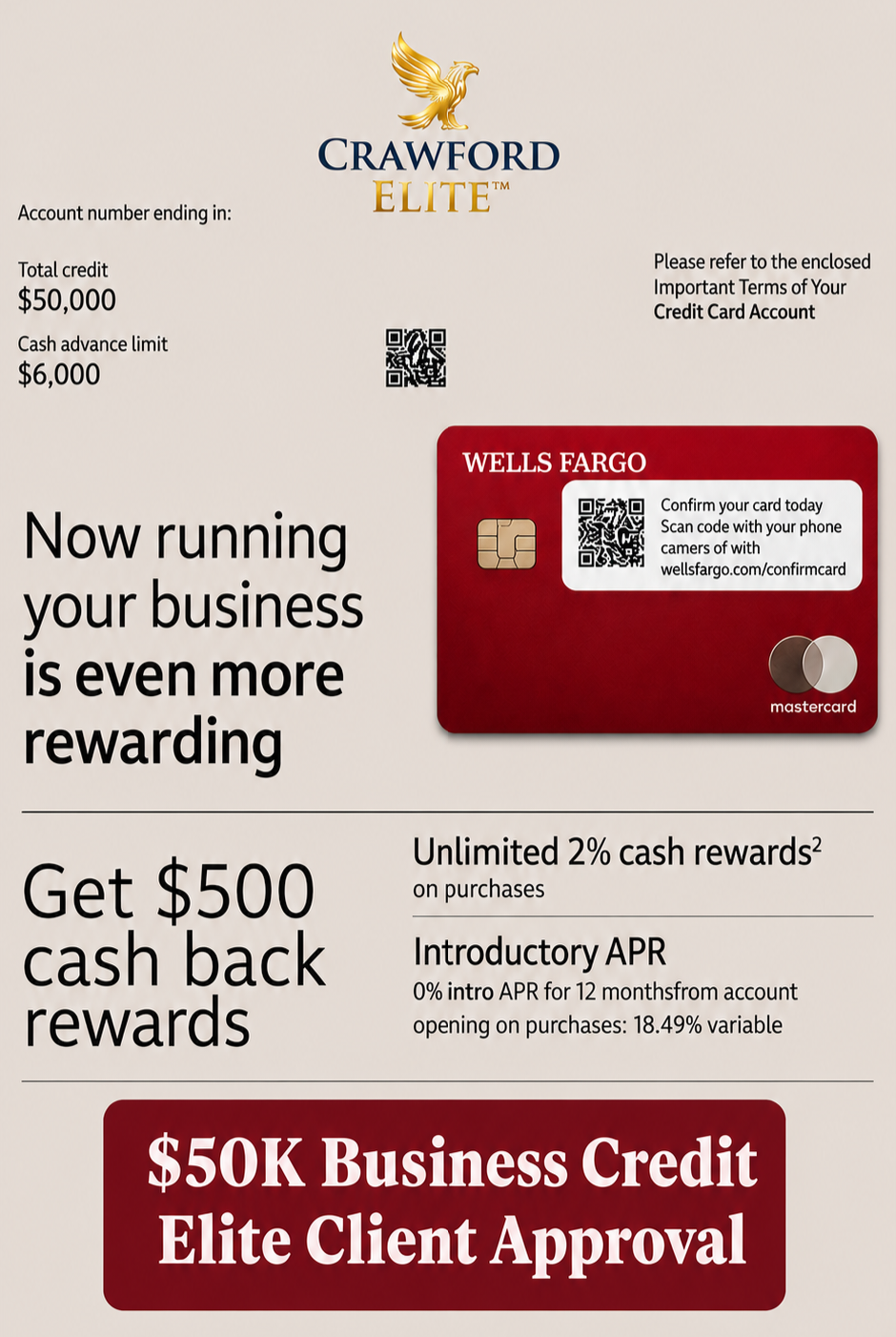
$50,000
Wells Fargo Business Card
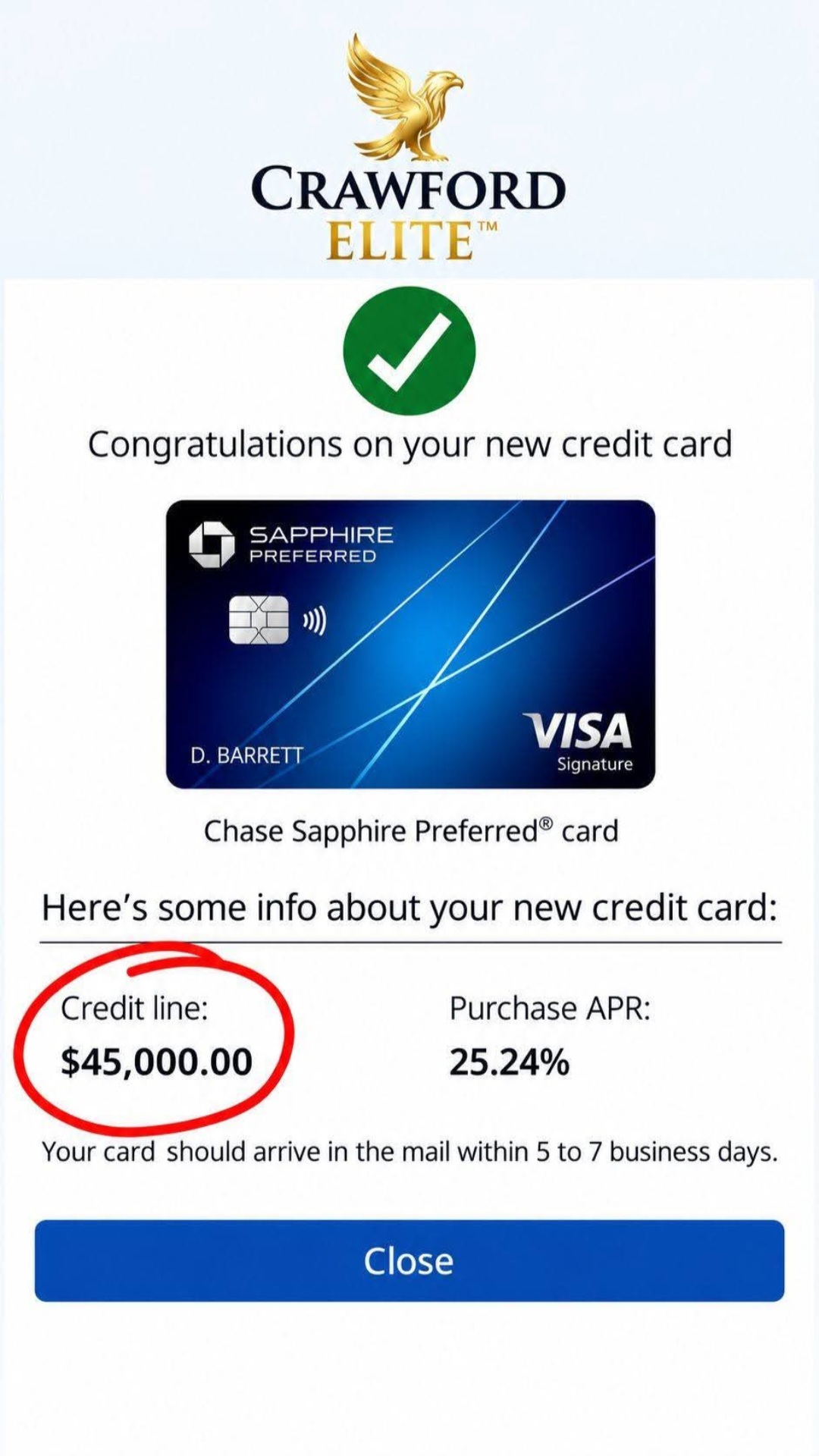
$45,000
Chase Sapphire Preferred

$100,000
American Express Business
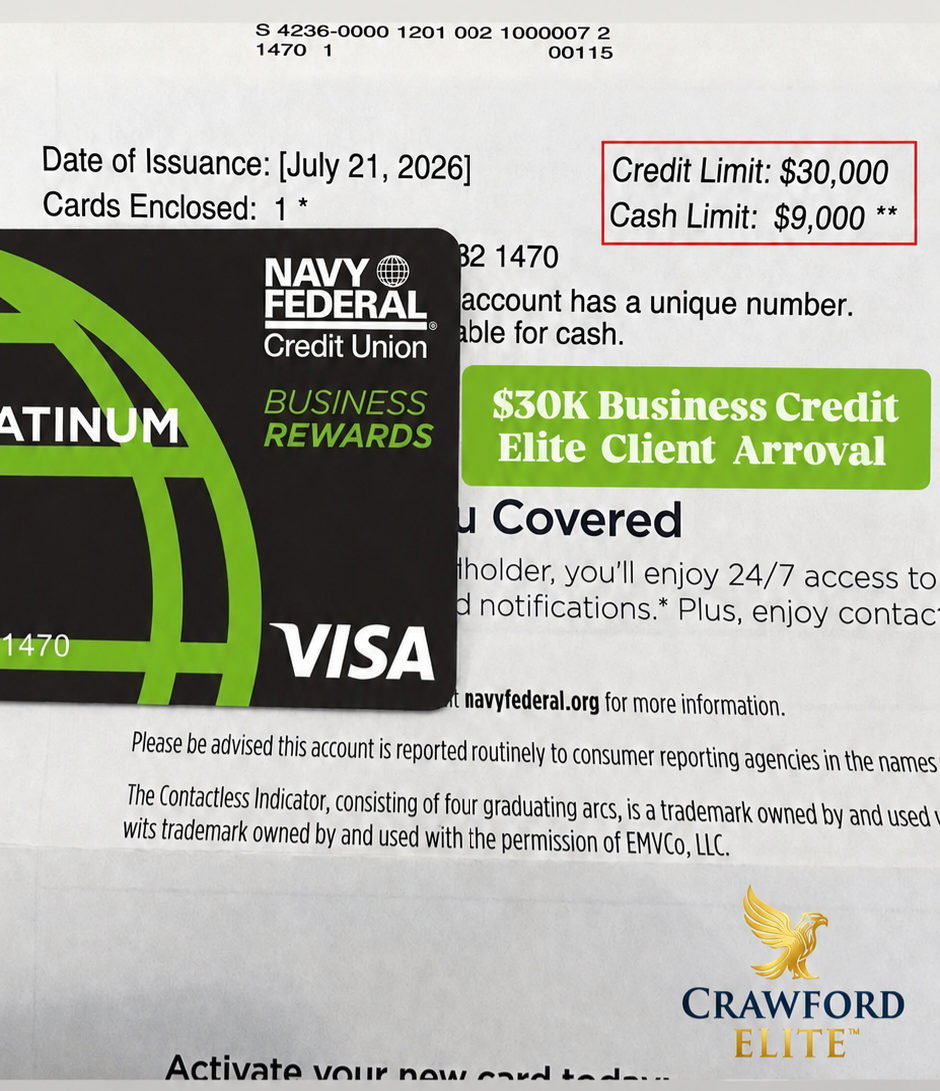
$30,000
Navy Federal Business Platinum
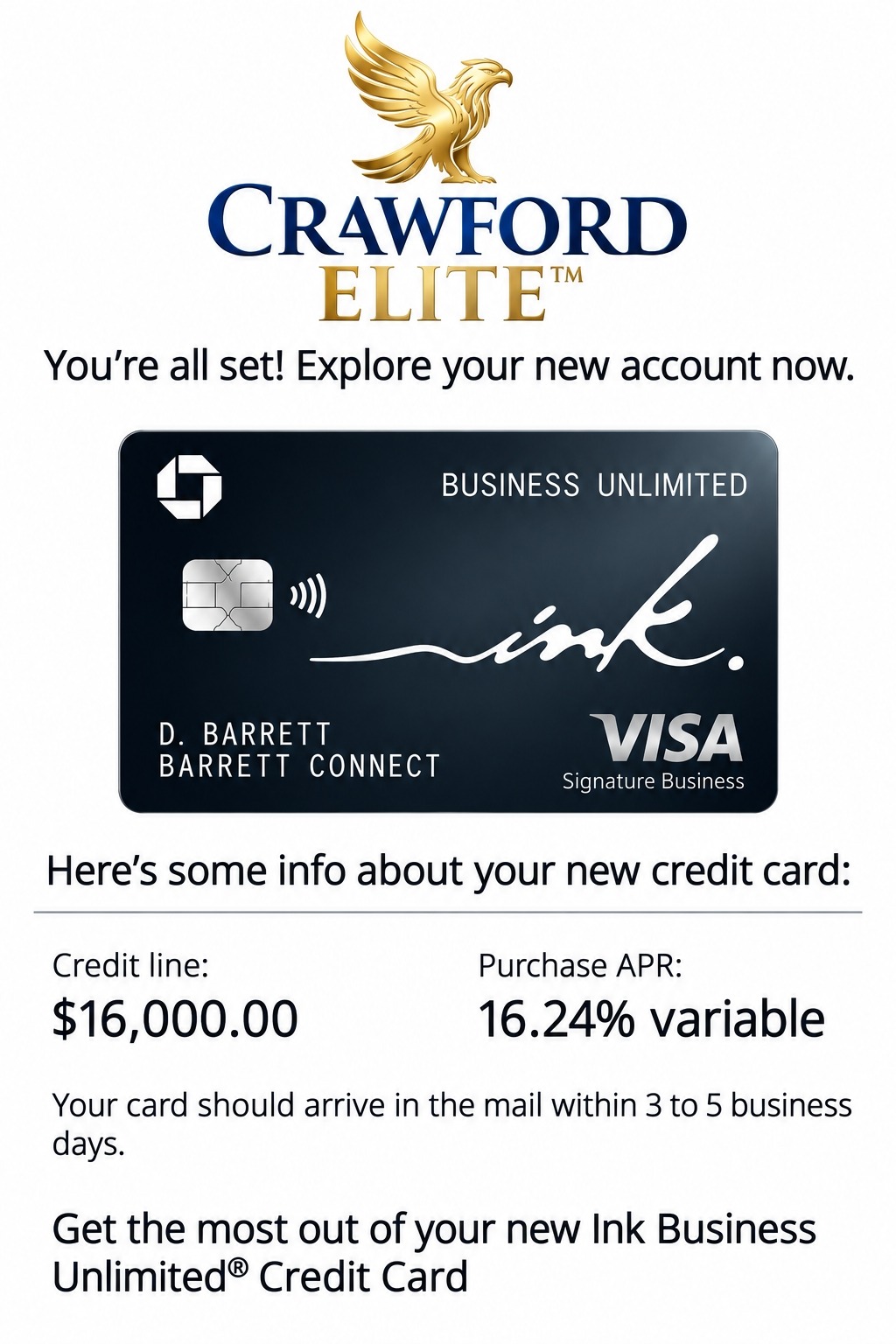
$16,000
Chase Ink Business Unlimited
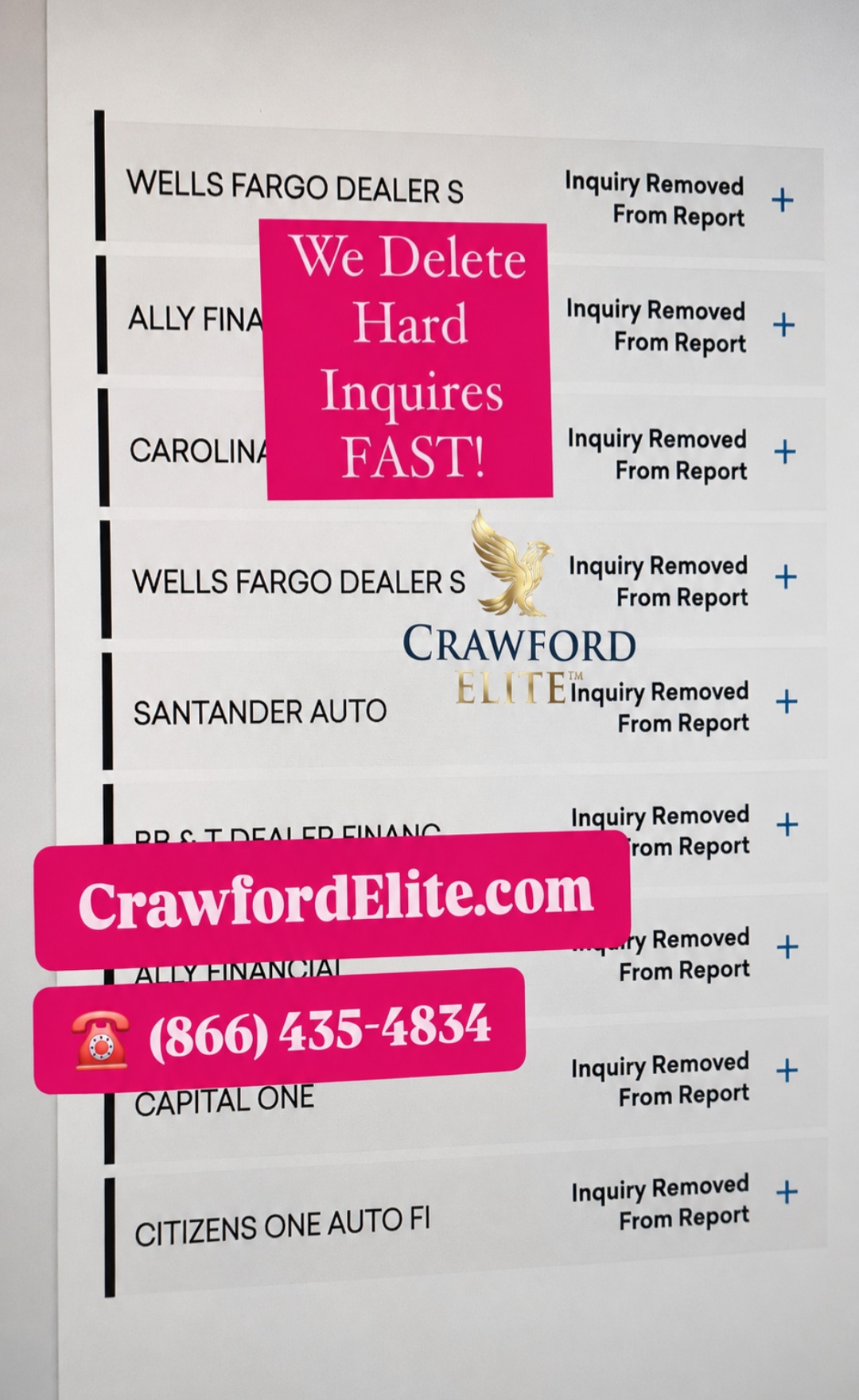
Hard Inquiries Deleted
9 Hard Inquiries Removed
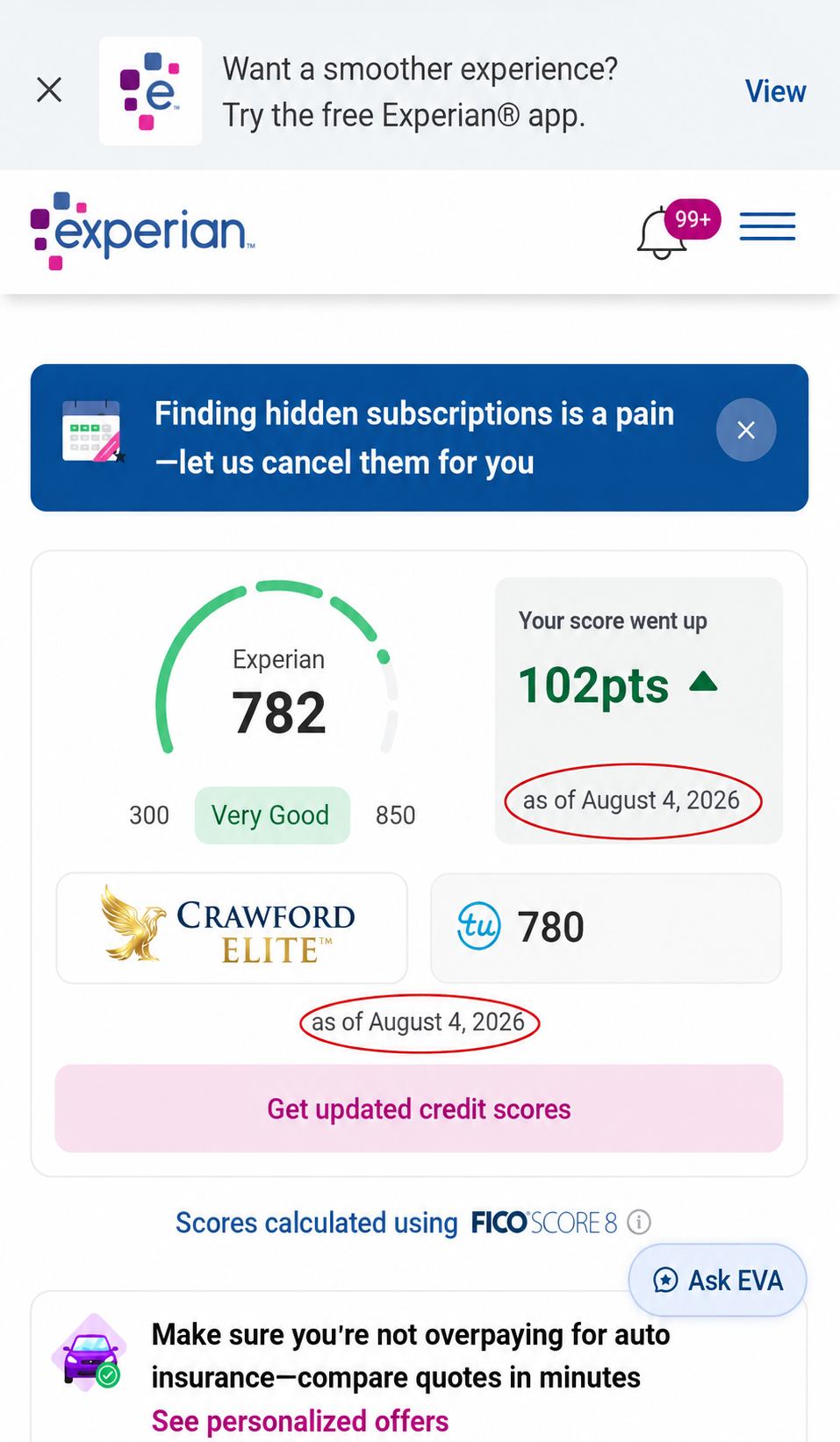
+160 Points
Credit Score Boost Increase
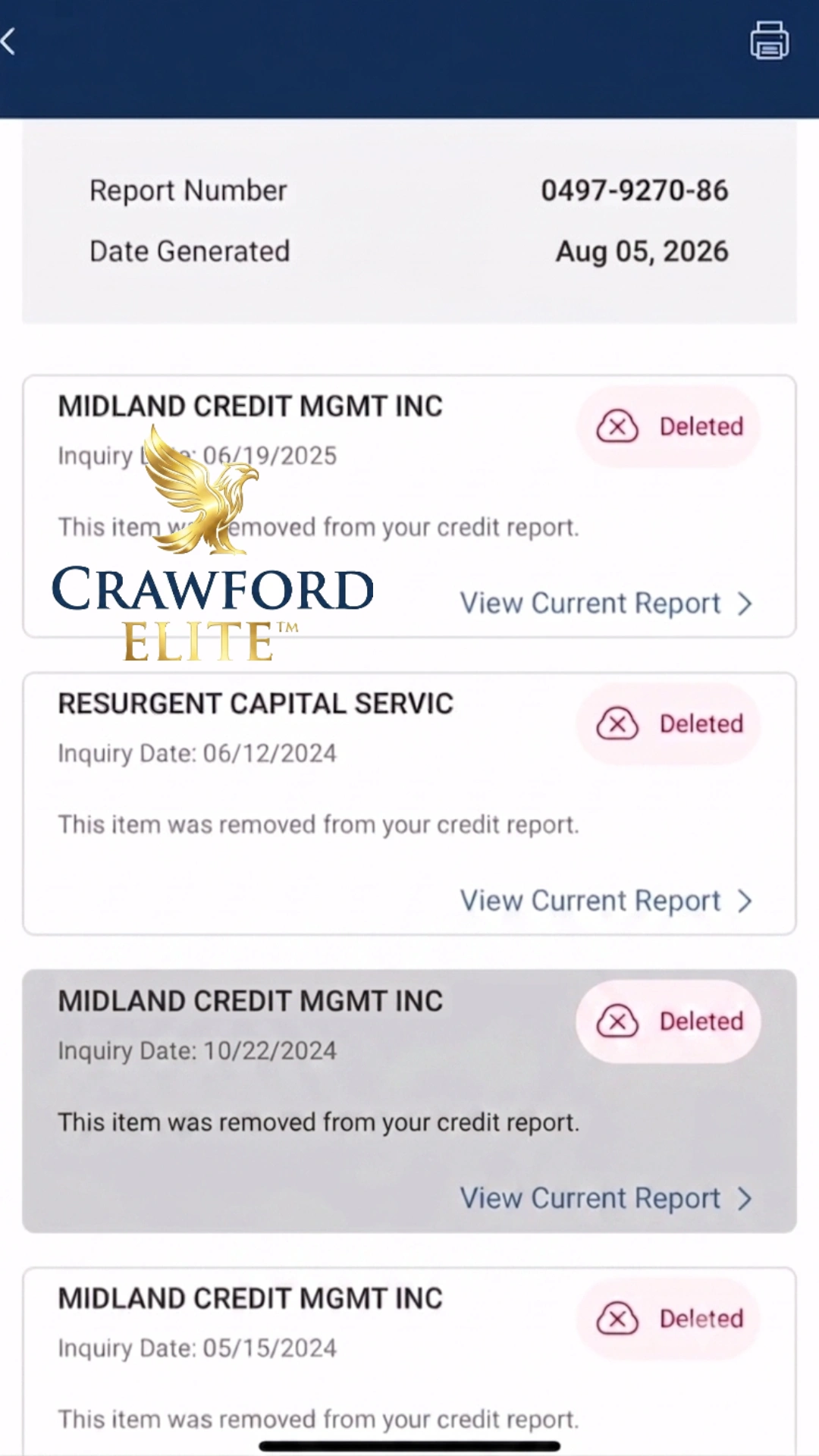
Aggressive Credit Repai
4 Collections Deleted Quickly
Audit these 10 fundability requirements before using an aged corporation to pursue bank credit, cards, loans, or lines of credit in 2026.
Why Age Is Only One Part of Fundability
Aged corporations can still be declined. Lenders evaluate whether the entire business profile is coherent, verifiable, financially capable, and appropriate for the requested product. Formation age can help satisfy a threshold, but it cannot compensate for weak cash flow or contradictory records.
A fundability audit finds problems before an application creates an inquiry or denial. Use the following ten requirements as a pre-application review, not as a promise of approval.
Requirements 1–2: Active Status and Complete Ownership Records
Confirm active good standing in the formation state and any state where the company operates. File overdue reports, resolve registered-agent issues, and obtain current evidence of status.
Document the ownership transfer through the stock ledger, certificates, resolutions, officer and director appointments, and seller agreement. Banks need to identify the people who own and control the company. Review Crawford Elite's current shelf corporation inventory when selecting an entity.
Requirements 3–4: Matching Identity and a Verifiable Presence
The legal name, EIN, principal address, mailing address, phone number, website, email domain, licenses, and bank records should tell the same story. Small inconsistencies can trigger automated verification failures.
Use a legitimate address permitted by the lender and suitable for the business. Maintain a professional website with clear services and contact information. Avoid copied content, disconnected numbers, and vague industry descriptions.
Requirements 5–6: Appropriate Industry Codes and Clean Public Records
Select accurate NAICS and SIC classifications. Misclassifying the company to hide a higher-risk industry can create compliance problems and may be treated as a material misrepresentation.
Search tax liens, UCC filings, judgments, lawsuits, and commercial credit reports. Resolve or disclose issues appropriately. A clean business background should be supported by records—not merely asserted in an application.
Requirements 7–8: Business Banking and Financial Capacity
Maintain a business bank account with stable deposits, sensible balances, and minimal negative days. Separate company and personal transactions so statements clearly reflect business activity.
Prepare current financial statements, bank statements, tax filings when applicable, invoices, contracts, and a debt schedule. Requested limits should make sense relative to revenue, cash flow, existing obligations, and the intended use of proceeds.
Requirements 9–10: Commercial Credit and Application Sequencing
Establish reporting accounts that fit the company and pay them reliably. Monitor Dun & Bradstreet, Experian Business, and Equifax Business for accurate identity data and payment experiences.
Then match each application to the profile and submit in a controlled sequence. Crawford Elite's business credit program helps owners organize the steps instead of applying randomly.
What Up to $700,000 Actually Requires
Reaching up to $700,000 generally means combining multiple facilities over time and meeting demanding underwriting standards. Strong revenue, cash flow, guarantor credit, collateral, industry stability, and lender relationships may all play a role. Many businesses will qualify for less or not at all.
The responsible goal is enough suitable capital for the business—not the largest possible number. Compare program pricing, or contact Crawford Elite for a review of the entity and its readiness before pursuing funding.
Sources & Further Reading
Every claim on this page can be checked against these federal agencies, regulators, credit bureaus, universities, research bodies, banks, and national business publications.
- SBA — Lender MatchFederal tool for finding SBA-approved lenders in your state.
- NCUA — Share Insurance EstimatorCoverage checks for credit union business deposits.
- Pew Research CenterIndependent research on household and business finances.
- National Association of Secretaries of StateDirectory of every state's business filing office — not just Texas.
- eCFR — Regulation V (FCRA Rules)The operating regulation behind furnisher and bureau duties.
- FTC — Credit and Loans GuidanceFederal consumer guidance on applying for and managing credit.
- Dell Business CreditEquipment financing account that can report.
- SBA — Apply for Licenses and PermitsFederal and state licensing requirements by industry.
- Bing Webmaster ToolsSecond search engine index and diagnostics.
- Fast Company — Work LifeOperations and leadership reporting.
- 411 Business Directory ListingDirectory listing of the business phone many issuers verify against.
- VantageScore — How Scoring WorksThe second major scoring model used by many card issuers.
- U.S. Securities and Exchange CommissionRules for raising investment capital and public disclosures.
- MIT OpenCourseWare — EntrepreneurshipUniversity-level coursework, free and citable.
- IRS — Estimated TaxesQuarterly payment rules that protect cash flow planning.
- USA.gov — Government Grants and LoansLegitimate federal grant and loan channels, with scam warnings.
- Bank of America — Small Business BankingAccount and lending products for growing companies.
- Bureau of Labor Statistics — Business Employment DynamicsSurvival rates and job creation data for new firms.
- IRS — Employer ID NumbersFederal rules on EIN issuance and responsible-party updates.
- Cornell LII — Fair Credit Reporting Act (15 U.S.C. §1681)Statutory text with cross-references and annotations.
- U.S. Bank — Business Credit CardsIssuer disclosures for business card products.
- Staples BusinessOffice supply accounts commonly used as early tradelines.
- NFIB — Small Business ResourcesAdvocacy group research and owner surveys.
- FTC — CAN-SPAM Compliance GuideEmail rules for lead nurturing campaigns.
Verify Your Entity in Your Own State
We serve business owners nationwide. Look up filings, name availability, and good-standing status with your state's official business filing office.
- Alabama
- Alaska
- Arizona
- Arkansas
- California
- Colorado
- Connecticut
- Delaware
- District of Columbia
- Florida
- Georgia
- Hawaii
- Idaho
- Illinois
- Indiana
- Iowa
- Kansas
- Kentucky
- Louisiana
- Maine
- Maryland
- Massachusetts
- Michigan
- Minnesota
- Mississippi
- Missouri
- Montana
- Nebraska
- Nevada
- New Hampshire
- New Jersey
- New Mexico
- New York
- North Carolina
- North Dakota
- Ohio
- Oklahoma
- Oregon
- Pennsylvania
- Rhode Island
- South Carolina
- South Dakota
- Tennessee
- Texas
- Utah
- Vermont
- Virginia
- Washington
- West Virginia
- Wisconsin
- Wyoming
More Trusted Reading
Additional national resources for owners building credit, capital, and compliance in any state.
- U.S. Census Bureau — Business DataNational economic and small business statistics.
- SBA — Learning PlatformFree federal courses on financing, planning, and marketing.
- The Wall Street Journal — Small BusinessNational reporting on credit conditions.
- SBA Office of Advocacy — Small Business DataState-by-state small business profiles and research.
- SBA — 10 Steps to Start Your BusinessFederal checklist from formation through funding.
- Bing Webmaster ToolsSecond search engine index and diagnostics.
- Dun & Bradstreet — Get a D-U-N-S NumberThe identifier behind the PAYDEX score most vendors and issuers check.
- AnnualCreditReport.com — Free Consumer ReportsThe only federally authorized source for free Equifax, Experian, and TransUnion reports.
- IRS — Business StructuresTax treatment differences between corporations, LLCs, and S-corps.
- FDIC — BankFind SuiteConfirm a lender is a federally insured institution before applying.
- Visa — Small Business ResourcesNetwork-level acceptance and payment resources.
- Summa Office SuppliesSmall-order supplier used by owners building early tradelines.
- CFPB — Small Business Lending Data (1071)The rule bringing transparency to small business lending decisions.
- FDIC — Deposit Insurance for Business AccountsHow coverage applies to corporate and LLC accounts.
- Cornell LII — Fair Credit Reporting Act (15 U.S.C. §1681)Statutory text with cross-references and annotations.
- IRS — Recordkeeping for BusinessesDocumentation standards underwriters also expect.