
7 Shelf Corporation Benefits for Business Growth and Credibility

Verified Proof
Recent Client Results
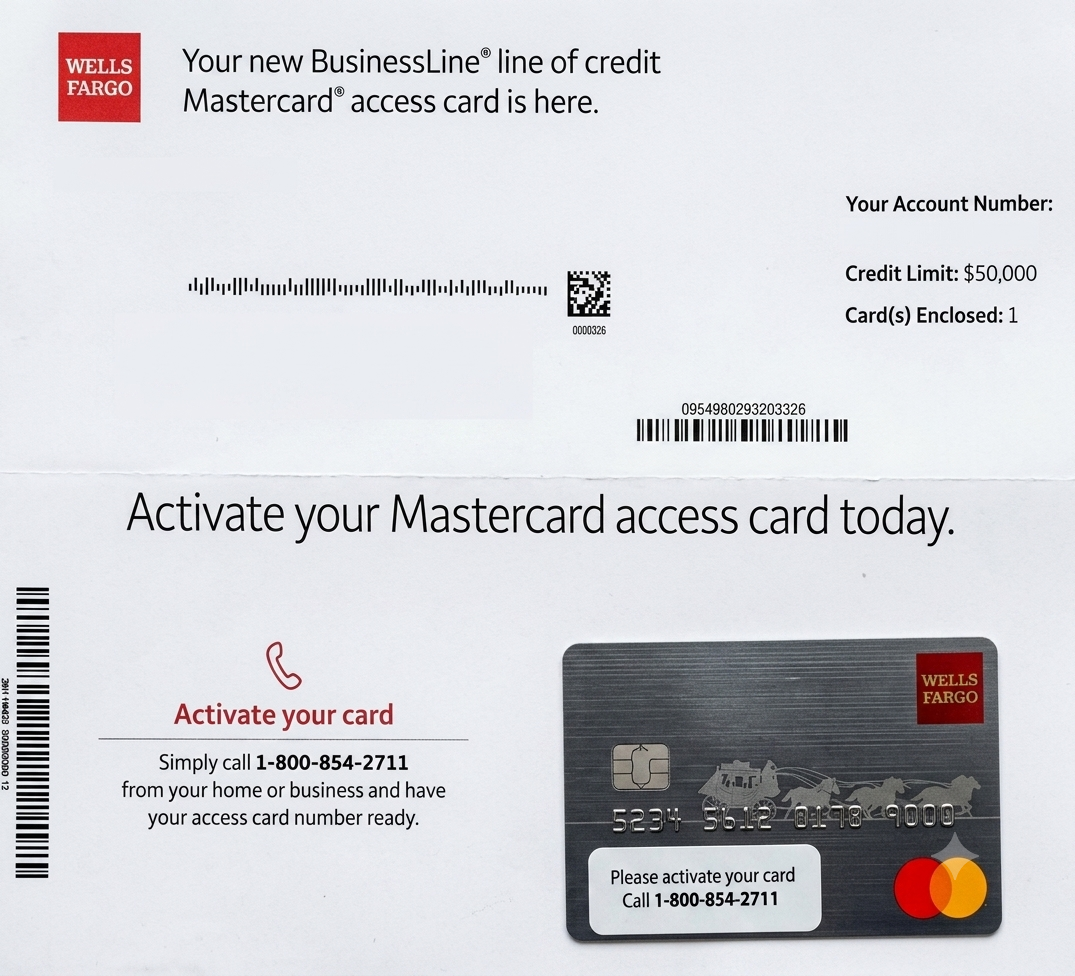
$50,000
Business Line of Credit
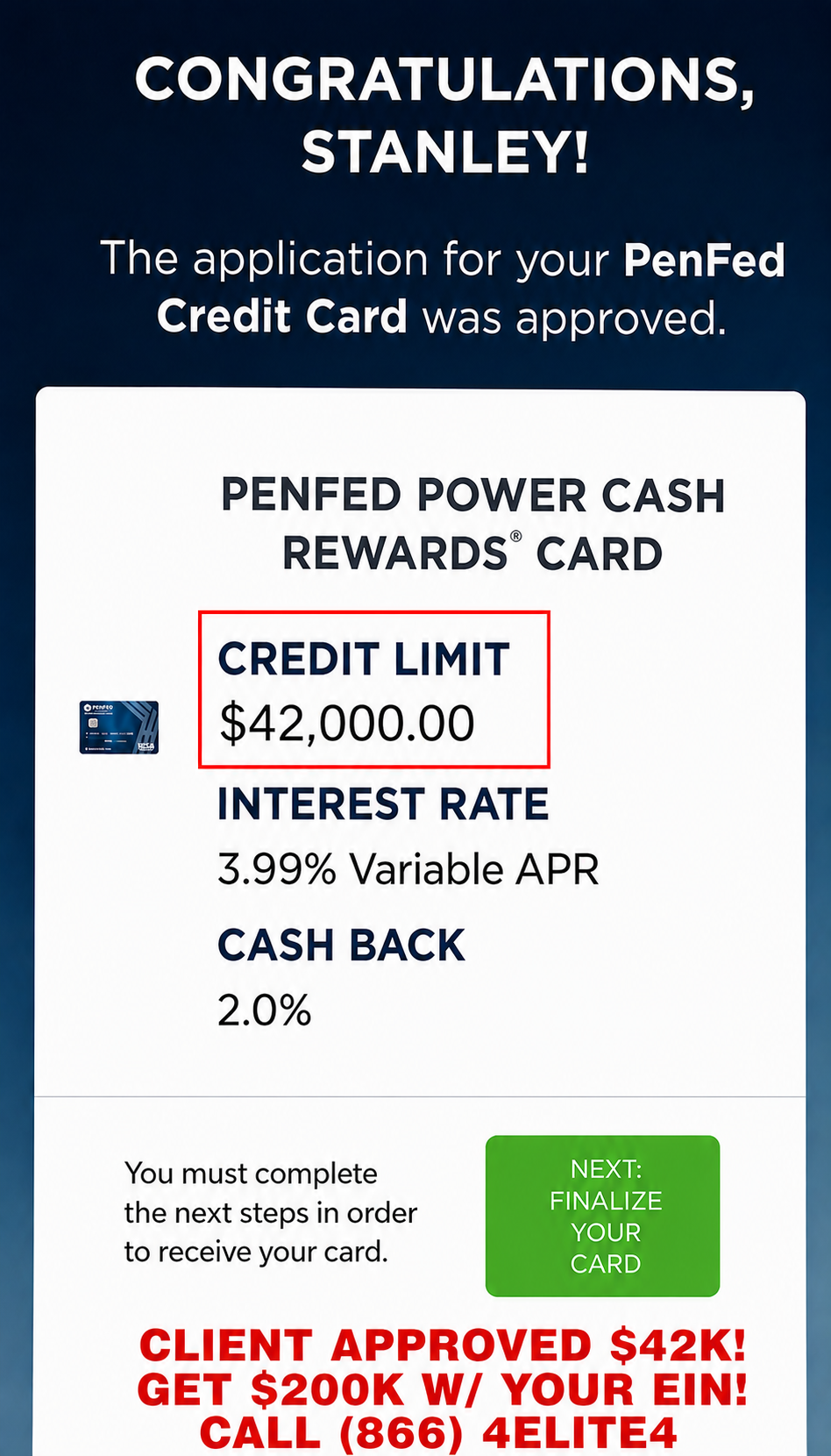
$42,000
PenFed Business Card
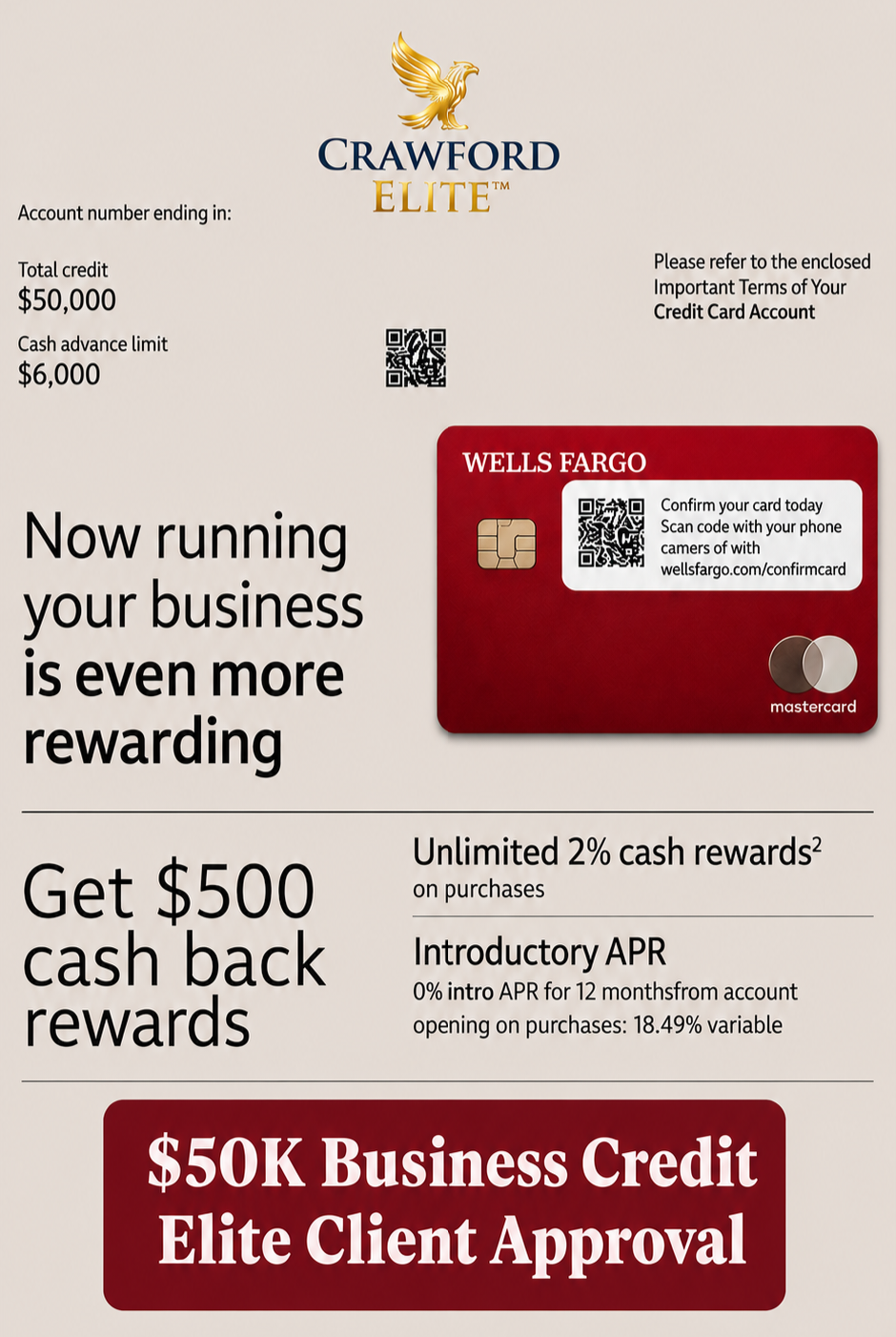
$50,000
Wells Fargo Business Card
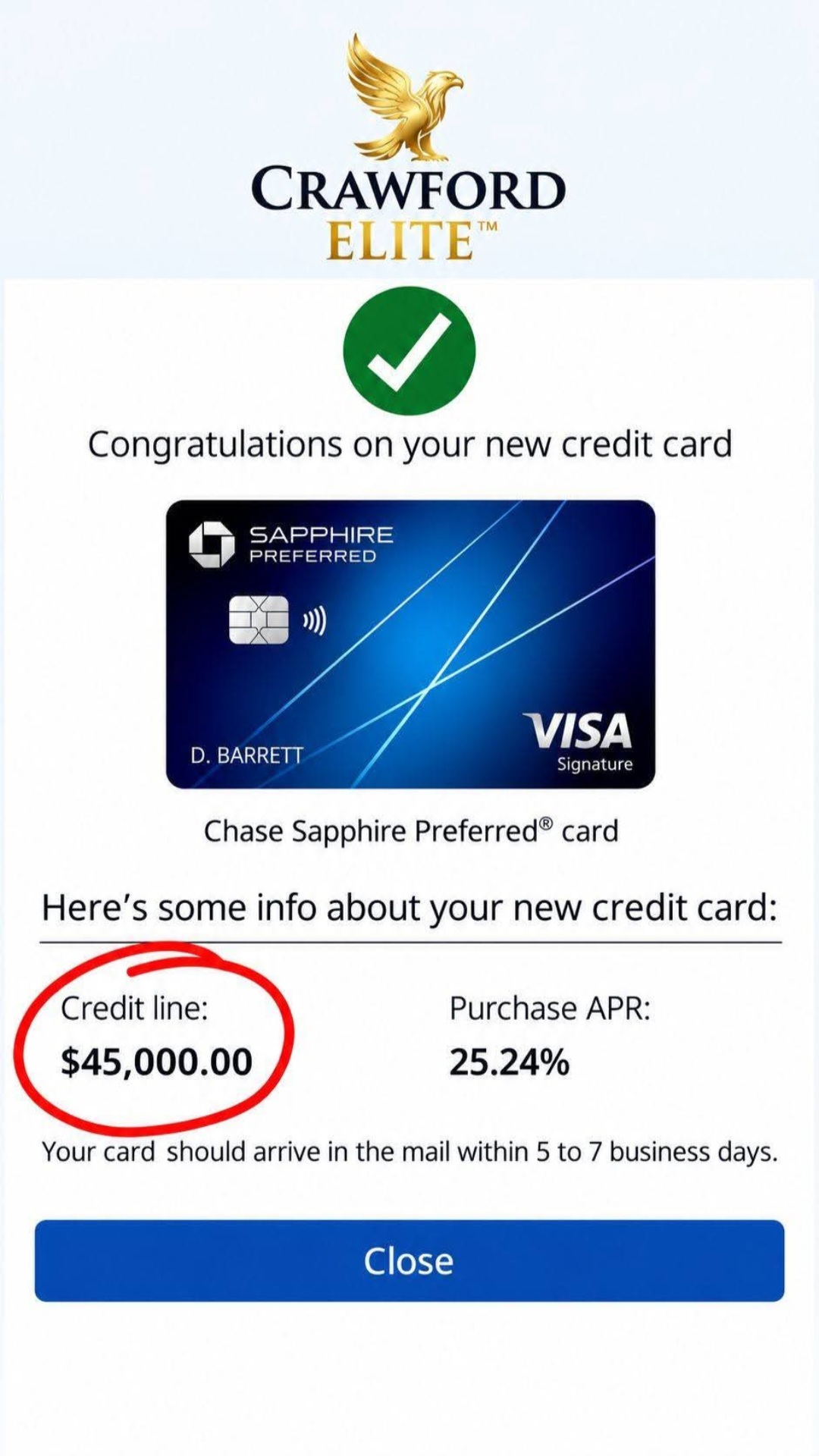
$45,000
Chase Sapphire Preferred

$100,000
American Express Business
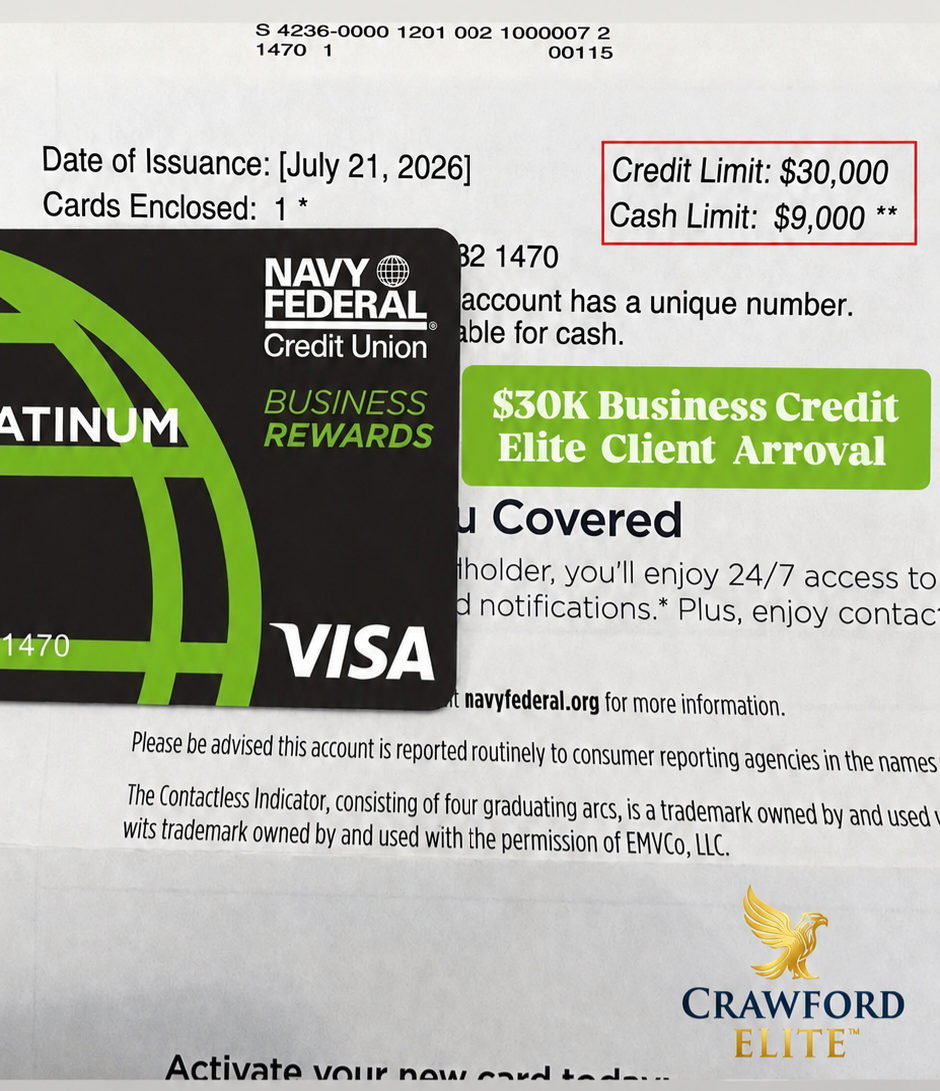
$30,000
Navy Federal Business Platinum
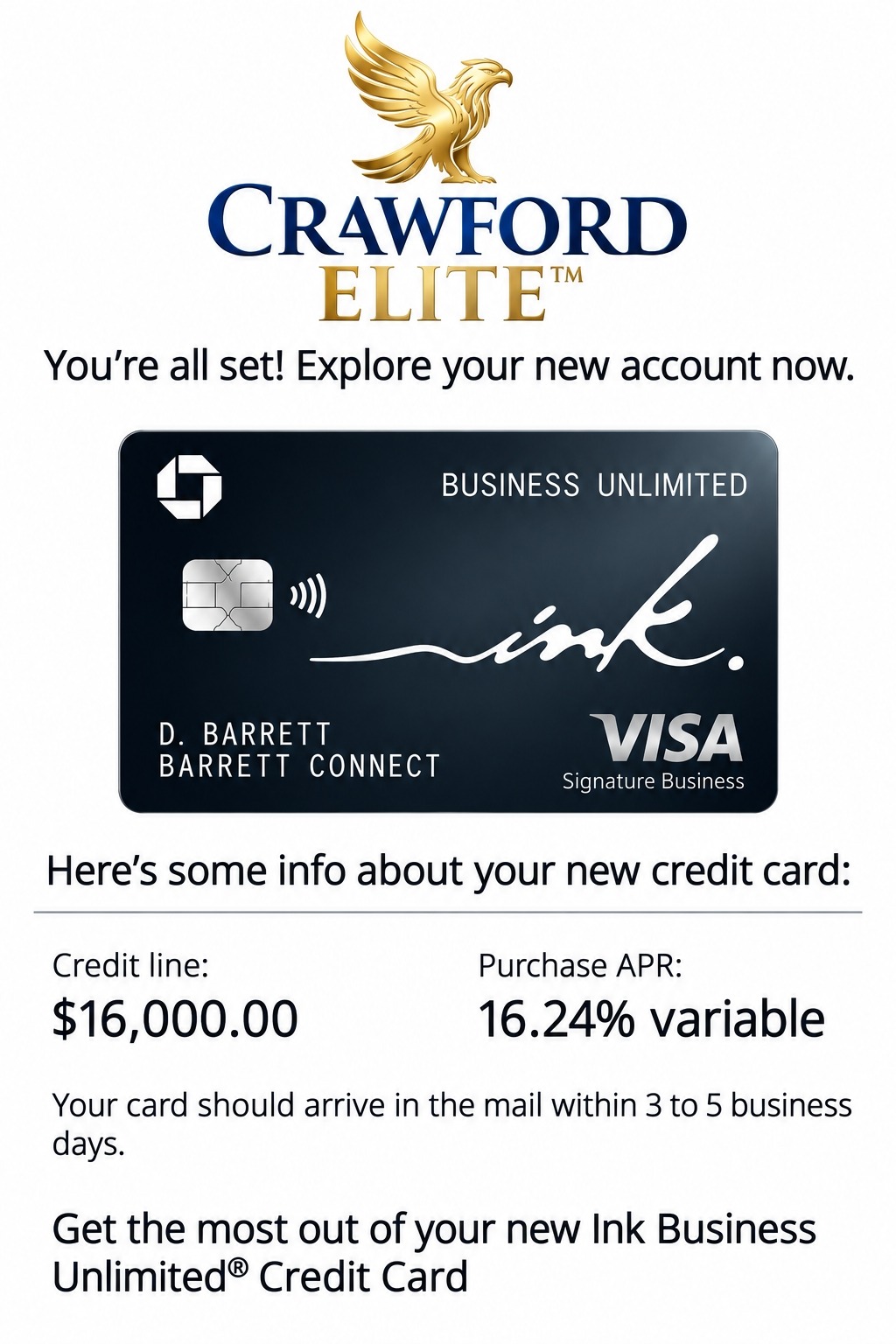
$16,000
Chase Ink Business Unlimited
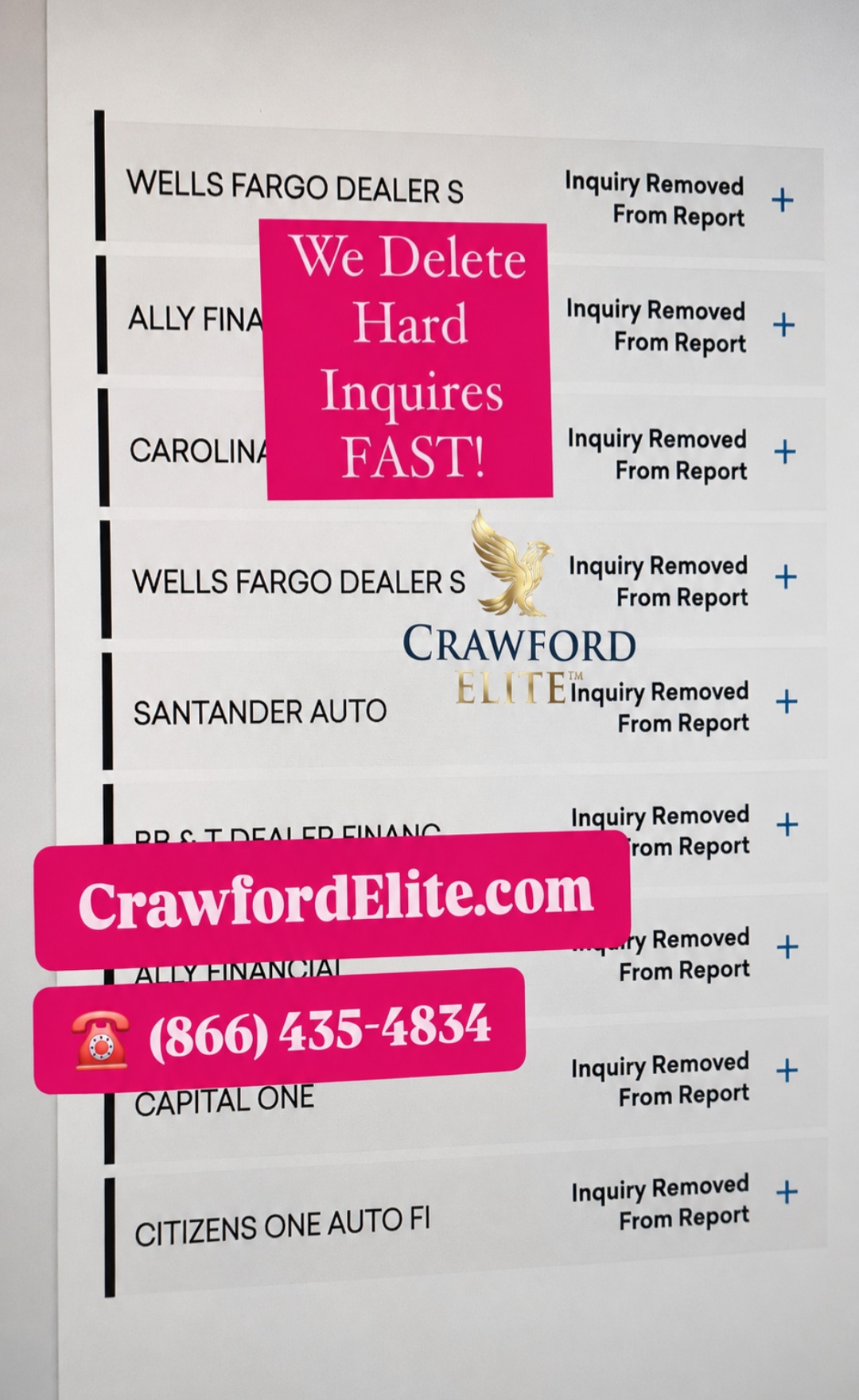
Hard Inquiries Deleted
9 Hard Inquiries Removed
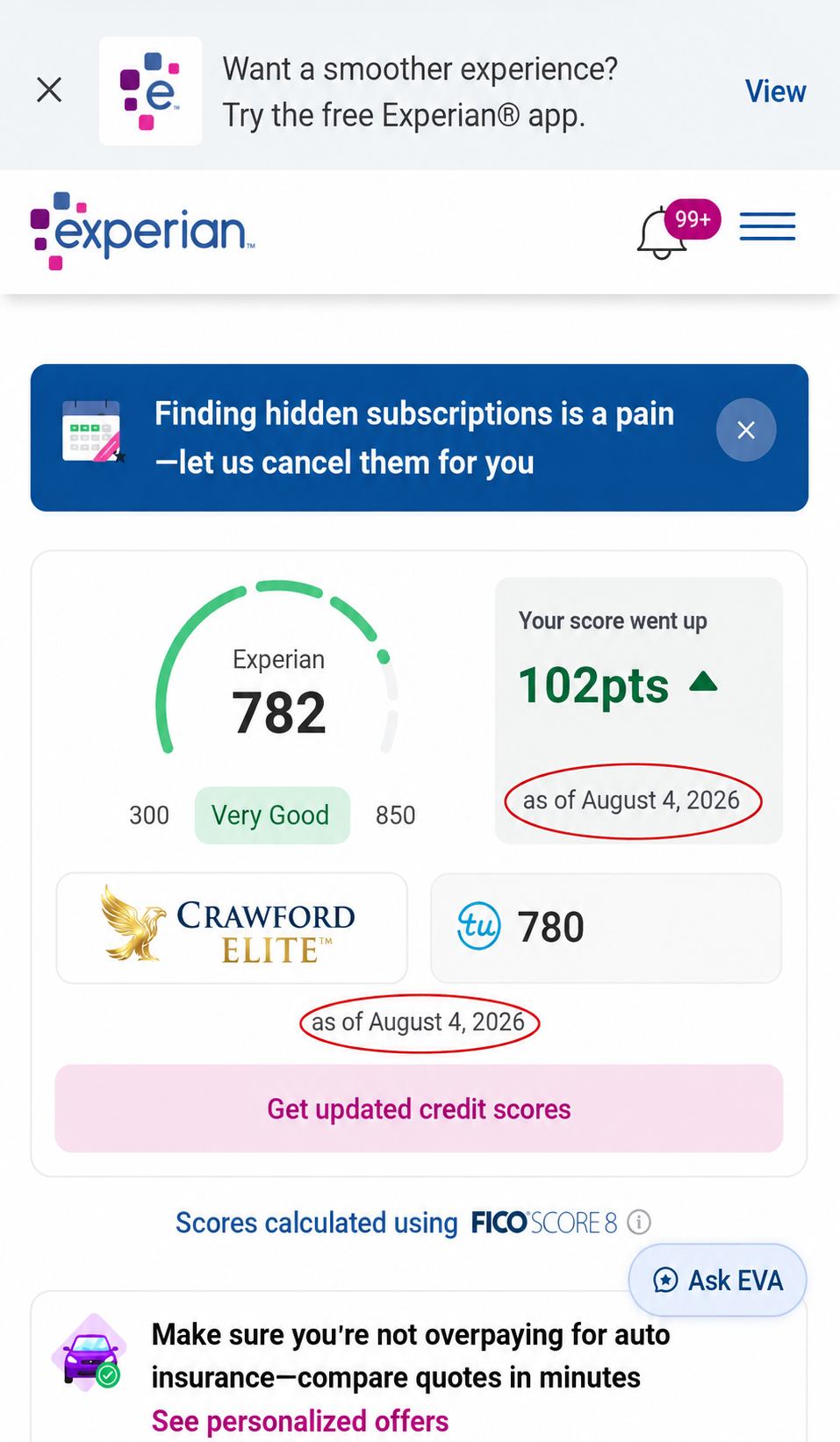
+160 Points
Credit Score Boost Increase
Aggressive Credit Repai
4 Collections Deleted Quickly
Learn the legitimate benefits of an aged shelf corporation, from immediate entity age to faster operational setup—and what it cannot guarantee.
What Is a Shelf Corporation?
A shelf corporation, also called an aged corporation or shelf company, is a legal entity formed on an earlier date and maintained without active operations until ownership is transferred. Its principal asset is documented corporate age—not hidden revenue, automatic credit, or a guaranteed lending decision.
For owners who need an established entity for a time-sensitive opportunity, the practical benefit is speed. Instead of waiting years for a newly formed corporation to age, a buyer can acquire an entity with a verifiable formation date and then build a legitimate operating profile around it. Start by reviewing Crawford Elite's available shelf corporations.
Benefit 1: Immediate, Verifiable Business Age
Some vendors, contracts, leases, and lenders ask how long a business has existed. An aged corporation can truthfully report its original formation date after a properly documented ownership transfer. That history can satisfy minimum-age screens that a brand-new entity cannot pass.
Age must never be misrepresented as operating history. A company formed five years ago is not automatically a company with five years of revenue, employees, or completed contracts. Accurate applications distinguish the entity's formation date from the current owner's operational record.
Benefits 2–4: Faster Setup, Credibility, and Contract Readiness
A compliant shelf corporation can shorten the administrative path to an established legal entity. It may support stronger first impressions with suppliers, customers, landlords, and potential partners because the public formation record is not brand new.
Entity age can also help when a bid, lease, merchant account, or vendor program has a minimum time-in-business requirement. The benefit is eligibility to be considered—not automatic acceptance. The buyer still needs a matching address, business phone, website, licenses, bank account, and accurate ownership records.
Benefits 5–7: A Foundation for Credit, Banking, and Expansion
Once transferred and updated correctly, an aged entity can become the foundation for business credit reporting, banking relationships, and a deliberate funding sequence. Owners can establish vendor accounts, monitor Dun & Bradstreet, Experian Business, and Equifax Business records, and build payment history under the current operation.
The entity may also fit an expansion strategy in which the owner separates projects, enters a new market, or prepares for a contract opportunity. Crawford Elite's business credit program can help organize the reporting and funding-readiness work that must happen after acquisition.
What a Shelf Corporation Does Not Do
A shelf corporation does not erase underwriting standards, create revenue, supply a Paydex score, or remove the need for due diligence. It cannot legally transfer another owner's financial performance to a new buyer, and no legitimate seller can promise that age alone will produce a loan.
Treat claims of guaranteed funding, hidden credit files, or instant no-document approvals as warning signs. Review the entity, the transaction documents, and every lender application carefully. See Crawford Elite's pricing and program options before deciding which route fits your goals.
How to Use the Advantage Correctly
The strongest approach is sequential: verify the corporation, complete the ownership transfer, update state and federal records, open compliant operating accounts, establish business credit, document revenue, and apply only for products that fit the profile.
If you want help choosing an entity and mapping the next steps, contact Crawford Elite. Our team can explain the difference between purchasing an aged entity and building the fundability profile that lenders actually evaluate.
Sources & Further Reading
Every claim on this page can be checked against these federal agencies, regulators, credit bureaus, universities, research bodies, banks, and national business publications.
- SAM.gov — Federal Entity RegistrationRegister your entity for federal contracting; also validates business identity data.
- Walmart — Business AccountsBusiness purchasing accounts and payment terms.
- U.S. Census Bureau — Business DataNational economic and small business statistics.
- FTC — Business Opportunity RuleConsumer-protection rules that surround business purchase claims.
- Cornell LII — Equal Credit Opportunity ActFederal prohibition on credit discrimination.
- OSHA — Small Business ResourcesCompliance help that keeps operations insurable.
- Coursera — Business Finance CoursesUniversity-taught finance fundamentals.
- SBA — Lender MatchFederal tool for finding SBA-approved lenders in your state.
- Bank of America — Business Credit CardsTerms and rewards structures for business cards.
- FinCENAnti-money-laundering and beneficial ownership rules.
- Federal Reserve — Payments SystemACH, wire, and FedNow rails your business relies on.
- IRS — Free Tax Transcript RequestTranscripts lenders request during underwriting.
- Google Search Central — SEO Starter GuideGoogle's own documentation on ranking fundamentals.
- CNBC — Small BusinessDaily business and financing news.
- NFCC — Nonprofit Credit CounselingNonprofit counseling network for budgeting and debt management plans.
- Dun & Bradstreet — What Is a PAYDEX ScoreHow the 0–100 payment score is calculated and what 80+ signals.
- QuillBusiness supplier offering invoiced purchasing.
- New York Fed — Small Business Credit SurveyRegional and national small business financing research.
- USPTO — Trademark SearchConfirm the entity name is not colliding with a registered mark.
- Legal Services CorporationFederally funded civil legal aid network.
- SBA — Apply for Licenses and PermitsFederal and state licensing requirements by industry.
- Stanford Graduate School of Business — InsightsAcademic insight on capital, pricing, and strategy.
- USA.gov — Government Grants and LoansLegitimate federal grant and loan channels, with scam warnings.
- FTC — Credit and Loans GuidanceFederal consumer guidance on applying for and managing credit.
Verify Your Entity in Your Own State
We serve business owners nationwide. Look up filings, name availability, and good-standing status with your state's official business filing office.
- Alabama
- Alaska
- Arizona
- Arkansas
- California
- Colorado
- Connecticut
- Delaware
- District of Columbia
- Florida
- Georgia
- Hawaii
- Idaho
- Illinois
- Indiana
- Iowa
- Kansas
- Kentucky
- Louisiana
- Maine
- Maryland
- Massachusetts
- Michigan
- Minnesota
- Mississippi
- Missouri
- Montana
- Nebraska
- Nevada
- New Hampshire
- New Jersey
- New Mexico
- New York
- North Carolina
- North Dakota
- Ohio
- Oklahoma
- Oregon
- Pennsylvania
- Rhode Island
- South Carolina
- South Dakota
- Tennessee
- Texas
- Utah
- Vermont
- Virginia
- Washington
- West Virginia
- Wisconsin
- Wyoming
More Trusted Reading
Additional national resources for owners building credit, capital, and compliance in any state.
- USA.gov — Business ResourcesThe federal government's front door for business services.
- SCORE — Free Small Business MentoringSBA-supported mentoring and templates for owners.
- CNBC — Small BusinessDaily business and financing news.
- FRED — Federal Reserve Economic DataRates, lending volume, and delinquency series you can cite.
- AnnualCreditReport.com — Free Consumer ReportsThe only federally authorized source for free Equifax, Experian, and TransUnion reports.
- IRS — Business StructuresTax treatment differences between corporations, LLCs, and S-corps.
- SBA — Women's Business CentersLocal federally funded advising for capital readiness.
- Visa — Small Business ResourcesNetwork-level acceptance and payment resources.
- Lowe's — Business Credit AccountsBusiness account options for trade and supply purchases.
- Federal Reserve BoardMonetary policy and bank supervision affecting credit availability.
- Truist — Small BusinessRegional bank offerings for business borrowers.
- Cornell LII — Fair Credit Reporting Act (15 U.S.C. §1681)Statutory text with cross-references and annotations.
- IRS — Free Tax Transcript RequestTranscripts lenders request during underwriting.
- SBA — Certify: Federal Contracting Programs8(a), HUBZone, and WOSB certification portals.
- FTC — Advertising and Marketing RulesTruth-in-advertising standards for financial claims.
- Creditsafe — Business Credit ReportsAn additional commercial bureau many suppliers pull before extending terms.