
Shelf Corporation vs. New LLC: Which Is Better for Business Funding?

Verified Proof
Recent Client Results
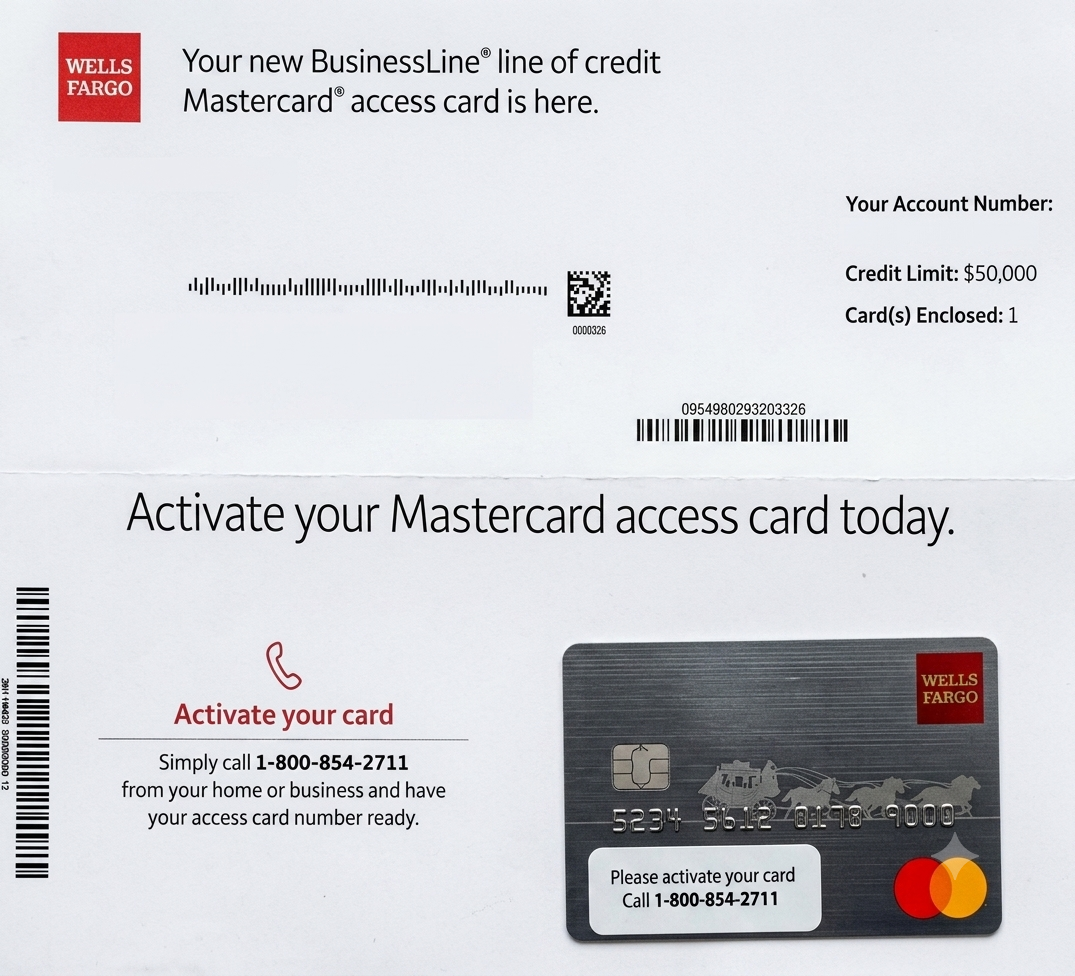
$50,000
Business Line of Credit
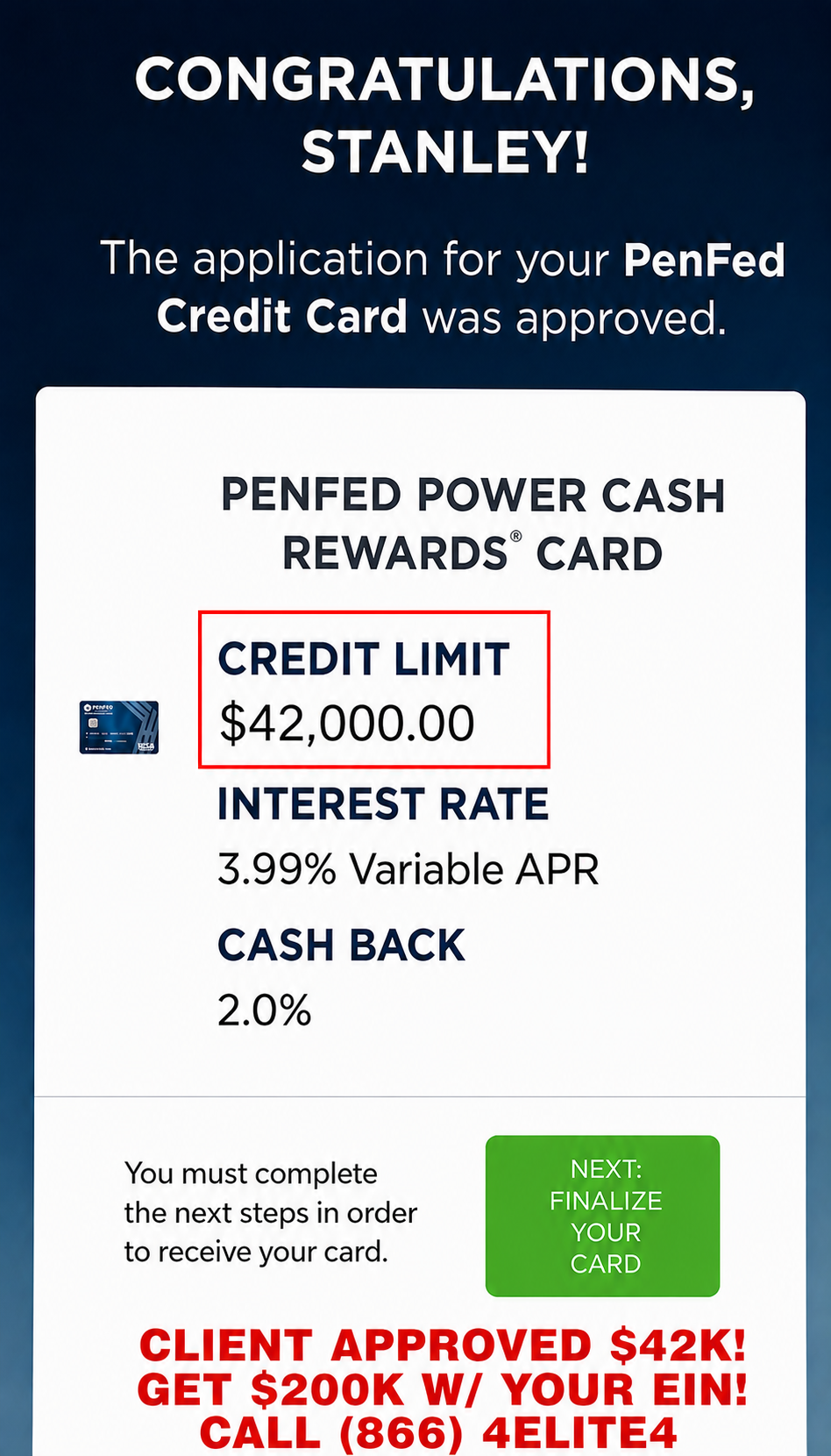
$42,000
PenFed Business Card
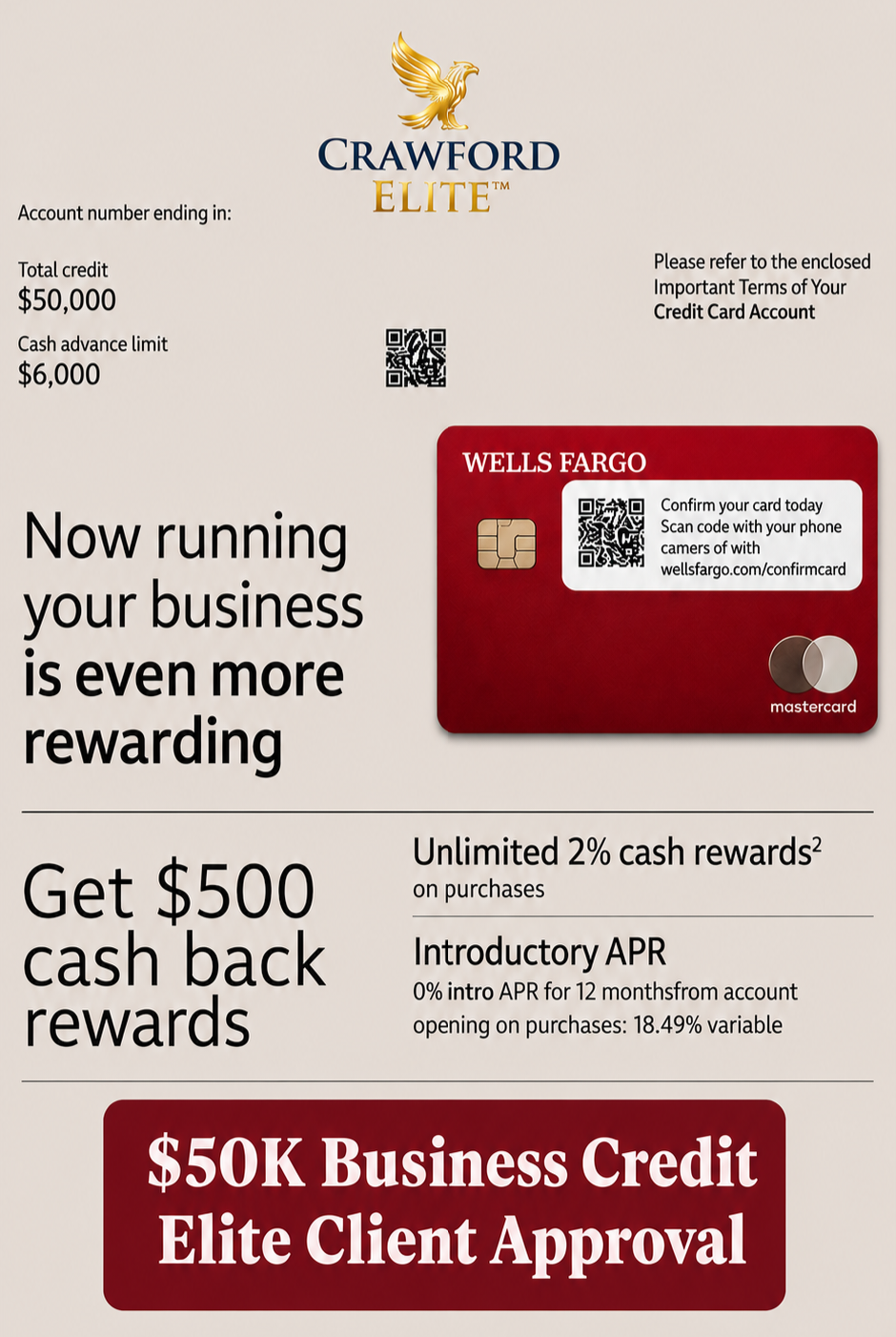
$50,000
Wells Fargo Business Card
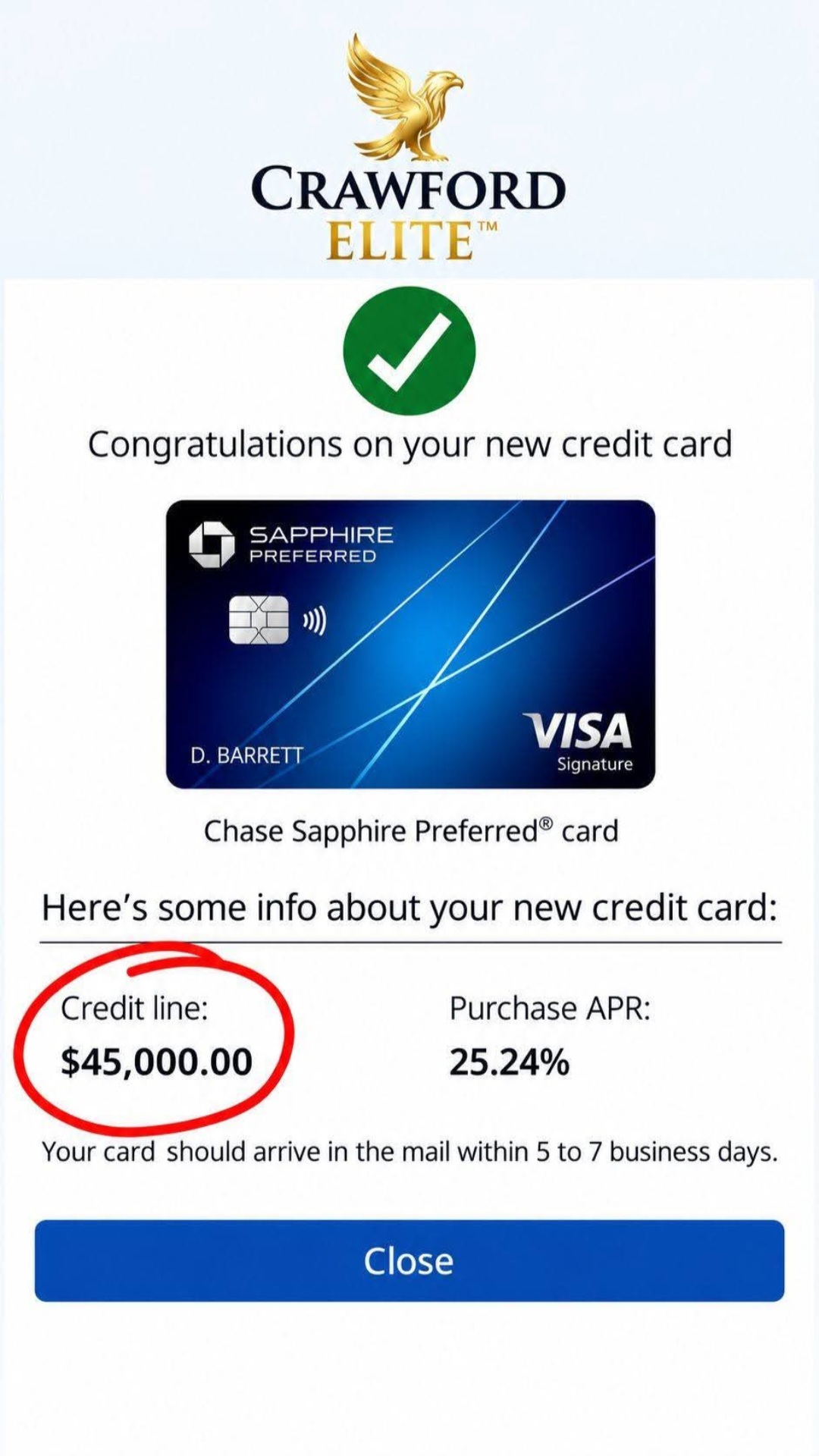
$45,000
Chase Sapphire Preferred

$100,000
American Express Business
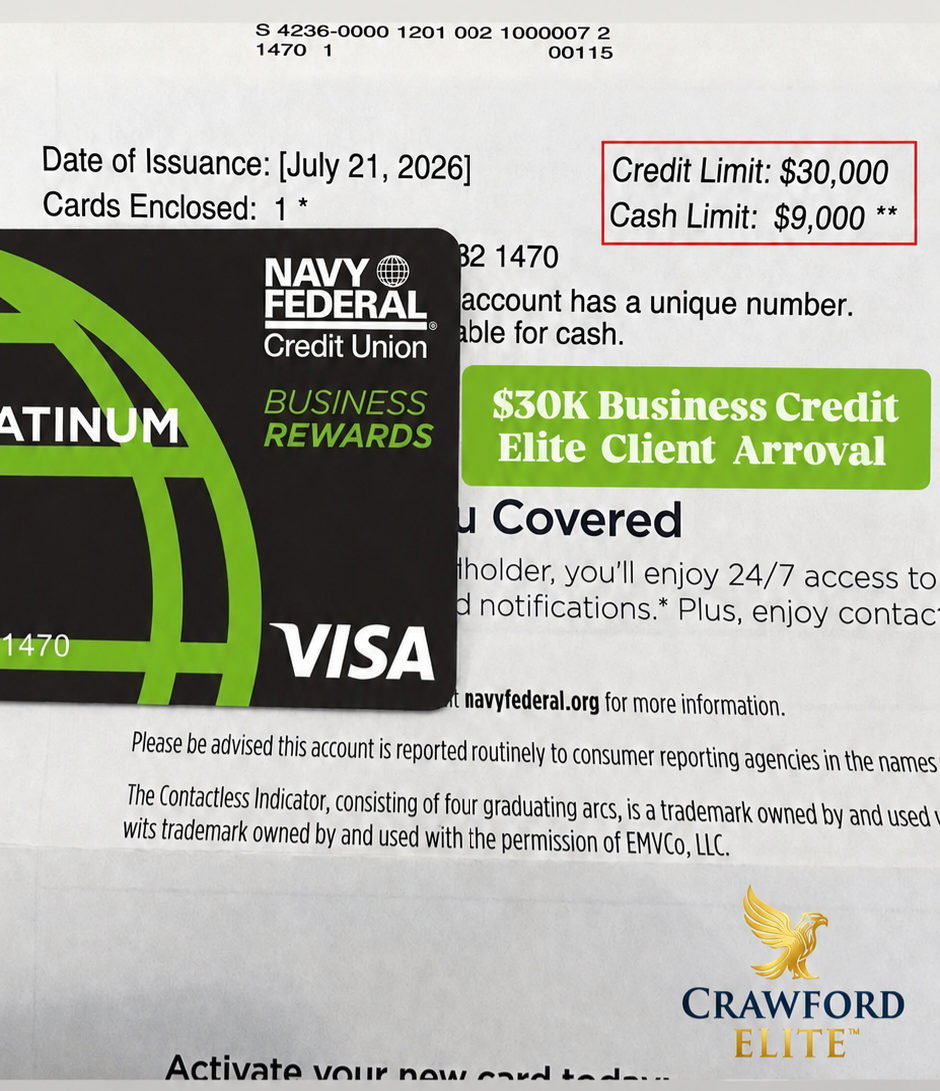
$30,000
Navy Federal Business Platinum
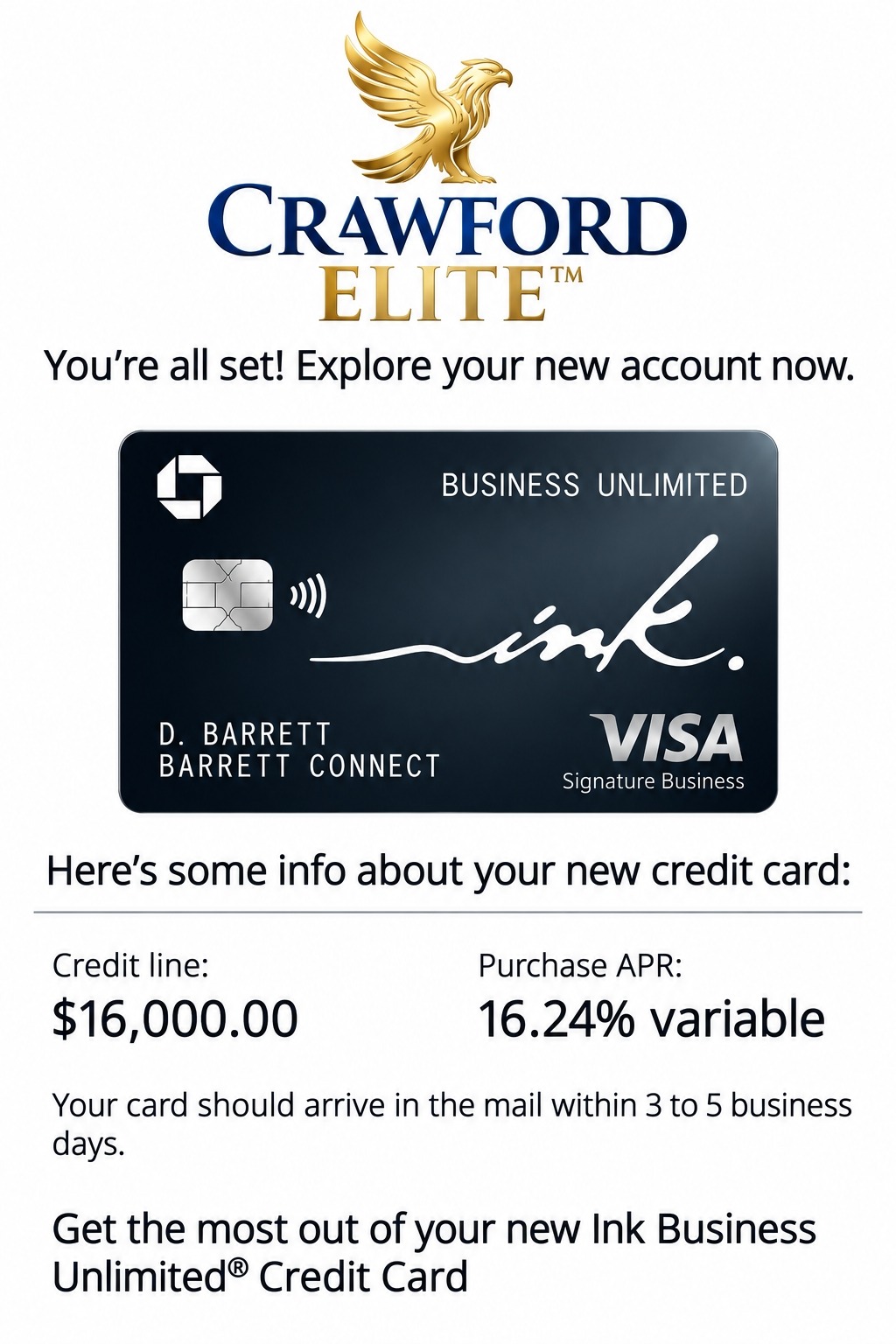
$16,000
Chase Ink Business Unlimited
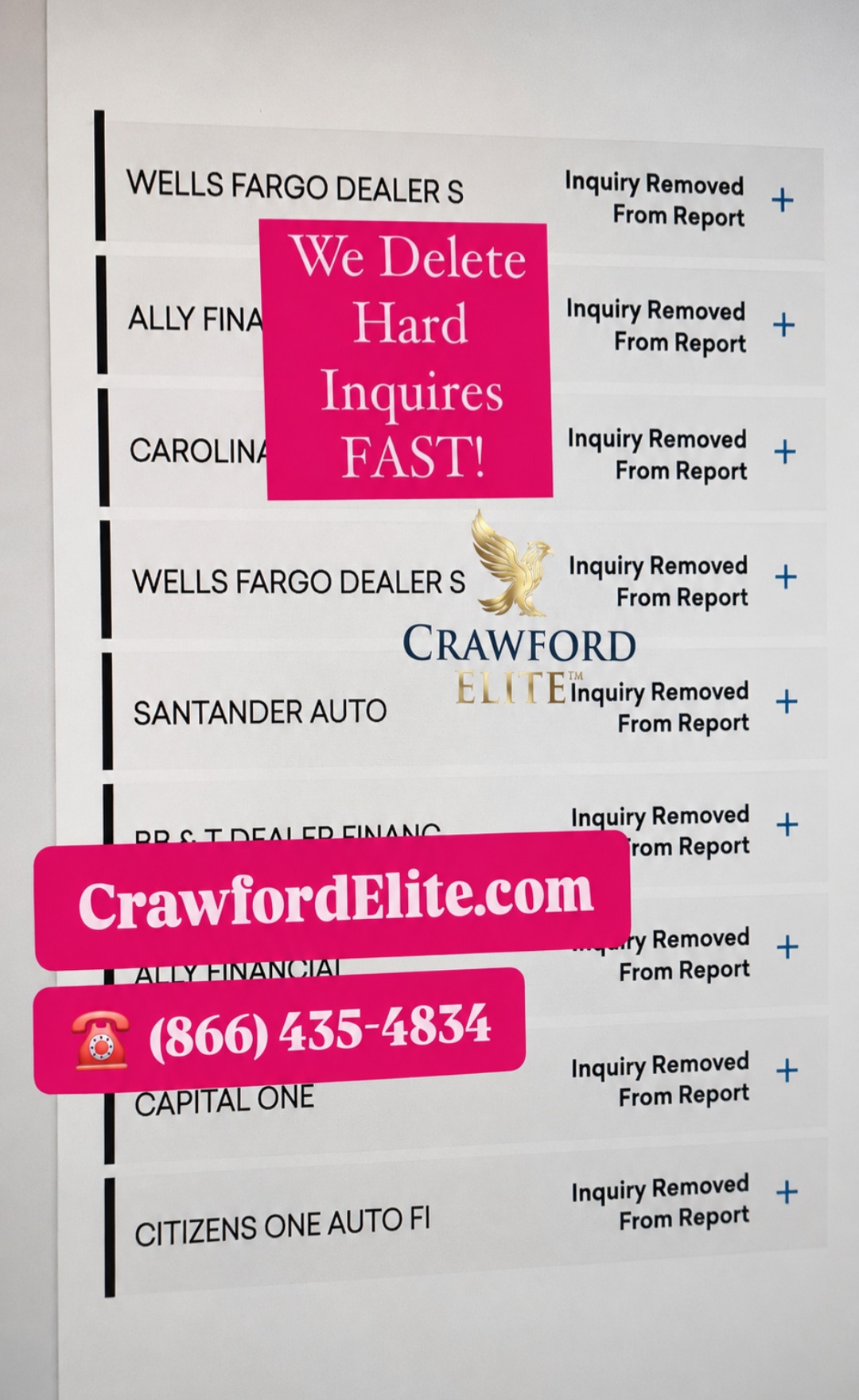
Hard Inquiries Deleted
9 Hard Inquiries Removed
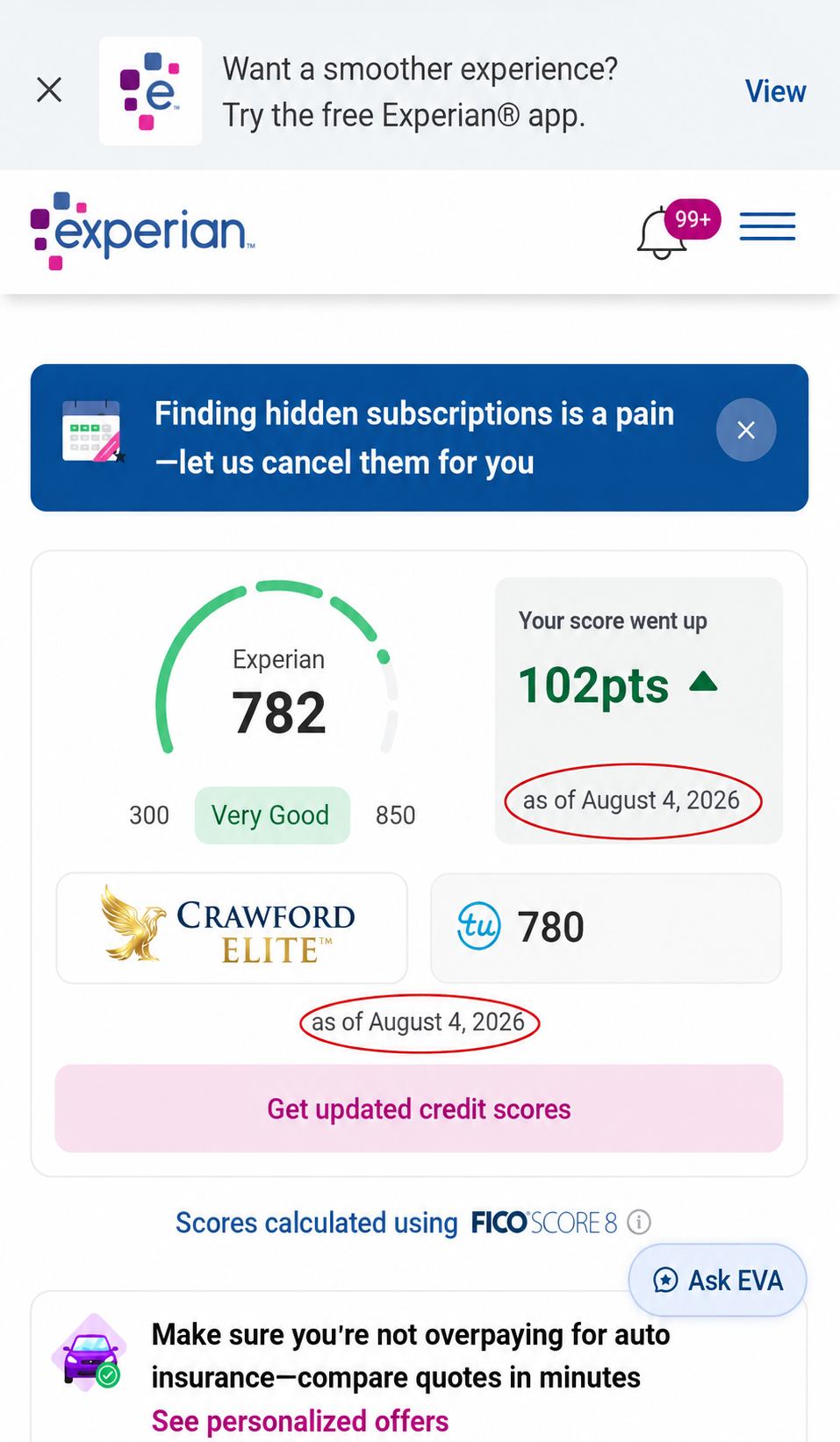
+160 Points
Credit Score Boost Increase
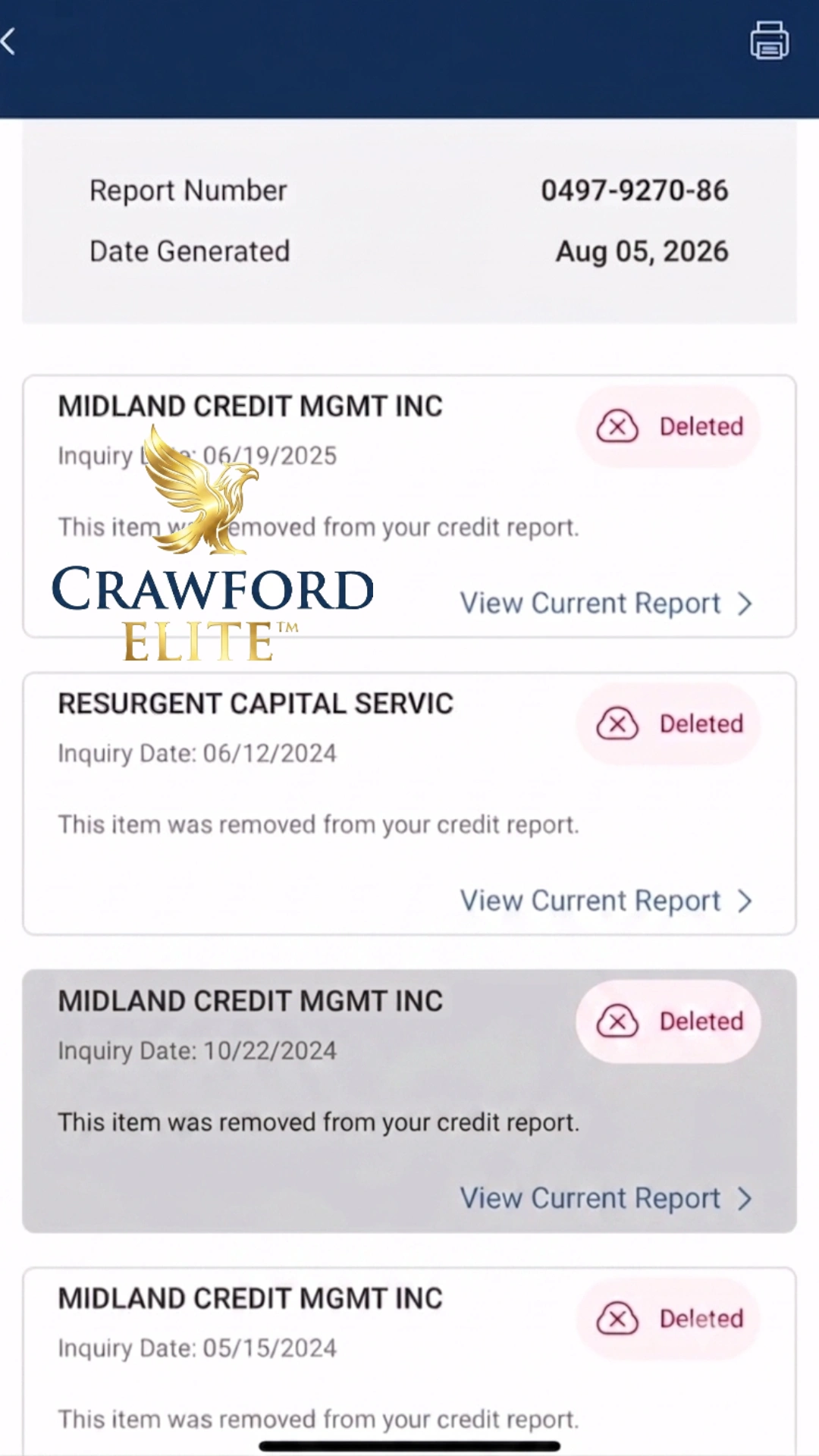
Aggressive Credit Repai
4 Collections Deleted Quickly
Compare an aged shelf corporation with a new LLC across cost, speed, credibility, compliance, credit building, and funding readiness.
The Short Answer
A new LLC is usually the simplest and least expensive choice when the owner has time to establish history. A shelf corporation may fit when verifiable entity age serves a legitimate, time-sensitive business goal. Neither structure creates automatic funding.
The right choice depends on the opportunity, budget, industry, tax plan, state rules, and the owner's ability to build a real operating and credit profile after formation or acquisition.
Where a New LLC Has the Advantage
A new LLC gives the founder a clean start with complete control over formation documents, ownership, tax elections, and operating history. It generally costs less than buying an aged corporation and can be formed in the jurisdiction that best fits the real operation.
It is often the better route for owners who can build patiently, do not face time-in-business requirements, and want a simple governance structure. The tradeoff is that every public record shows a recent formation date.
Where an Aged Shelf Corporation Has the Advantage
A shelf corporation provides an older formation date immediately. That age may help with vendor onboarding, contract eligibility, leases, or financing programs that screen for minimum time in business before considering the rest of the file.
The advantage is most useful when paired with a clean history and a complete transition. Browse Crawford Elite's aged shelf corporations for sale to compare formation years, jurisdictions, and stated funding potential.
Cost, Speed, and Risk Compared
A new entity costs less upfront but requires time to age. An aged entity costs more because time cannot be recreated, yet it requires deeper due diligence. Buyers must verify status, taxes, liens, lawsuits, ownership, banking, and commercial credit records before closing.
Speed should not become haste. A poorly documented aged corporation can create more delay than a new LLC. Professional legal and tax advice is especially important when ownership crosses state lines or the business will use a different tax classification.
How Each Path Builds Business Credit
Both paths need the same operational basics: consistent records, a business bank account, appropriate licenses, a credible online presence, vendor relationships, on-time payments, manageable utilization, and accurate commercial bureau files.
Entity age can open a door, but reporting and financial performance determine what happens next. Learn how Crawford Elite structures the business credit ladder after the entity is ready.
Which One Should You Choose?
Choose a new LLC when cost and clean-slate control matter more than immediate age. Consider a shelf corporation when an older formation date has a specific, lawful business use and the budget includes due diligence and post-transfer setup.
If you are comparing paths, review the available programs and pricing, then request a consultation. The goal is not to buy the oldest entity—it is to choose the structure that supports a credible, sustainable business.
Sources & Further Reading
Every claim on this page can be checked against these federal agencies, regulators, credit bureaus, universities, research bodies, banks, and national business publications.
- Google Business ProfileA listed, verifiable business presence supports identity checks.
- Staples BusinessOffice supply accounts commonly used as early tradelines.
- Urban Institute — Financial Health DataDebt-in-collections and credit health data by county.
- IRS — Business StructuresTax treatment differences between corporations, LLCs, and S-corps.
- U.S. Courts — Find a Federal CourtWhere FCRA and FDCPA claims are filed.
- SEC — Small Business Capital Raising HubExempt offerings, investor rules, and disclosure basics.
- FDIC — Deposit Insurance for Business AccountsHow coverage applies to corporate and LLC accounts.
- IRS — Small Business and Self-Employed Tax CenterFederal tax obligations for corporations and LLCs.
- GSA — Doing Business with the GovernmentFederal procurement path for revenue growth.
- LinkedIn for Small BusinessB2B visibility that supports business verification too.
- Inc. — FinanceReporting on how founders fund and scale.
- Consumer Financial Protection BureauRegulator resources, complaint portal, and consumer research.
- NFCC — Nonprofit Credit CounselingNonprofit counseling network for budgeting and debt management plans.
- Navy Federal — Business SolutionsBusiness cards and lines for eligible members.
- Federal Trade Commission — Business GuidanceAdvertising, credit, and privacy rules that apply to businesses.
- Coursera — Business Finance CoursesUniversity-taught finance fundamentals.
- Equifax Business Credit ReportsThe third major commercial bureau in a complete business credit file.
- WEX — Fleet Fuel CardsFleet card provider used for the fuel tier.
- FRED — Federal Reserve Economic DataRates, lending volume, and delinquency series you can cite.
- FTC — Business Opportunity RuleConsumer-protection rules that surround business purchase claims.
- Cornell LII — Equal Credit Opportunity ActFederal prohibition on credit discrimination.
- FDIC — BankFind SuiteConfirm a lender is a federally insured institution before applying.
- NCUA — Share Insurance EstimatorCoverage checks for credit union business deposits.
- Federation of Tax Administrators — State Tax AgenciesEvery state's revenue department in one directory.
Verify Your Entity in Your Own State
We serve business owners nationwide. Look up filings, name availability, and good-standing status with your state's official business filing office.
- Alabama
- Alaska
- Arizona
- Arkansas
- California
- Colorado
- Connecticut
- Delaware
- District of Columbia
- Florida
- Georgia
- Hawaii
- Idaho
- Illinois
- Indiana
- Iowa
- Kansas
- Kentucky
- Louisiana
- Maine
- Maryland
- Massachusetts
- Michigan
- Minnesota
- Mississippi
- Missouri
- Montana
- Nebraska
- Nevada
- New Hampshire
- New Jersey
- New Mexico
- New York
- North Carolina
- North Dakota
- Ohio
- Oklahoma
- Oregon
- Pennsylvania
- Rhode Island
- South Carolina
- South Dakota
- Tennessee
- Texas
- Utah
- Vermont
- Virginia
- Washington
- West Virginia
- Wisconsin
- Wyoming
More Trusted Reading
Additional national resources for owners building credit, capital, and compliance in any state.
- U.S. Small Business AdministrationFederal small business programs, guidance, and local assistance.
- Khan Academy — Personal and Business FinanceFree foundational lessons on credit and interest.
- Entrepreneur — Money & FinancePractical funding coverage for owners.
- Data.gov — Open Government DataRaw federal datasets, including SBA loan-level data.
- LawHelp.org — Free Legal Aid by StateState-specific legal aid for debt and credit issues.
- Federation of Tax Administrators — State Tax AgenciesEvery state's revenue department in one directory.
- DOL — Hiring ComplianceFederal rules for your first employees.
- Bing Webmaster ToolsSecond search engine index and diagnostics.
- Equifax Business Credit ReportsThe third major commercial bureau in a complete business credit file.
- U.S. Courts — Bankruptcy BasicsHow Chapter 7 and 13 filings report and age off.
- USPTO — Trademark SearchConfirm the entity name is not colliding with a registered mark.
- Grants.gov — Federal Grant SearchThe single federal portal for grant opportunities.
- Capital One — Business Credit CardsSpark card terms and qualification details.
- Macy's CreditRetail account terms for the store tier.
- Office of the Comptroller of the CurrencyPrimary regulator for national banks and their lending.
- U.S. Bank — Business BankingChecking, lending, and treasury tools.