
Clean Shelf Corporation Checklist: 12 Checks Before You Buy
Verified Proof
Recent Client Results
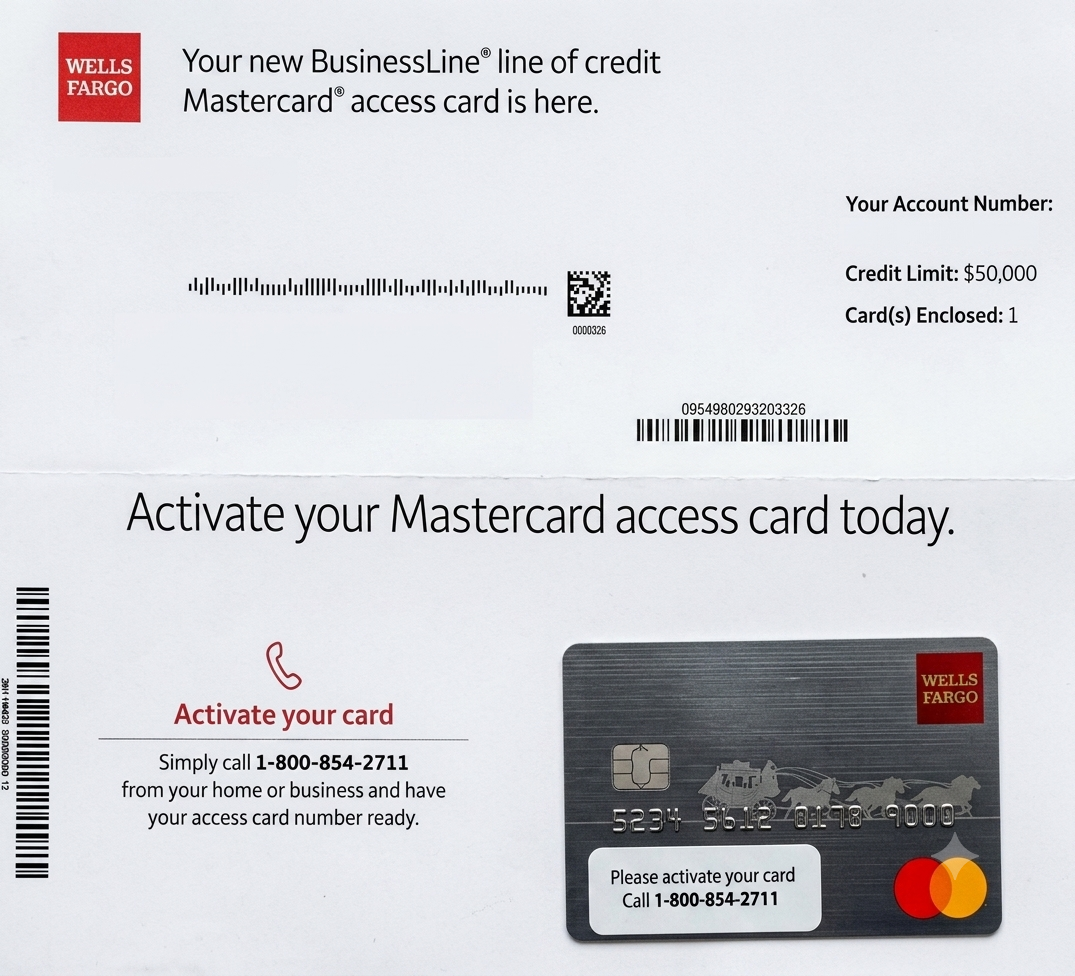
$50,000
Business Line of Credit
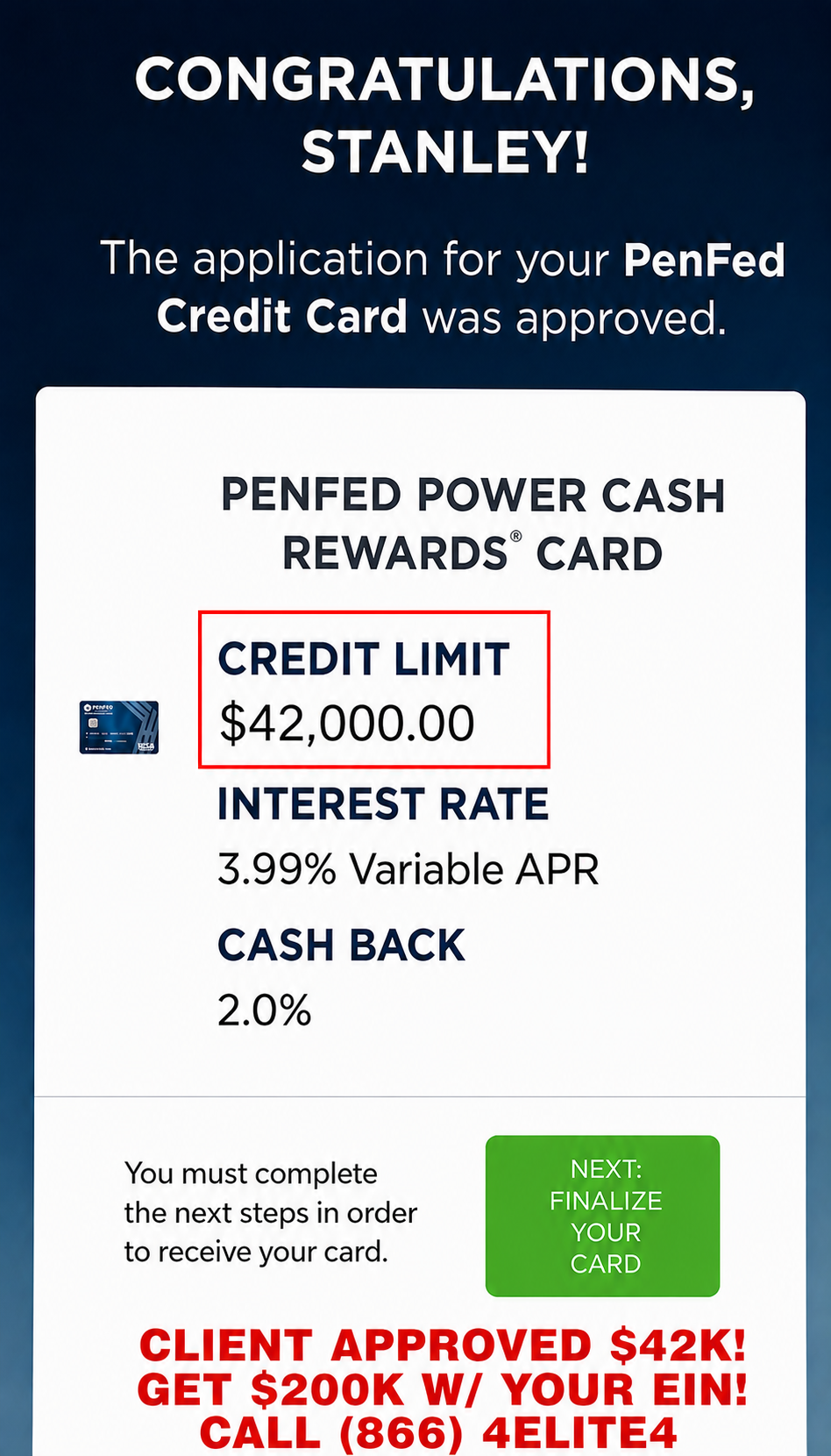
$42,000
PenFed Business Card
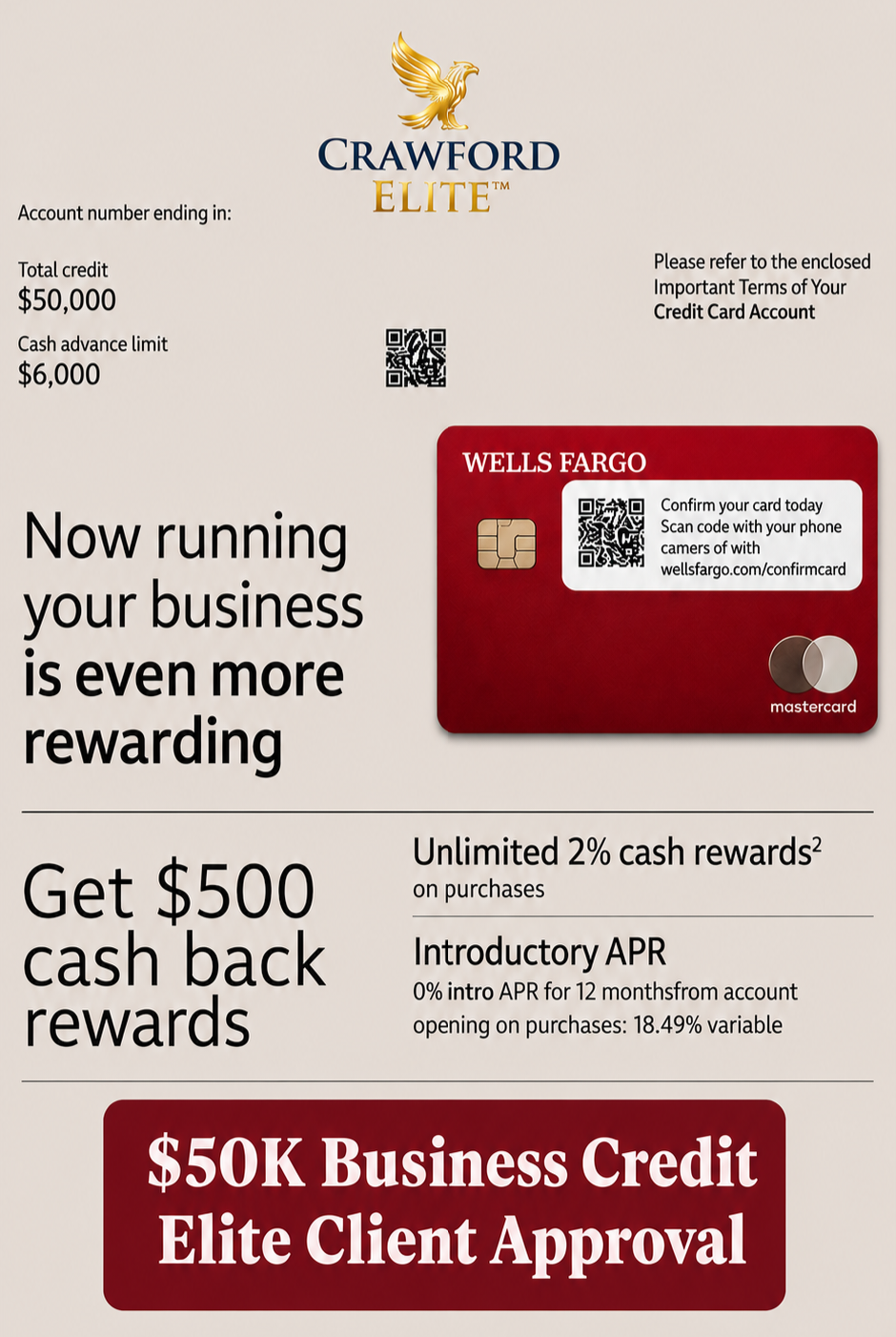
$50,000
Wells Fargo Business Card
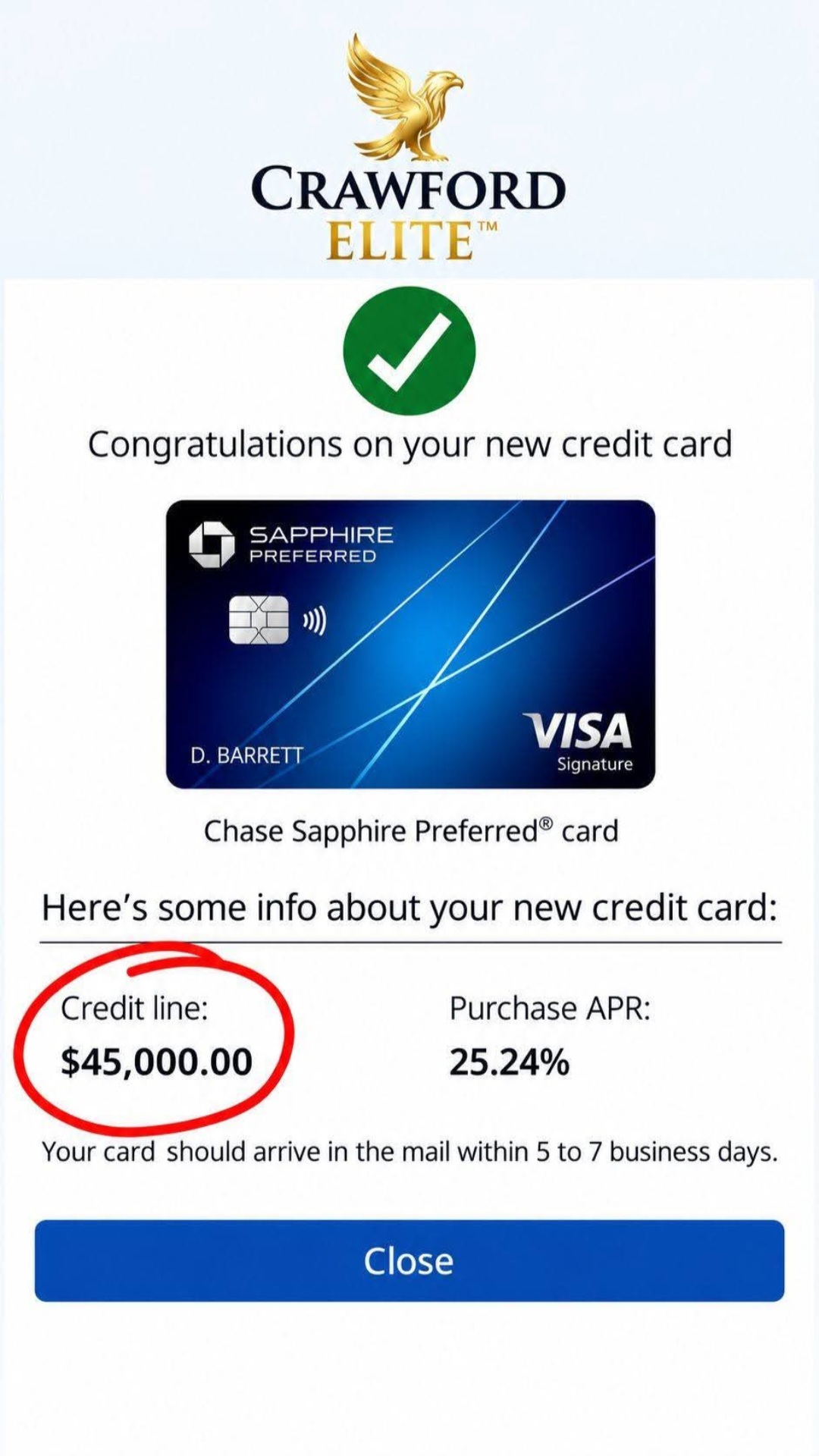
$45,000
Chase Sapphire Preferred

$100,000
American Express Business
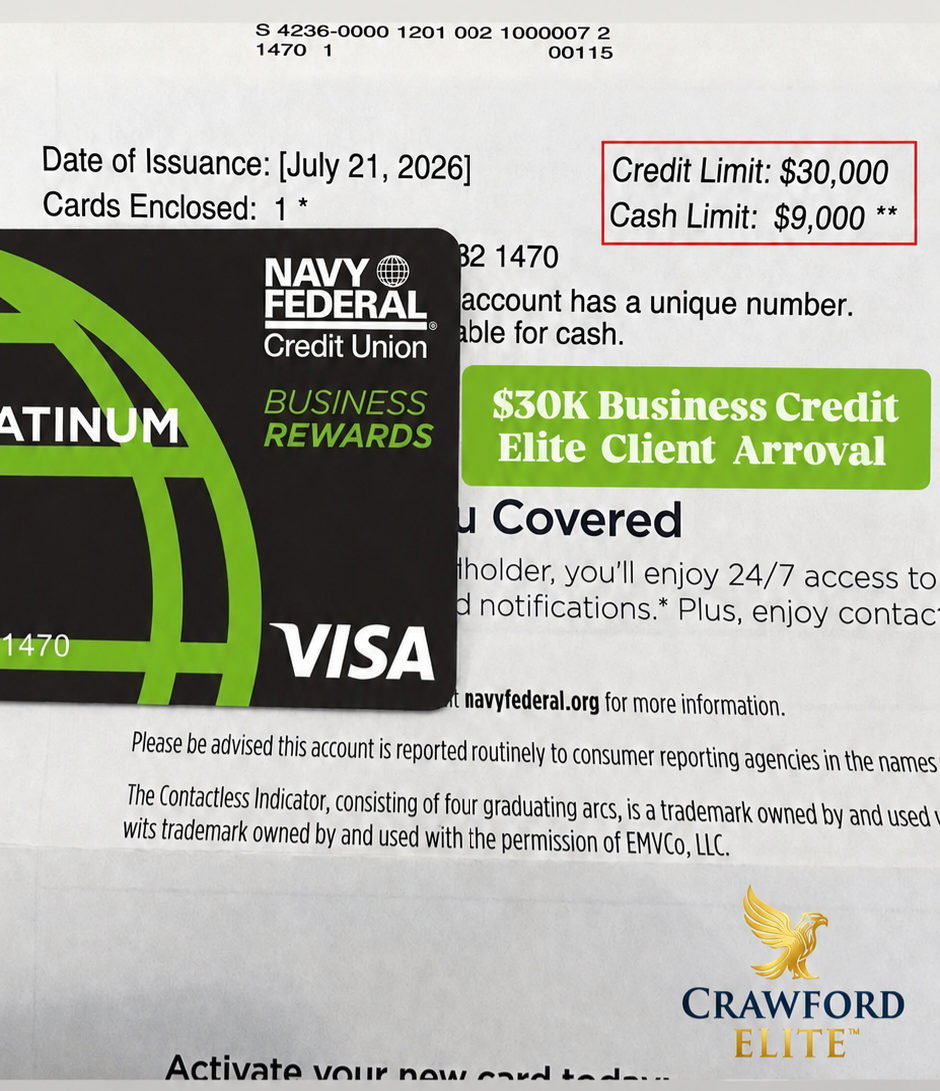
$30,000
Navy Federal Business Platinum
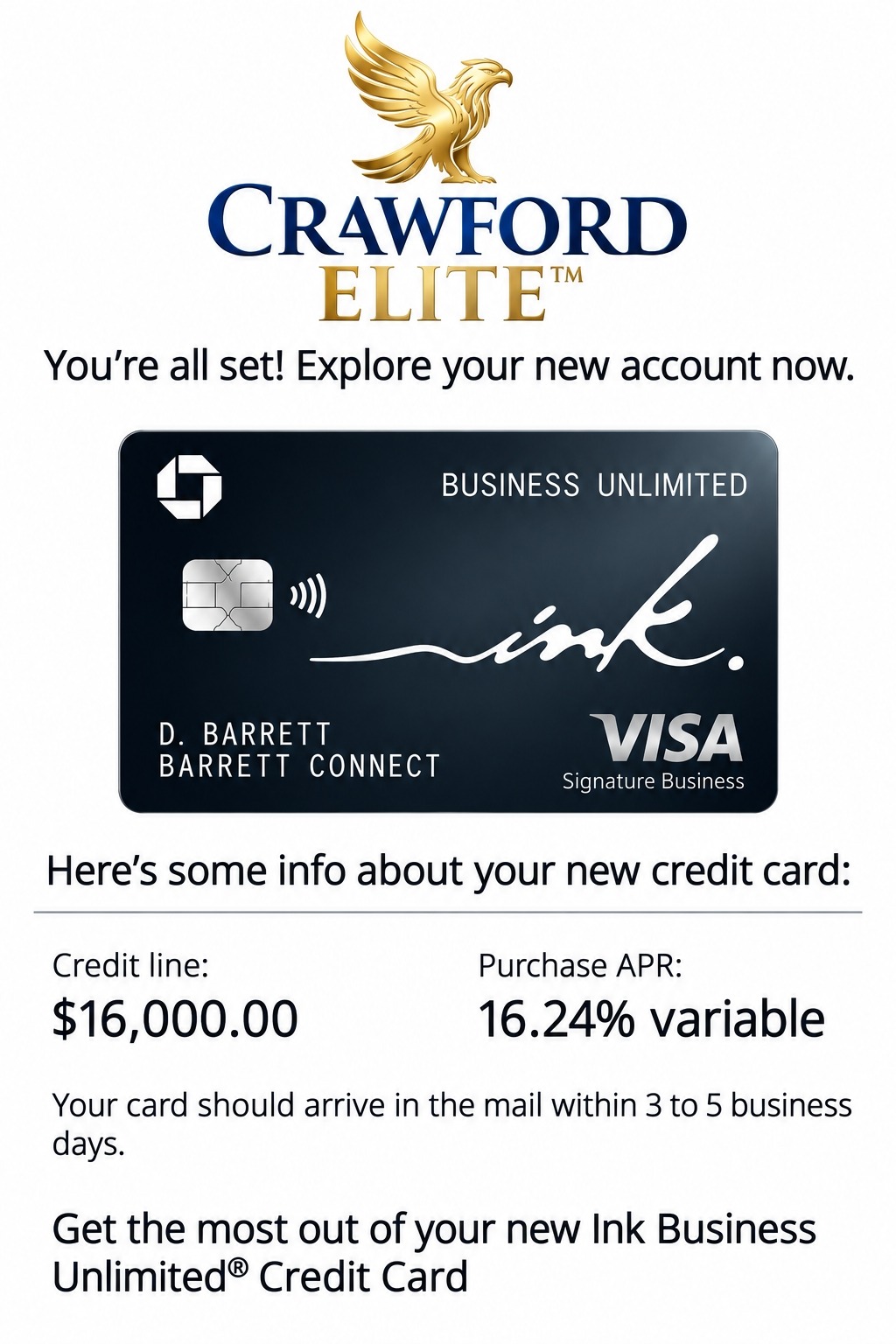
$16,000
Chase Ink Business Unlimited
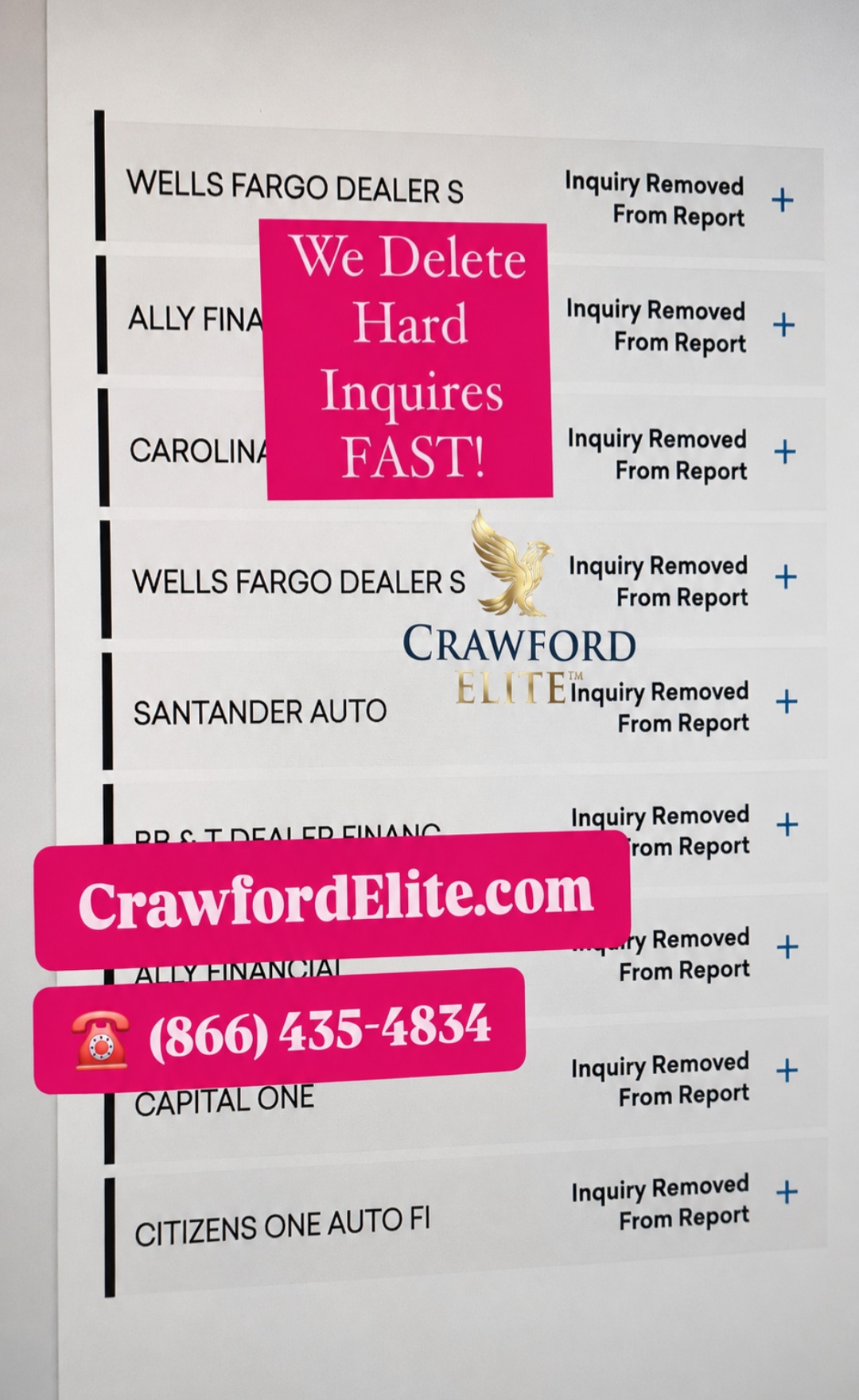
Hard Inquiries Deleted
9 Hard Inquiries Removed
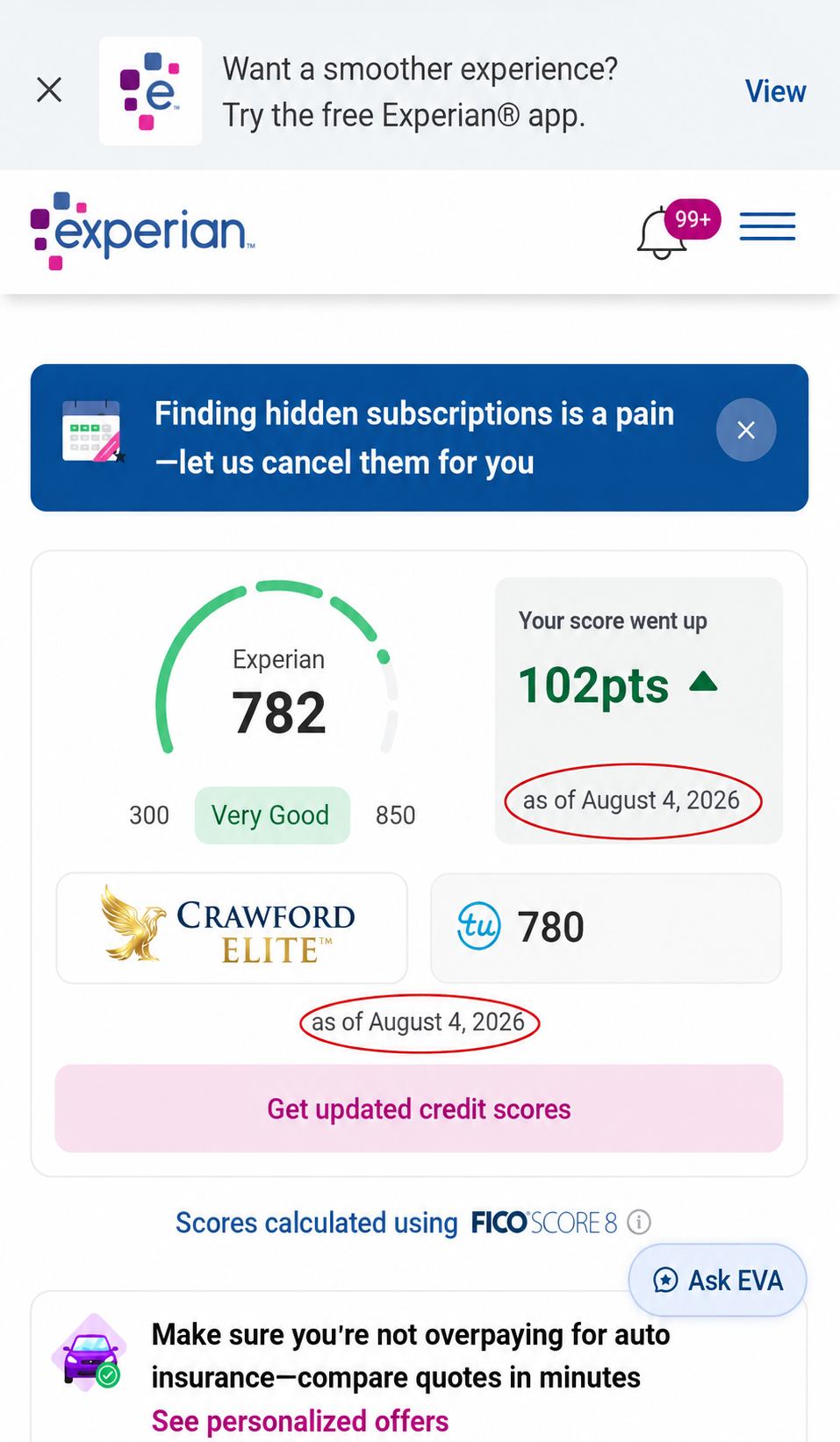
+160 Points
Credit Score Boost Increase
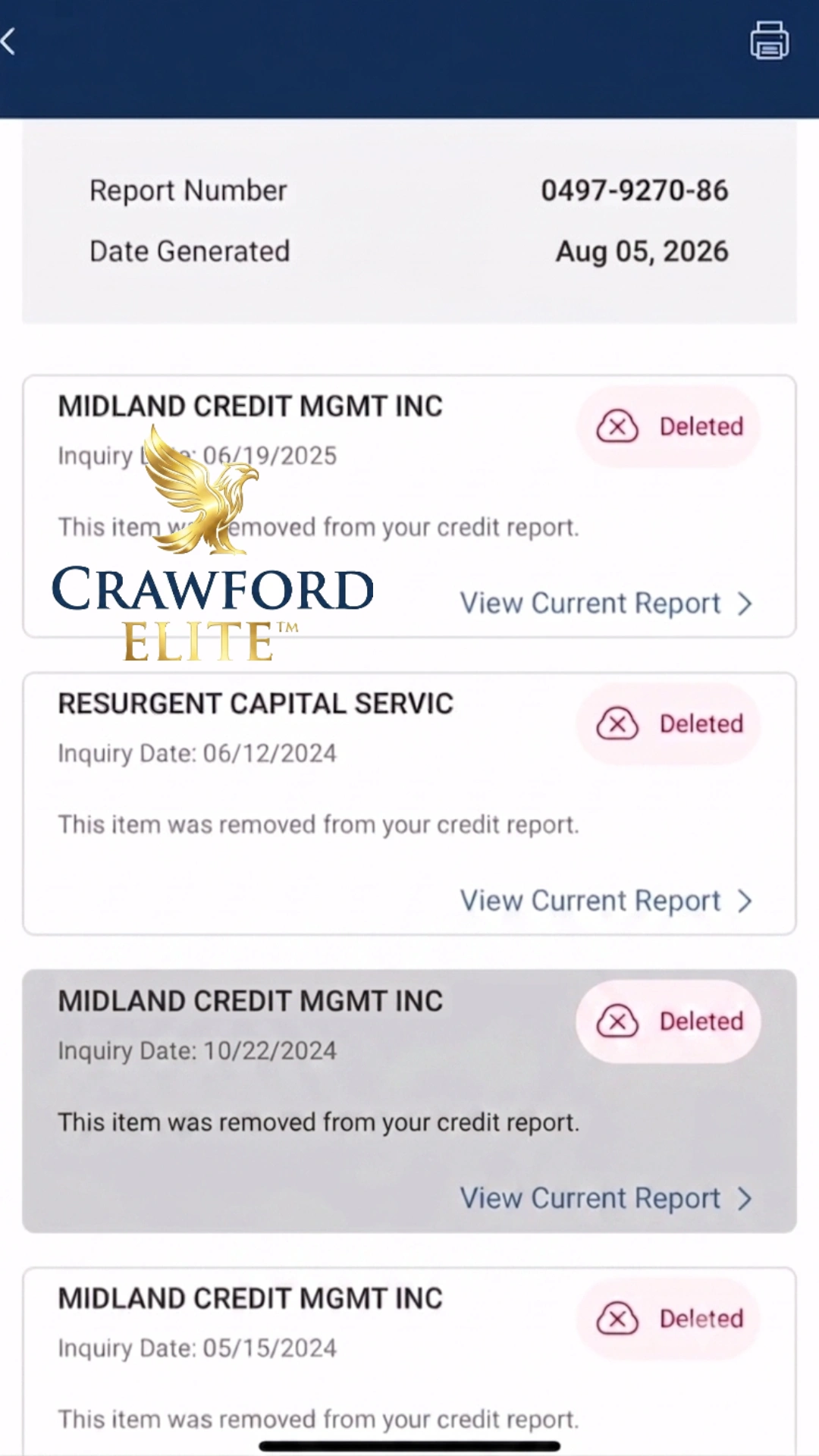
Aggressive Credit Repai
4 Collections Deleted Quickly
Use this 12-point due-diligence checklist to examine standing, ownership, liens, lawsuits, taxes, banking history, and records before buying.
What Does a Clean Shelf Corporation Mean?
A clean shelf corporation should have a transparent formation record, a documented chain of ownership, no undisclosed operating activity, and no hidden liabilities. Clean does not mean invisible. It means the records are complete enough for a buyer and professional advisers to verify what the entity has—and has not—done.
Due diligence matters because purchasing the corporation means taking control of the legal entity. A low price is not a bargain if the company carries tax problems, judgments, contracts, debts, or inaccurate filings.
Checks 1–3: State Status, Formation Documents, and Ownership
First, search the Secretary of State record in the formation jurisdiction. Confirm the exact legal name, formation date, entity number, current status, registered agent, and filing history. Obtain certified formation documents when appropriate.
Second, review bylaws, incorporator actions, board resolutions, stock ledger, certificates, and transfer instruments. Third, confirm every prior owner and authorized signer. Gaps in the chain of title can create banking and control problems later. Compare your options in Crawford Elite's shelf corporation inventory.
Checks 4–6: Taxes, Liens, and Litigation
Request evidence of tax standing and determine whether returns were required in prior years. Search federal and state tax lien records where available. A good-standing certificate alone may not reveal every tax obligation.
Search UCC filings for secured interests in company assets, then check federal, state, and local court records for lawsuits and judgments. Verify whether the corporation has ever signed leases, guarantees, merchant agreements, or vendor contracts. Have a qualified attorney or accountant review issues outside your expertise.
Checks 7–9: EIN, Bank History, and Commercial Credit
Confirm how the EIN was obtained and whether the responsible-party information can be updated through the proper process. Review any prior bank relationship and ask whether accounts were ever overdrawn, charged off, restricted, or closed for cause.
Pull available commercial credit reports. Look for unfamiliar tradelines, collections, inquiries, addresses, industries, and payment experiences. A truly inactive shelf company may have little or no commercial credit history; that is different from having a mature positive credit file.
Checks 10–12: Licenses, Contracts, and Seller Representations
Check whether old licenses, assumed names, websites, phone numbers, merchant accounts, or contracts remain attached to the entity. Verify that none will accidentally transfer or create confusion after closing.
Require written seller representations covering debts, taxes, lawsuits, contracts, employees, assets, banking, and prior activity. Make the purchase agreement explain remedies if those statements are false. Then use a documented closing process rather than an informal handoff.
What to Do Immediately After the Purchase
Update officers, directors, shareholders, registered agent, addresses, beneficial ownership information when applicable, EIN responsible-party records, licenses, insurance, and banking authority. Keep signed resolutions and transfer documents together in a permanent corporate record book.
After compliance is complete, begin the business credit building process rather than applying everywhere at once. For help evaluating inventory and next steps, contact Crawford Elite.
The Safest Buying Rule
Buy documented age, not a story. A credible seller should be comfortable with verification and should never suggest that the entity includes guaranteed credit, fabricated revenue, or another person's business history.
Crawford Elite's program pricing helps you compare the cost of acquiring an aged entity with the separate cost of building a fundable profile.
Sources & Further Reading
Every claim on this page can be checked against these federal agencies, regulators, credit bureaus, universities, research bodies, banks, and national business publications.
- USPTO — Trademark BasicsProtect the name your credit file is built on.
- LinkedIn for Small BusinessB2B visibility that supports business verification too.
- IRS — Business Expenses (Publication 535)What is deductible, including interest on business credit.
- FTC — Fair Credit Reporting Act (full text)The federal law governing accuracy, disputes, and reinvestigation duties.
- U.S. Courts — Find a Federal CourtWhere FCRA and FDCPA claims are filed.
- Cornell LII — Corporations (Wex)Neutral legal reference on corporate formation and governance.
- Lowe's — Business Credit AccountsBusiness account options for trade and supply purchases.
- Federal Reserve BoardMonetary policy and bank supervision affecting credit availability.
- Pew Research CenterIndependent research on household and business finances.
- Federal Reserve — Payments SystemACH, wire, and FedNow rails your business relies on.
- MIT OpenCourseWare — EntrepreneurshipUniversity-level coursework, free and citable.
- The Wall Street Journal — Small BusinessNational reporting on credit conditions.
- IRS — Small Business Tax CenterFederal tax obligations for corporations and LLCs.
- Creditsafe — Business Credit ReportsAn additional commercial bureau many suppliers pull before extending terms.
- FDIC — BankFind SuiteConfirm a lender is a federally insured institution before applying.
- Visa — Small Business ResourcesNetwork-level acceptance and payment resources.
- SBA — 10 Steps to Start Your BusinessFederal checklist from formation through funding.
- Bing Webmaster ToolsSecond search engine index and diagnostics.
- VantageScore — How Scoring WorksThe second major scoring model used by many card issuers.
- Cornell LII — Equal Credit Opportunity ActFederal prohibition on credit discrimination.
- SEC EDGAR — Company SearchPublic filing history checks for entity due diligence.
- UlineIndustrial supplier widely used for net-30 style accounts.
- State Attorneys General DirectoryFile a state-level complaint wherever your business is located.
- Bureau of Labor Statistics — Business Employment DynamicsSurvival rates and job creation data for new firms.
Verify Your Entity in Your Own State
We serve business owners nationwide. Look up filings, name availability, and good-standing status with your state's official business filing office.
- Alabama
- Alaska
- Arizona
- Arkansas
- California
- Colorado
- Connecticut
- Delaware
- District of Columbia
- Florida
- Georgia
- Hawaii
- Idaho
- Illinois
- Indiana
- Iowa
- Kansas
- Kentucky
- Louisiana
- Maine
- Maryland
- Massachusetts
- Michigan
- Minnesota
- Mississippi
- Missouri
- Montana
- Nebraska
- Nevada
- New Hampshire
- New Jersey
- New Mexico
- New York
- North Carolina
- North Dakota
- Ohio
- Oklahoma
- Oregon
- Pennsylvania
- Rhode Island
- South Carolina
- South Dakota
- Tennessee
- Texas
- Utah
- Vermont
- Virginia
- Washington
- West Virginia
- Wisconsin
- Wyoming
More Trusted Reading
Additional national resources for owners building credit, capital, and compliance in any state.
- SBA — Local Assistance FinderFind in-person help in your own state, not just Texas.
- Stanford Graduate School of Business — InsightsAcademic insight on capital, pricing, and strategy.
- The Wall Street Journal — Small BusinessNational reporting on credit conditions.
- Pew Research CenterIndependent research on household and business finances.
- DOL — Hiring ComplianceFederal rules for your first employees.
- Google Search ConsoleTrack how your site performs in Google Search.
- SAM.gov — Federal Entity RegistrationRegister your entity for federal contracting; also validates business identity data.
- USA.gov — Credit Reports and ScoresGovernment hub for reports, disputes, and freeze rights.
- USPTO — Trademark SearchConfirm the entity name is not colliding with a registered mark.
- Grants.gov — Federal Grant SearchThe single federal portal for grant opportunities.
- Navy Federal — Business SolutionsBusiness cards and lines for eligible members.
- Macy's CreditRetail account terms for the store tier.
- CFPB — Small Business Lending Data (1071)The rule bringing transparency to small business lending decisions.
- FDIC — Deposit Insurance for Business AccountsHow coverage applies to corporate and LLC accounts.
- Cornell LII — Uniform Commercial CodeUCC filings and secured-lending fundamentals.
- Federation of Tax Administrators — State Tax AgenciesEvery state's revenue department in one directory.