
Do Shelf Corporations Still Get Funding in 2026?
Verified Proof
Recent Client Results
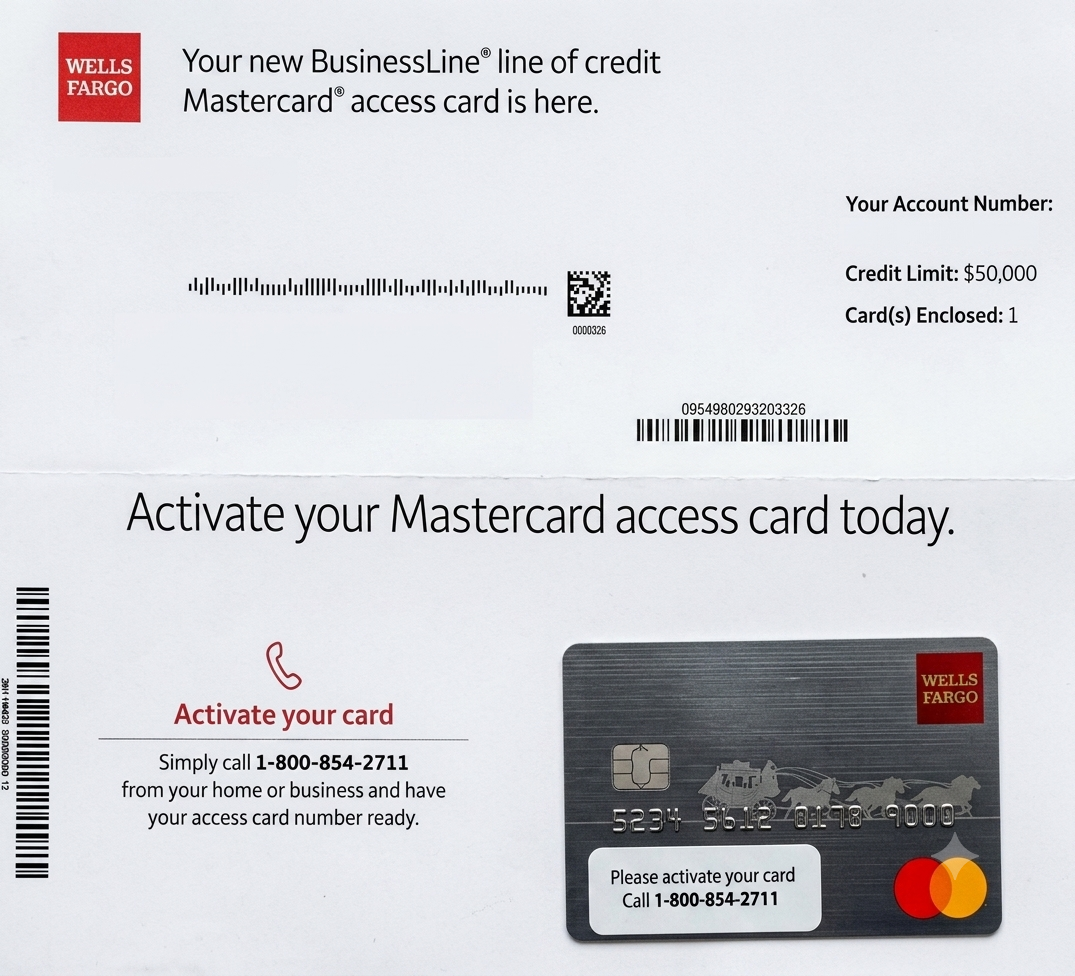
$50,000
Business Line of Credit
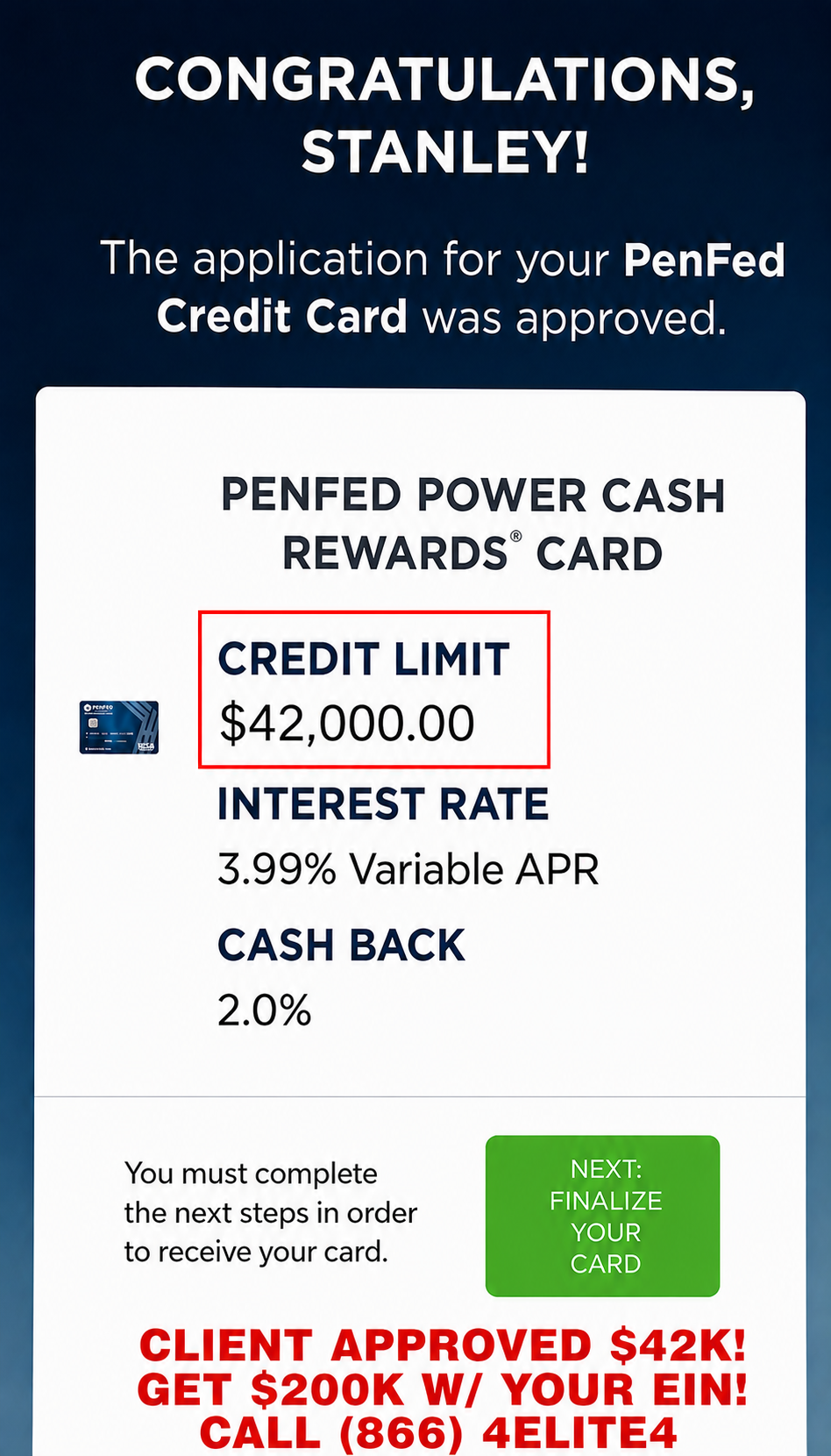
$42,000
PenFed Business Card
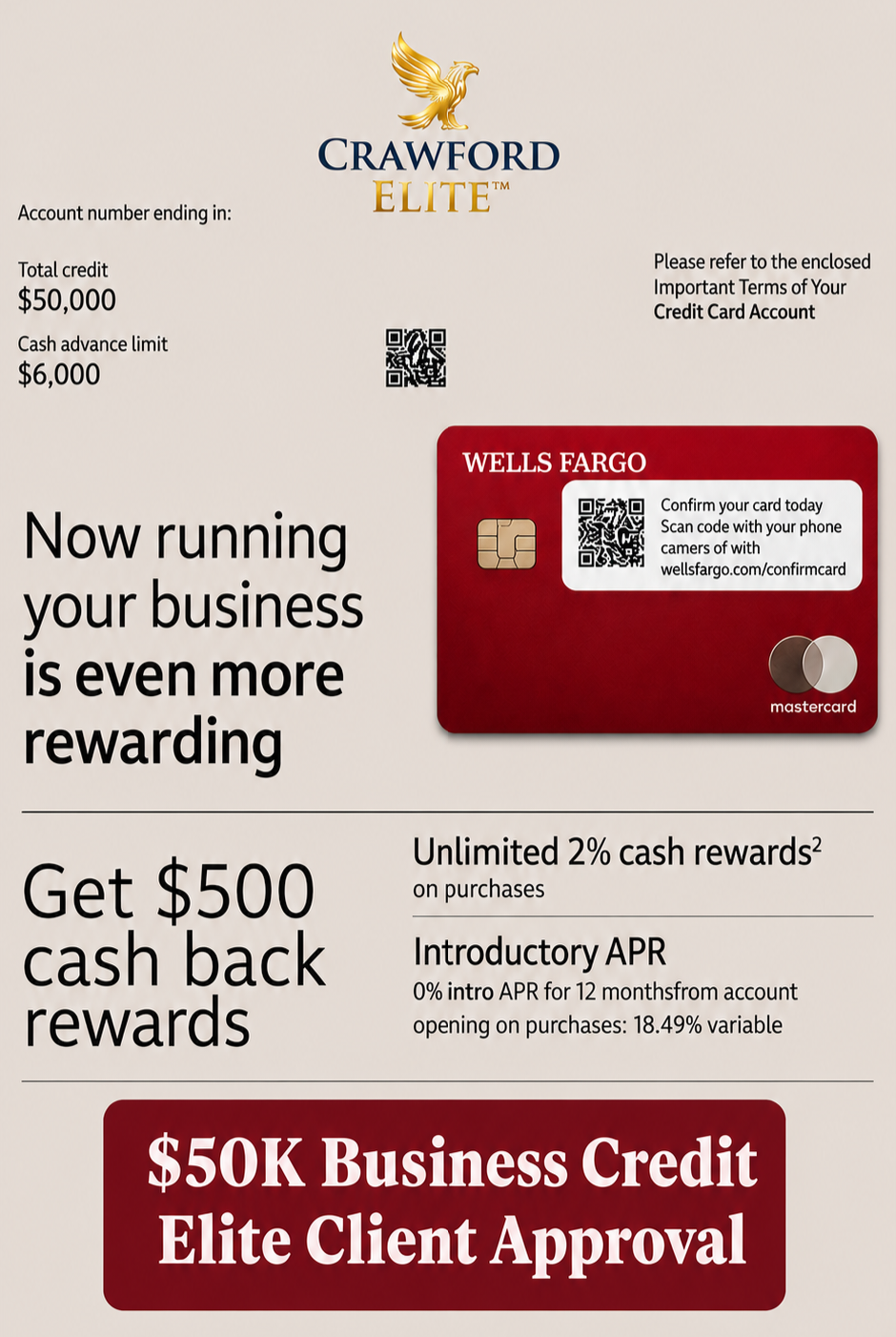
$50,000
Wells Fargo Business Card
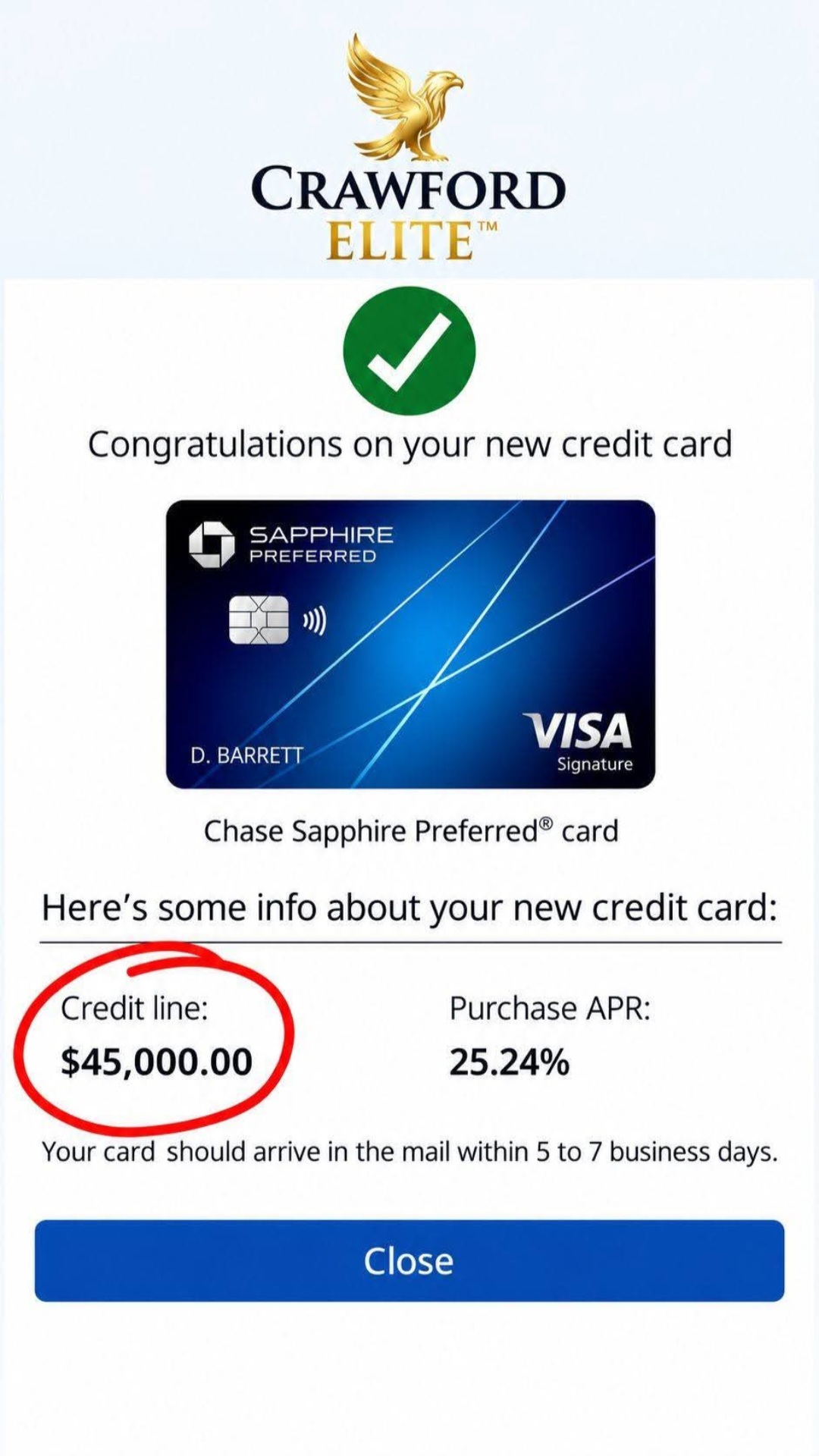
$45,000
Chase Sapphire Preferred
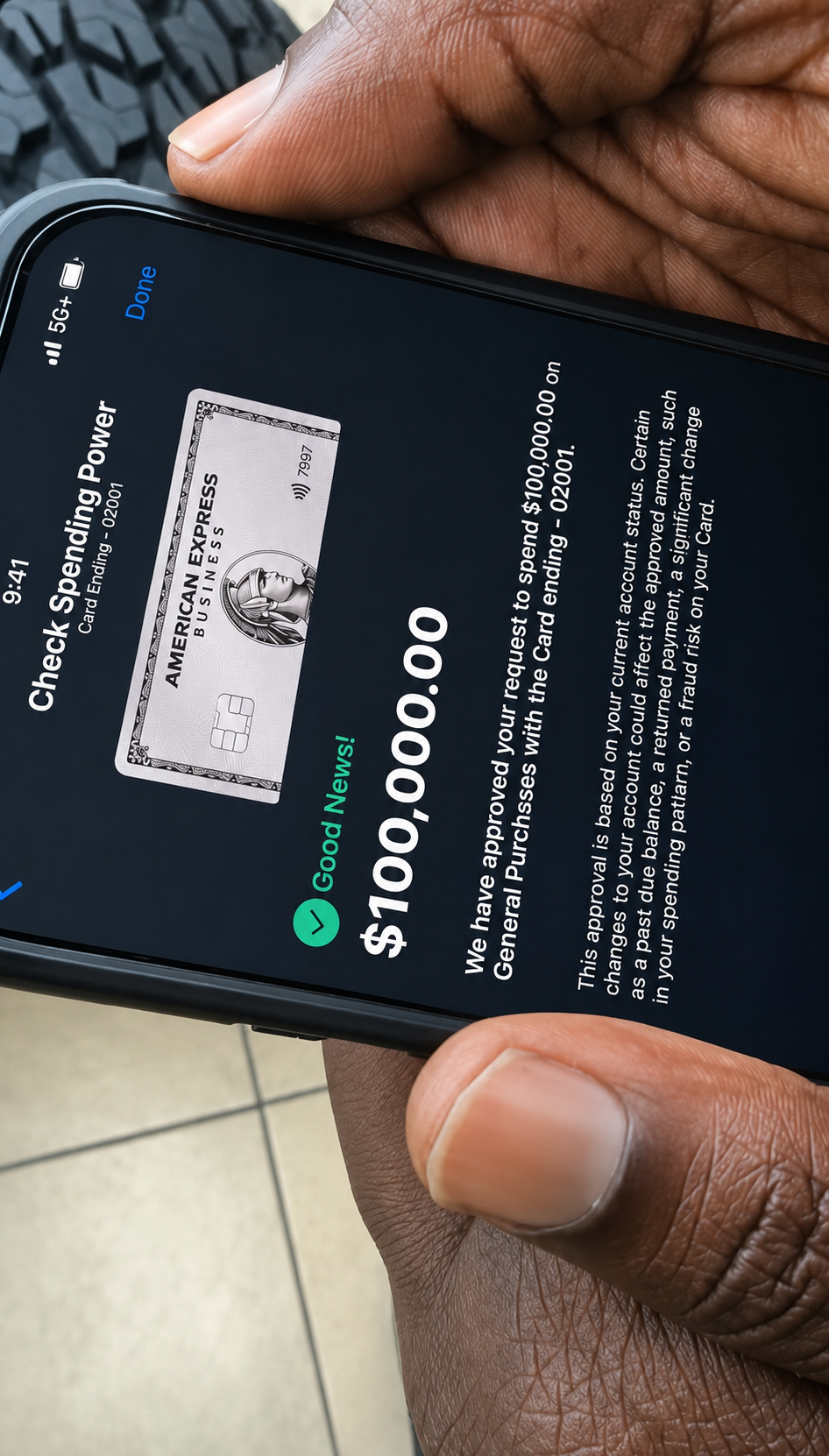
$100,000
American Express Business
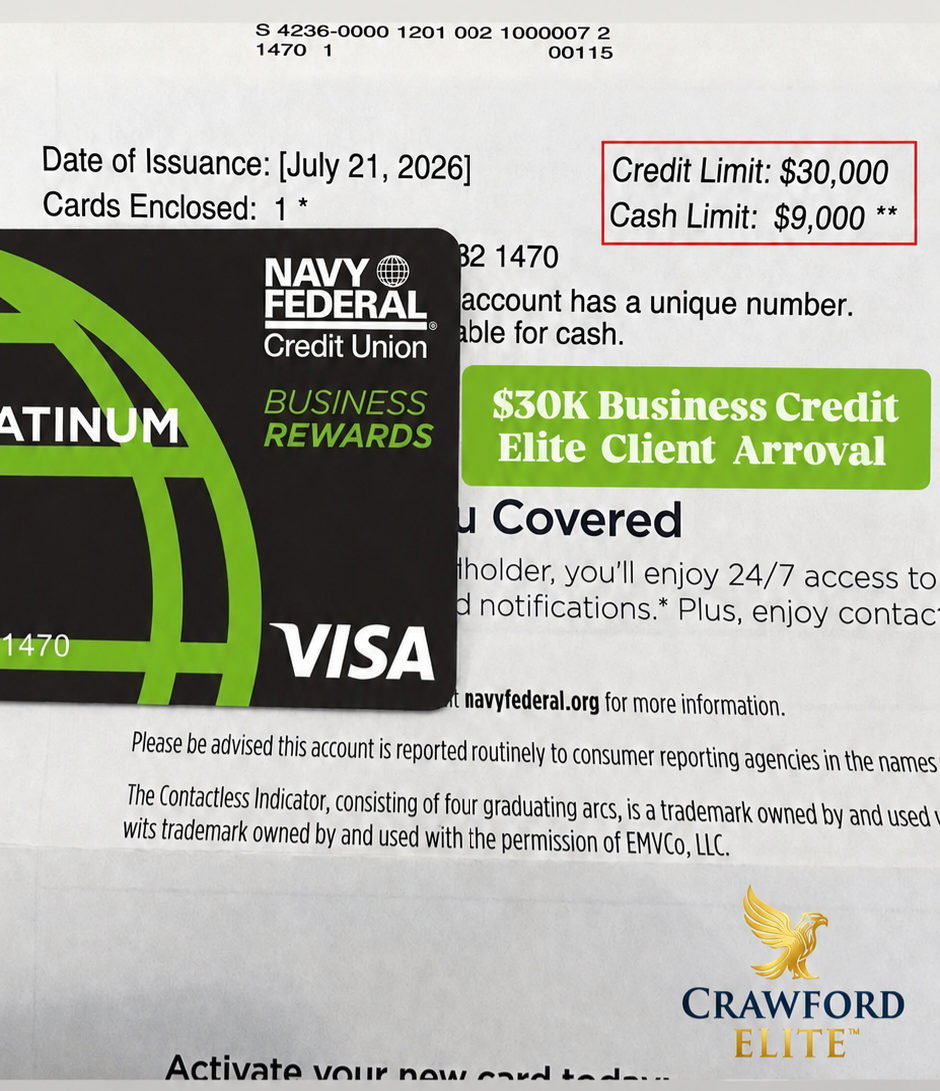
$30,000
Navy Federal Business Platinum
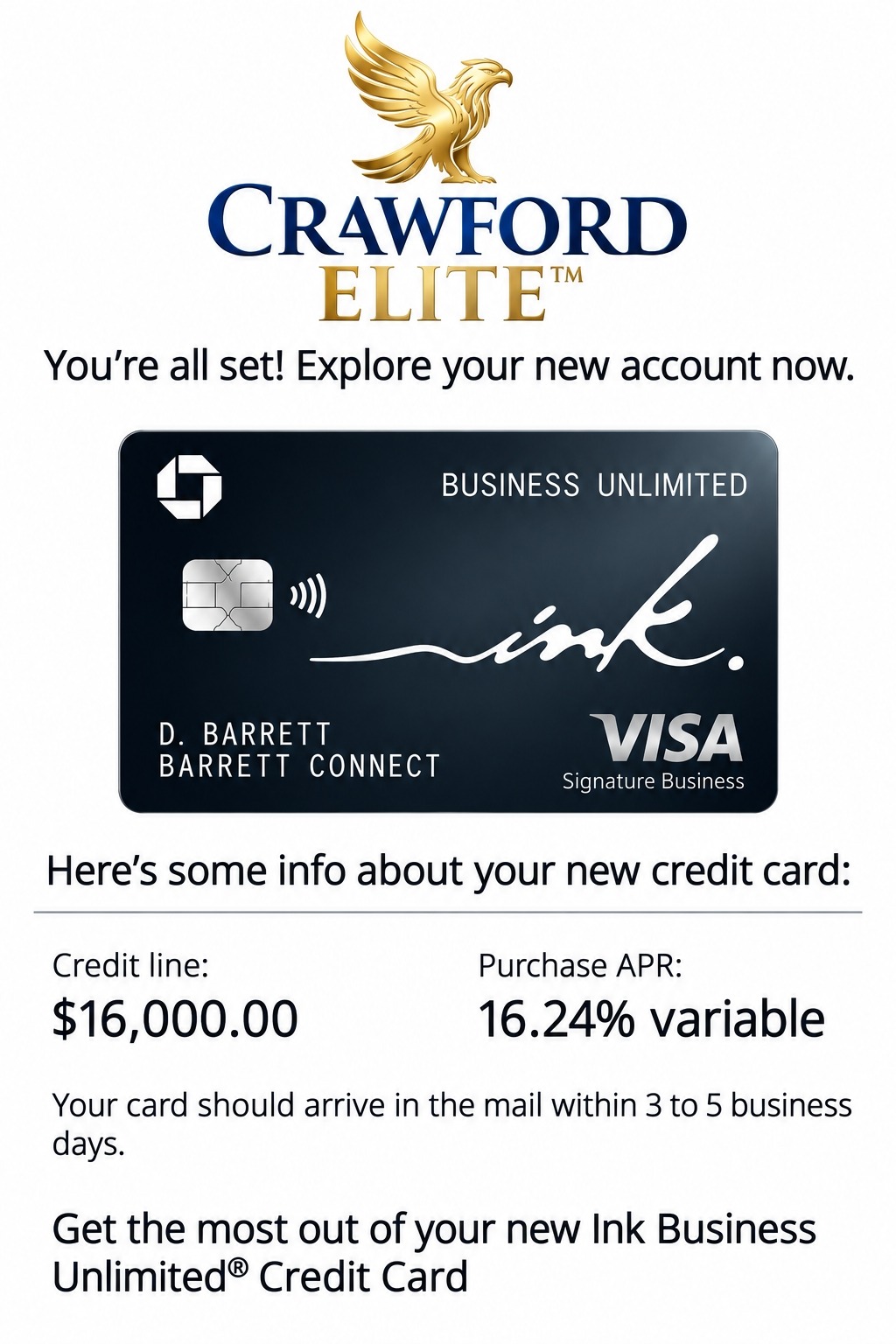
$16,000
Chase Ink Business Unlimited
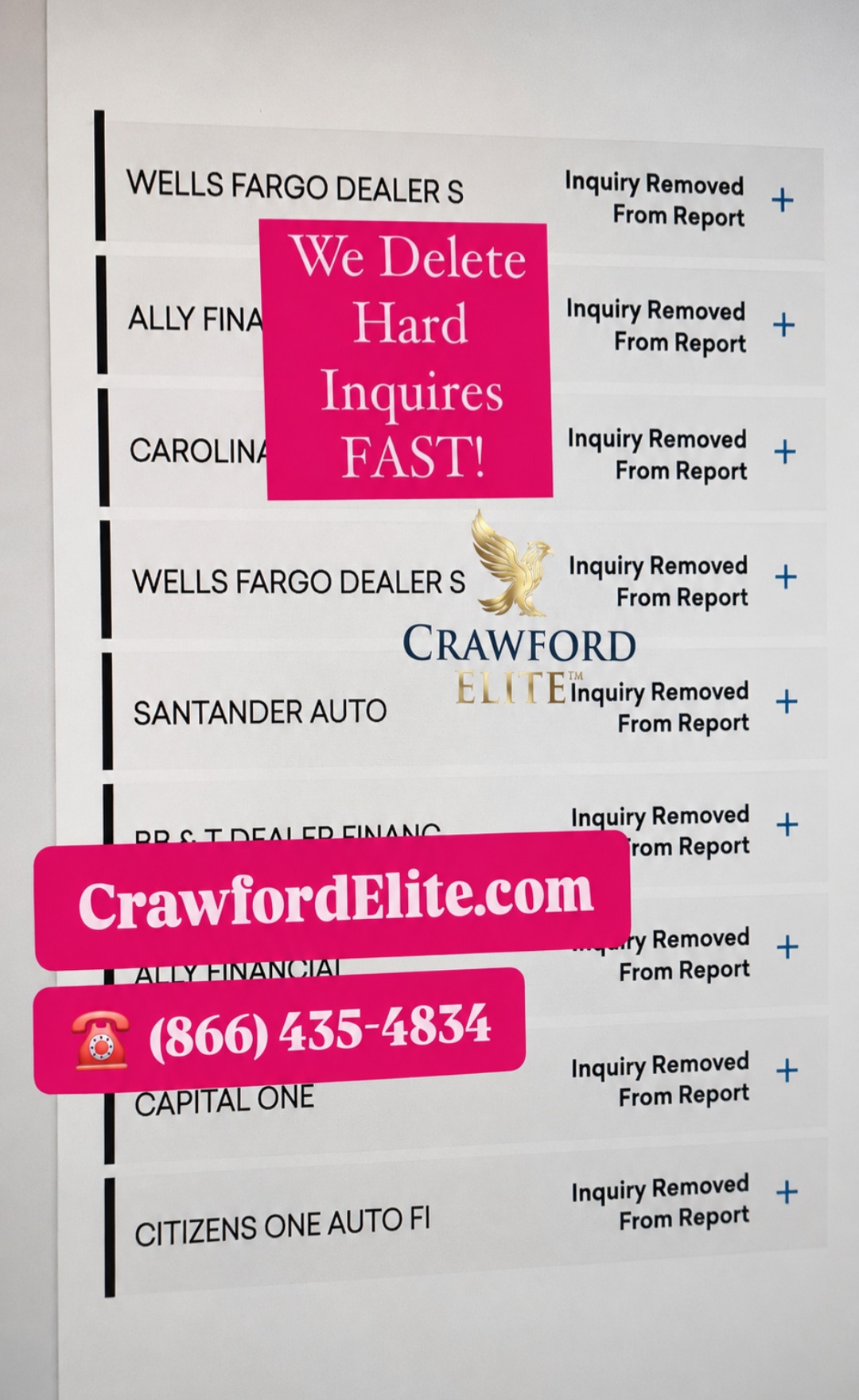
Hard Inquiries Deleted
9 Hard Inquiries Removed
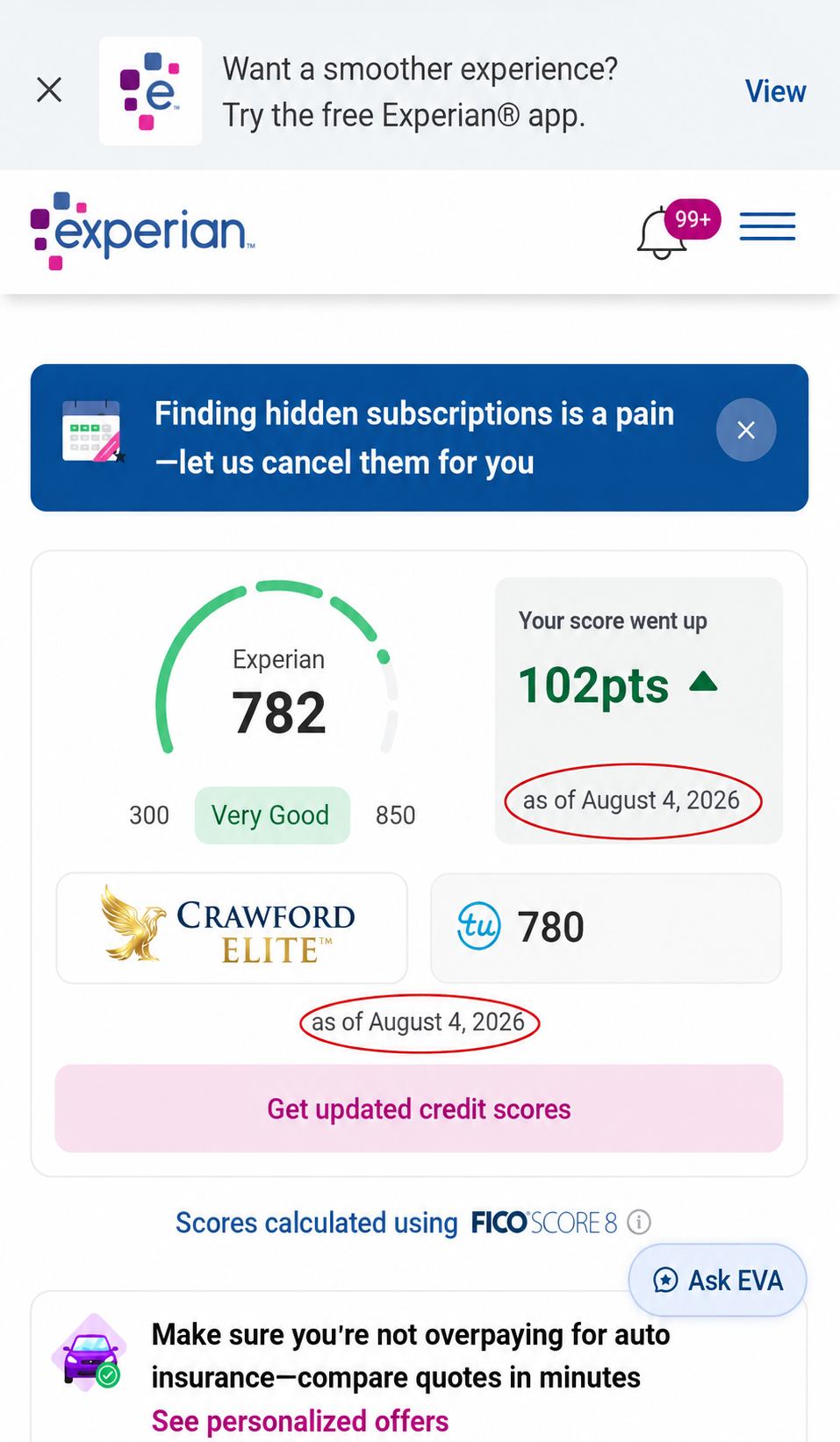
+160 Points
Credit Score Boost Increase
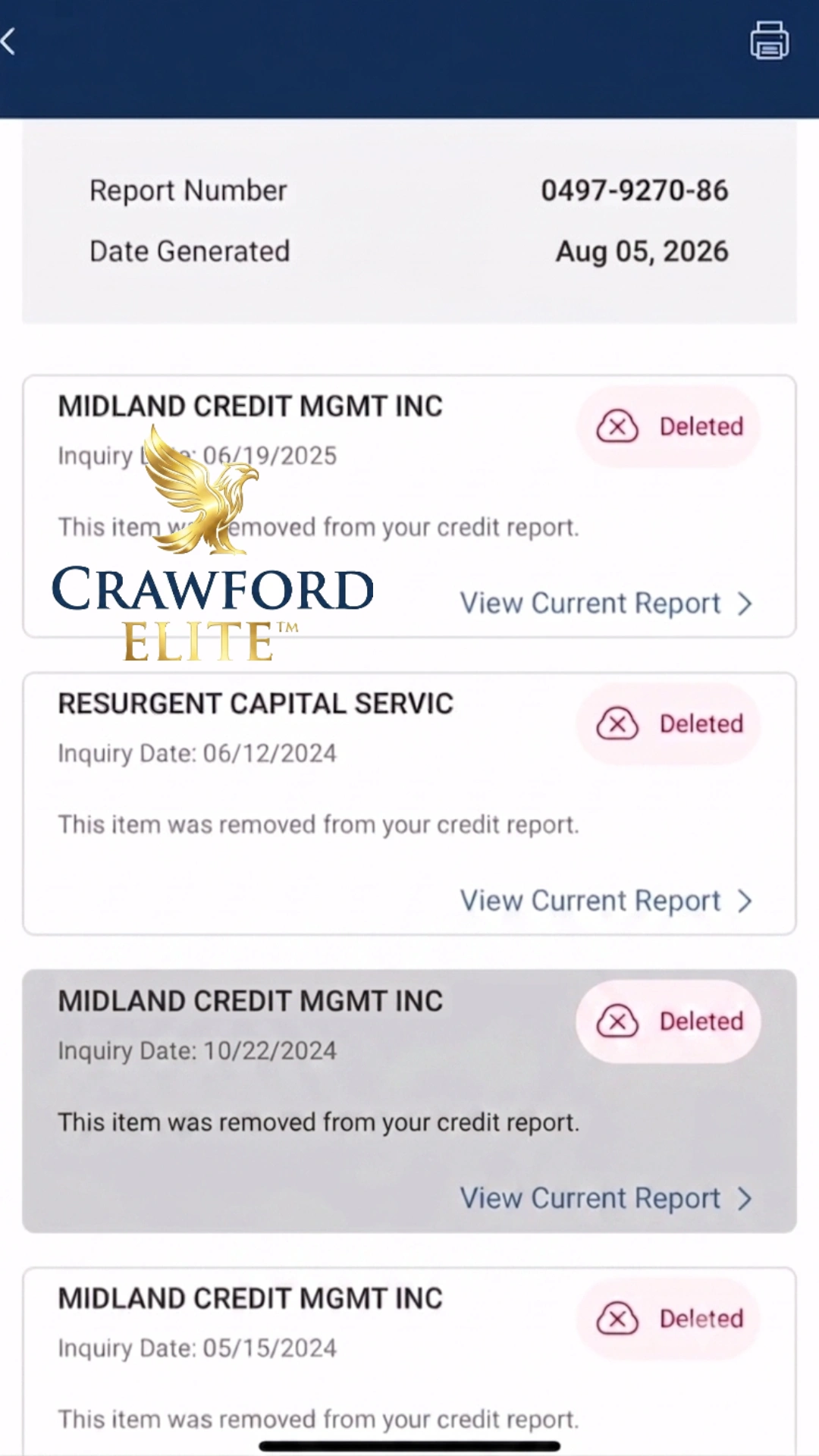
Aggressive Credit Repai
4 Collections Deleted Quickly
Do Shelf Corporations Still Get Funding in 2026 is one of the fastest levers an owner can pull to unlock corporate capital. Here is exactly how Crawford Elite approaches it with our clients.
Why This Matters
Handling do shelf corporations still get funding in 2026 correctly is rarely about luck. Lenders and credit issuers run the same checks in the same order, and the businesses that get funded are simply the ones that pass those checks before applying.
At Crawford Elite we build client files in a specific sequence — entity and compliance first, then reporting tradelines, then the approvals. Skipping steps is the single most common reason an owner gets declined with a strong profile.
What Lenders Are Actually Checking
Every underwriter, whether it is a store card issuer or a private lender writing a six-figure line, is answering three questions: is this entity real and verifiable, does it have a payment history someone else already trusted, and can the owner or the revenue support the exposure.
That means a matching EIN, a listed business phone, a real business address, a business bank account with consistent deposits, and reporting tradelines on Dun & Bradstreet, Experian Business, and Equifax Business. When those boxes are checked, approvals stop feeling random.
The Crawford Elite Approach
Our clients run the five-tier path: vendor credit, store credit with issuers like Home Depot, Target, Walmart, Best Buy, Macy's, Saks Fifth, Chevron, Delta and Marriott, then business credit cards, then business cash funding, and finally lines of credit.
The Installment Package builds toward a $200,000 minimum in business credit, fully funded in three to four months, with $3,000 down and $500 biweekly payments toward the $7,000 total. The Platinum Package builds toward a $300,000 minimum in business credit, fully funded in one to two months, with a single $6,500 payment. Neither package includes a shelf corporation — those are purchased separately from our private inventory.
Common Mistakes to Avoid
Applying too early, applying too often, using a residential address on filings, mismatched business names across the Secretary of State, IRS, and bank records, and letting personal derogatories sit unaddressed are the five mistakes that stall the most files.
Fix the profile before the applications go out. Denials leave inquiry footprints that make the next round harder, and rebuilding that momentum costs weeks.
Next Steps
If you want this handled for you, our team audits your entity, your personal profile, and your current reporting, then maps the exact approval order for your business. Most clients start seeing tradelines report within the first 30 days.
Sources & Further Reading
Every claim on this page can be checked against these federal agencies, regulators, credit bureaus, universities, research bodies, banks, and national business publications.
- SBA — Certify: Federal Contracting Programs8(a), HUBZone, and WOSB certification portals.
- Meta for BusinessPaid and organic reach tools for local businesses.
- IRS — Estimated TaxesQuarterly payment rules that protect cash flow planning.
- Equifax — Free Credit FreezeFreeze and thaw controls before an application round.
- LawHelp.org — Free Legal Aid by StateState-specific legal aid for debt and credit issues.
- FinCEN — Beneficial Ownership Information ReportingFederal ownership-reporting requirements after a transfer of control.
- MBDA — Minority Business Development AgencyFederal capital access and contracting support programs.
- FDIC — Deposit Insurance for Business AccountsHow coverage applies to corporate and LLC accounts.
- Bureau of Economic AnalysisGDP and industry data for market and demand analysis.
- MIT OpenCourseWare — EntrepreneurshipUniversity-level coursework, free and citable.
- Investopedia — Business CreditNeutral reference definitions for credit terminology.
- U.S. Chamber of CommerceNational business advocacy and research.
- Creditsafe — Business Credit ReportsAn additional commercial bureau many suppliers pull before extending terms.
- Federal Reserve — Consumer Credit (G.19)National revolving credit balances and average rates.
- Marriott Bonvoy BusinessHospitality card products for business travel spend.
- Federal Trade Commission — Business GuidanceAdvertising, credit, and privacy rules that apply to businesses.
- USPTO — Trademark BasicsProtect the name your credit file is built on.
- LinkedIn for Small BusinessB2B visibility that supports business verification too.
- IRS — Business Expenses (Publication 535)What is deductible, including interest on business credit.
- NFCC — Nonprofit Credit CounselingNonprofit counseling network for budgeting and debt management plans.
- U.S. Courts — Find a Federal CourtWhere FCRA and FDCPA claims are filed.
- Cornell LII — Corporations (Wex)Neutral legal reference on corporate formation and governance.
- SBA — Lender MatchFederal tool for finding SBA-approved lenders in your state.
- NCUA — Share Insurance EstimatorCoverage checks for credit union business deposits.
Verify Your Entity in Your Own State
We serve business owners nationwide. Look up filings, name availability, and good-standing status with your state's official business filing office.
- Alabama
- Alaska
- Arizona
- Arkansas
- California
- Colorado
- Connecticut
- Delaware
- District of Columbia
- Florida
- Georgia
- Hawaii
- Idaho
- Illinois
- Indiana
- Iowa
- Kansas
- Kentucky
- Louisiana
- Maine
- Maryland
- Massachusetts
- Michigan
- Minnesota
- Mississippi
- Missouri
- Montana
- Nebraska
- Nevada
- New Hampshire
- New Jersey
- New Mexico
- New York
- North Carolina
- North Dakota
- Ohio
- Oklahoma
- Oregon
- Pennsylvania
- Rhode Island
- South Carolina
- South Dakota
- Tennessee
- Texas
- Utah
- Vermont
- Virginia
- Washington
- West Virginia
- Wisconsin
- Wyoming
More Trusted Reading
Additional national resources for owners building credit, capital, and compliance in any state.
- IRS — Small Business Tax CenterFederal tax obligations for corporations and LLCs.
- Wharton — Knowledge at WhartonFinance and management research written for practitioners.
- Inc. — FinanceReporting on how founders fund and scale.
- U.S. Census Bureau — Business DataNational economic and small business statistics.
- Truist — Small BusinessRegional bank offerings for business borrowers.
- LawHelp.org — Free Legal Aid by StateState-specific legal aid for debt and credit issues.
- IRS — Business Expenses (Publication 535)What is deductible, including interest on business credit.
- DOL — Hiring ComplianceFederal rules for your first employees.
- Meta for BusinessPaid and organic reach tools for local businesses.
- SAM.gov — Federal Entity RegistrationRegister your entity for federal contracting; also validates business identity data.
- FTC — Fair Debt Collection Practices ActYour rights when a collection agency reports or contacts you.
- USPTO — Trademark SearchConfirm the entity name is not colliding with a registered mark.
- FRED — Commercial and Industrial Loans DataSt. Louis Fed data on business lending volume over time.
- Navy Federal — Business SolutionsBusiness cards and lines for eligible members.
- Amazon BusinessBusiness purchasing account with net-term options.
- Federal Reserve BoardMonetary policy and bank supervision affecting credit availability.